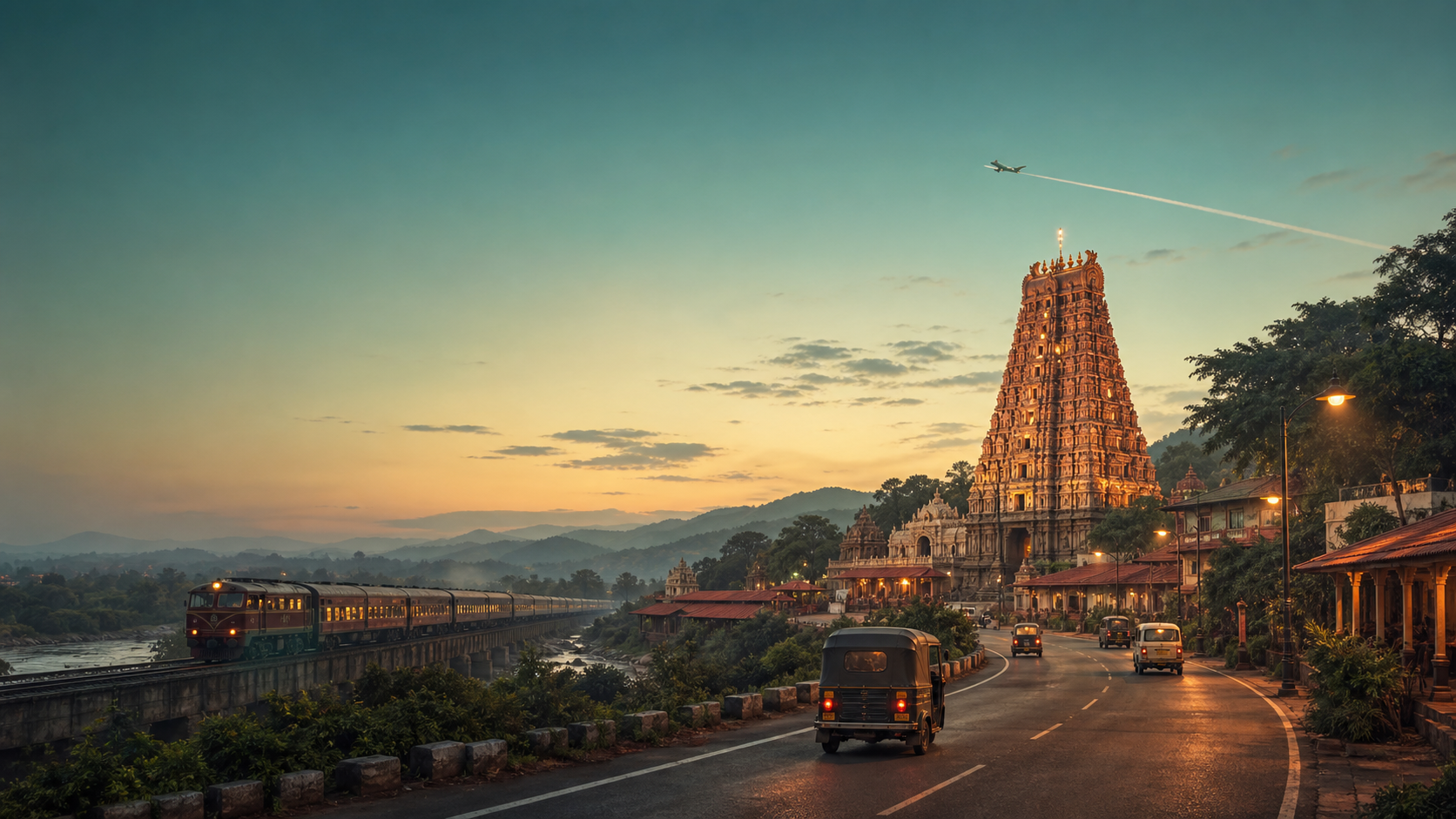
A complete pilgrim record drawn from the existing published article data.
Historical Foundation
Pallava Origins and Early Patronage
"The Neelivaneswarar Temple stands as a monumental bridge between the Pallava origins and the grand Chola expansions, reflecting centuries of continuous devotion and architectural evolution."
Chola Grandeur and Imperial Endowments
Key Historical Milestones
Architecture & Craftsmanship
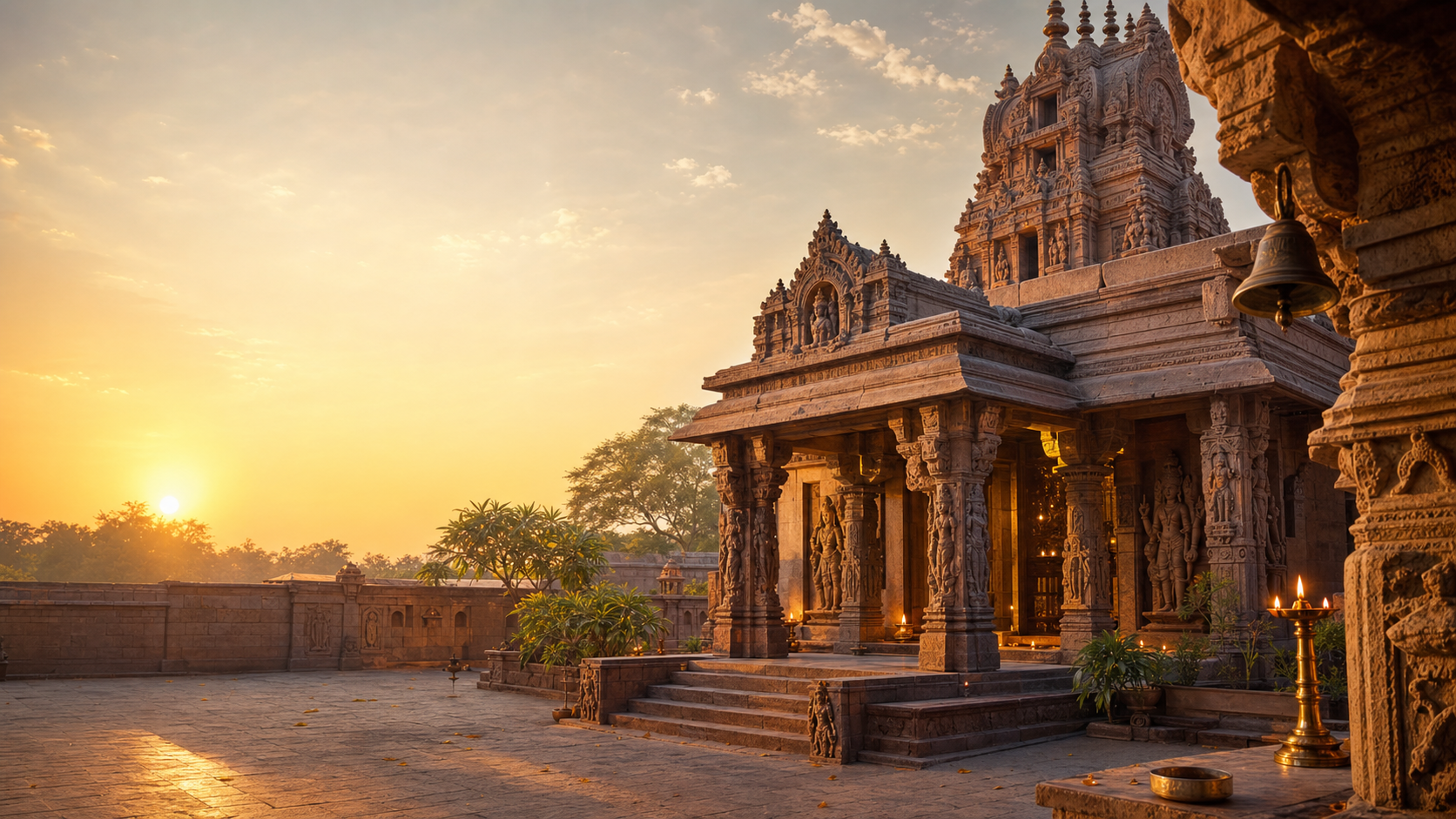
Dravidian Splendor and Structural Elements

Sculptural Highlights and Unique Features
- A statue of Suthamahamunivar graces the outer precincts, commemorating the sage who attained moksha here.
- The Nandi statue, ever vigilant before the main shrine, is particularly notable for the Navagraha lamp holes carved into the floor in front of it, where devotees light lamps as an alternative to a separate Navagraha shrine.
- Depictions of various deities and mythological figures abound, including Indiran, Kamadhenu, Adiseshan, Vayu Bhaghvan, Agni Bhaghwan, Rama piran, and Arujunan.
- Sages like Vasista and the Sapta Rishis are intricately carved, reflecting their importance in Hindu mythology.
- Figures of historical and legendary kings such as Musukunda Chola and Kaliyugarama Pandiyan, alongside mythical beings like Viyakirasuran, Sivamithiran, Padumakarpan, Sutharman, and Ankamithiran, adorn the temple walls, offering glimpses into ancient narratives and patronage.
- The temple also features guardian deities like Chinnandavar and Periyandavar, rural protectors whose presence speaks to local folk traditions integrated within the grand temple complex.
Over 1000 years of architectural evolution represented in the temple's Pallava-Chola transitional style, built primarily with resilient granite.
The Presiding Deity
Neelivaneswarar: The Self-Manifested Lord
- Kathali Vasanthar: Referring to the abundance of plantains (kathali) in the region, connecting to the unique plantain tree worship.
- Paramasambu: The Supreme Shambu, emphasizing his primordial nature.
- Aaraniya Vallaver: Lord of the Forest, linking him to the natural surroundings of Thiruppaingneeli.
- Eluthariya Peruman: The Lord who is beyond description or comprehension, signifying his infinite and formless aspect.
Lord Neelivaneswarar (Shiva)
Form: Suyambu Linga (Self-manifested)
Primary Names: Neelivaneswarar, Kathali Vasanthar, Paramasambu, Aaraniya Vallaver, Eluthariya Peruman
Consort: Vishalakshi Neelnedunkanni Amman
Unique Aspects: No separate Navagraha shrine; steps to the main shrine are worshipped as Navagrahas. Co-existence with a Vishnu shrine (Senthamaraikannan).
Vishalakshi Neelnedunkanni Amman and Other Deities
"The Suyambu Linga of Neelivaneswarar embodies the eternal, uncreated divine, while the presence of both Shiva and Vishnu within the same complex highlights the spiritual harmony prevalent in ancient Tamil traditions."
Beyond the primary deities, the temple complex houses a pantheon of secondary deities and revered figures, reflecting a comprehensive spiritual landscape. These include:
- Mythological figures such as Indiran, Kamadhenu, Adiseshan, Vayu Bhaghvan, and Agni Bhaghwan.
- Epic characters like Rama piran and Arujunan.
- Sages and holy men including Vasista, Sudhamamunivar, and the Sapta Rishis.
- Historical or legendary kings like Musukunda Chola and Kaliyugarama Pandiyan.
- Other divine and semi-divine beings such as Viyakirasuran, Sivamithiran, Padumakarpan, Sutharman, and Ankamithiran.
- Rural guardian deities, Chinnandavar and Periyandavar, signifying the temple's connection to local folklore and protection.
- Additionally, separate Sannidhis (sub-shrines) for Kasi Viswanathar and Sorudiya Eswarar further enrich the spiritual environment, each with its own associated legends.
Festivals & Living Traditions
Major Annual Celebrations
The temple pulsates with spiritual energy during its major festivals, which are observed with immense devotion and elaborate ceremonies:
- Margazhi Festival: Celebrated during the Tamil month of Margazhi (December–January), this month-long observance is particularly auspicious for Shiva temples. It features special pujas, devotional singing, and processions, creating an atmosphere of deep spiritual contemplation and community bonding. The air resonates with devotional hymns, especially those from the Tevaram tradition.
- Thaipusam: Occurring in the month of Thai (January–February), Thaipusam is another significant festival marked by intense devotion, offerings, and special rituals dedicated to Lord Shiva and his son, Lord Murugan. Devotees often undertake vows and perform elaborate penances during this time.
- Arudra Darshan: Also falling within the Margazhi month, Arudra Darshan is a spectacular event celebrating Lord Shiva's cosmic dance (Ananda Tandava). Special darshan (viewing) of the Suyambu linga is offered, and elaborate ceremonies are performed to honor this divine manifestation, drawing large crowds seeking blessings.

The Unique Plantain Tree Worship
- Seeking Marital Blessings: Devotees, particularly on auspicious days like Sundays and Fridays, perform special poojas and rituals dedicated to the plantain tree, believing it facilitates the fulfillment of their prayers for marriage.
- Interfaith Participation: Remarkably, this unique ritual transcends religious boundaries. Christians and Muslims are also known to participate in the plantain tree worship, seeking blessings for marriage and other boons, highlighting the temple's role as a site of interfaith harmony and shared spiritual aspirations.
- Documented Success: The temple proudly preserves hundreds of wedding invitations from individuals whose marriages were solemnized after they performed these special plantain tree poojas. These tangible records serve as compelling evidence of the miracle-working power attributed to this unique tradition, making it a source of hope and faith for many.
Daily Rituals and Enduring Endowments
Plan Your Visit
Visiting the Neelivaneswarar Temple offers a profound spiritual and cultural experience. To make your pilgrimage comfortable and rewarding, here’s what you need to know:
Location and Accessibility
- Nearest City: Tiruchirappalli
- Nearest Airport: Tiruchirappalli International Airport (TRZ), approximately 20 km away.
- Nearest Railway: Tiruchirappalli Junction Railway Station, also about 20 km away, offers excellent rail connectivity.
Best Time to Visit and Duration
The temple is best visited during the cooler months to avoid the intense South Indian summer heat:
- Best Season: October to March.
- Auspicious Times: Particularly auspicious during the Tamil months of Margazhi (December–January) and Thai (January–February), when major festivals like Margazhi festival, Arudra Darshan, and Thaipusam are celebrated.
- Suggested Duration: Allocate 2–3 hours to explore the temple complex thoroughly, participate in rituals, and appreciate its architectural nuances and spiritual ambiance.
Visit Rules and Nearby Attractions
Adherence to local customs and traditions is highly recommended for a respectful visit:
- Dress Code: As with most South Indian temples, modest attire is expected. It is advisable for men to wear traditional dhotis or trousers, and women to wear sarees or salwar kameez.
- Photography: While photography of the exterior and general complex might be permitted, it is likely restricted inside the sanctum sanctorum and certain shrine areas. Always inquire or look for signage.
- Rockfort Temple (Thiruchirappalli)
- Srirangam Ranganathaswamy Temple
- Jambukeswarar Temple (Thiruvanaikaval)
- Thirukoilur Temples
Related temples: Aakkoor Thanthondreeswarar Temple | Abhaya Varadeeswarar Temple, Adirampattinam
Sacred Stories & Mythology
The Legend of Thenkailasam
The Celestial Conflict and the Birth of Thenkailasam
Long ago, Vayu Bhaghvan and Adiseshan engaged in a fierce dispute over who was superior. To prove his might, Adiseshan coiled himself around Mount Kailasam, holding it captive. Vayu, in a display of his formidable power, unleashed a devastating cyclone known as 'santamarutham' to loosen Adiseshan's grip. The violent cosmic tempest caused eight peaks of Kailasam to break away and scatter across the land. One of these sacred peaks landed at Suwethagiri, now known as Thiruppaingneeli. Thus, this revered spot became consecrated as Thenkailasam, a direct fragment of Shiva's divine mountain, imbuing it with unparalleled spiritual energy and making it a powerful pilgrimage site for devotees seeking the blessings of Lord Shiva.
Sages, Rebirth, and Divine Guidance
The temple's mythology extends to tales of spiritual accomplishment and divine intervention:
- Moksha of Soothamamunivar: The temple is the sacred ground where the revered sage Soothamamunivar performed prolonged and arduous tapas (penance) for many years. It is believed that through his unwavering devotion and spiritual discipline, he attained Moksha (liberation from the cycle of birth and death) at this very site. A statue of Suthamahamunivar in the outer precincts commemorates this significant spiritual event.
- Yama's Rebirth: The Sorudiya Eswarar Sannidhi within the complex is associated with a unique legend concerning Yama, the God of Death. Lore suggests that Yama experienced a rebirth or significant transformation here, adding another layer of mystical significance to the temple's various shrines.
- Appar's Divine Guidance: The great Nayanmar saint Appar, a prominent figure in the Shaiva Bhakti movement, is said to have been divinely guided to this temple. This legend solidifies the temple's status as a Paadal Petra Sthalam, a site glorified by the hymns of the Tamil saint-poets. His visit highlights the temple's ancient spiritual magnetic pull.

Saints, Poets & Devotees
Appar and the Tevaram Tradition
What is a Paadal Petra Sthalam?
A Paadal Petra Sthalam is one of the 275 Shiva temples in Tamil Nadu and Kerala that are revered in the Tamil canonical works of Tevaram, sung by the Nayanmars (Shaivite saints) between the 6th and 9th centuries CE. These temples are considered exceptionally sacred due to the direct devotional experiences of these great saints.
Soothamamunivar: The Sage of Liberation
Historical Devotees and Patrons
- Musukunda Chola: A legendary Chola king, often associated with spiritual valor and temple construction.
- Kaliyugarama Pandiyan: A king whose devotion contributed to the temple's upkeep and reverence.
- Viyakirasuran, Sivamithiran, Padumakarpan, Sutharman, Ankamithiran: These figures, whether mythological or historical, are immortalized in stone, indicating their significant roles or legendary association with the temple and its narratives.
Records, Marvels & Heritage
A Paadal Petra Sthalam and Architectural Distinction
- Rathina Sabha: Like the celebrated temple in Chidambaram, Neelivaneswarar Temple possesses a Rathina Sabha. This 'Hall of Jewels' signifies its importance as a center for divine dance and spiritual performance, reflecting the high artistic and religious patronage it received.
- Incomplete Rajagopuram: The imposing 30 ft tall rajagopuram at the entrance remains incomplete, a silent testament to possibly interrupted construction or evolving architectural plans over centuries.
- ASI National Monument: Recognized for its historical and architectural value, the Neelivaneswarar Temple is designated an ASI National Monument, ensuring its preservation and protection for future generations.
Unique Iconography and Engineering Marvels
The temple stands out for its unique iconographic and engineering features:
- Navagraha Steps: In an unparalleled arrangement, the steps leading to the main shrine are identified and worshipped as the Navagrahas (nine planetary deities). This ingeniously eliminates the need for a separate Navagraha shrine, a common feature in most South Indian temples, making the very approach to the deity a devotional act of planetary appeasement.
- Nandhi Lamp Holes: In front of the Nandi statue, stone cavern hole lamps are lit on the floor, serving as a unique spot for devotees to offer prayers to the Navagrahas.
- Suyambu Linga: The presiding deity, Lord Neelivaneswarar, is a Suyambu linga (self-manifested form of Shiva), adding immense spiritual potency and ancient mystique to the shrine.
"From its unique Navagraha steps to the interfaith worship of the plantain tree, Neelivaneswarar Temple offers an unparalleled glimpse into ancient Indian ingenuity and spiritual inclusivity."
One-of-a-Kind Interfaith Worship

🗺 How to Reach
Hover a card to animate the journey on the map
Route to Tiruchirappalli
Common Questions
Where is Neelivaneswarar Temple: Ancient Wonders & Unique Rituals located?
Neelivaneswarar Temple: Ancient Wonders & Unique Rituals is documented at Tiruchirappalli, Tamil Nadu.
Which deity is associated with Neelivaneswarar Temple: Ancient Wonders & Unique Rituals?
Neelivaneswarar Temple: Ancient Wonders & Unique Rituals is associated with Neelnedunkanni.
Related Temples


A Living Covenant