A complete pilgrim record drawn from the existing published article data.
Tracing the Legacy: History of Neelamegha Perumal Temple
The history of the Neelamegha Perumal Temple is shrouded in ancient reverence, though specific records regarding its initial construction and founding dynasty remain largely unknown. Despite this, its status as a Divya Desam attests to its profound antiquity, suggesting origins that predate many documented structures. Over centuries, the temple likely witnessed various phases of patronage and renovation by local rulers and devotees, contributing to its enduring presence. Its continuous worship traditions highlight a legacy passed down through generations.
Ancient Origins
While precise dates are unknown, the temple's mention in ancient Vaishnavite hymns confirms its existence for many centuries, linking it to a deep historical past.
Enduring Patronage
Though specific builders are not recorded, the temple's preservation and development over time point to continuous support from various unnamed dynasties and local communities.
Architectural Marvels of Neelamegha Perumal Temple
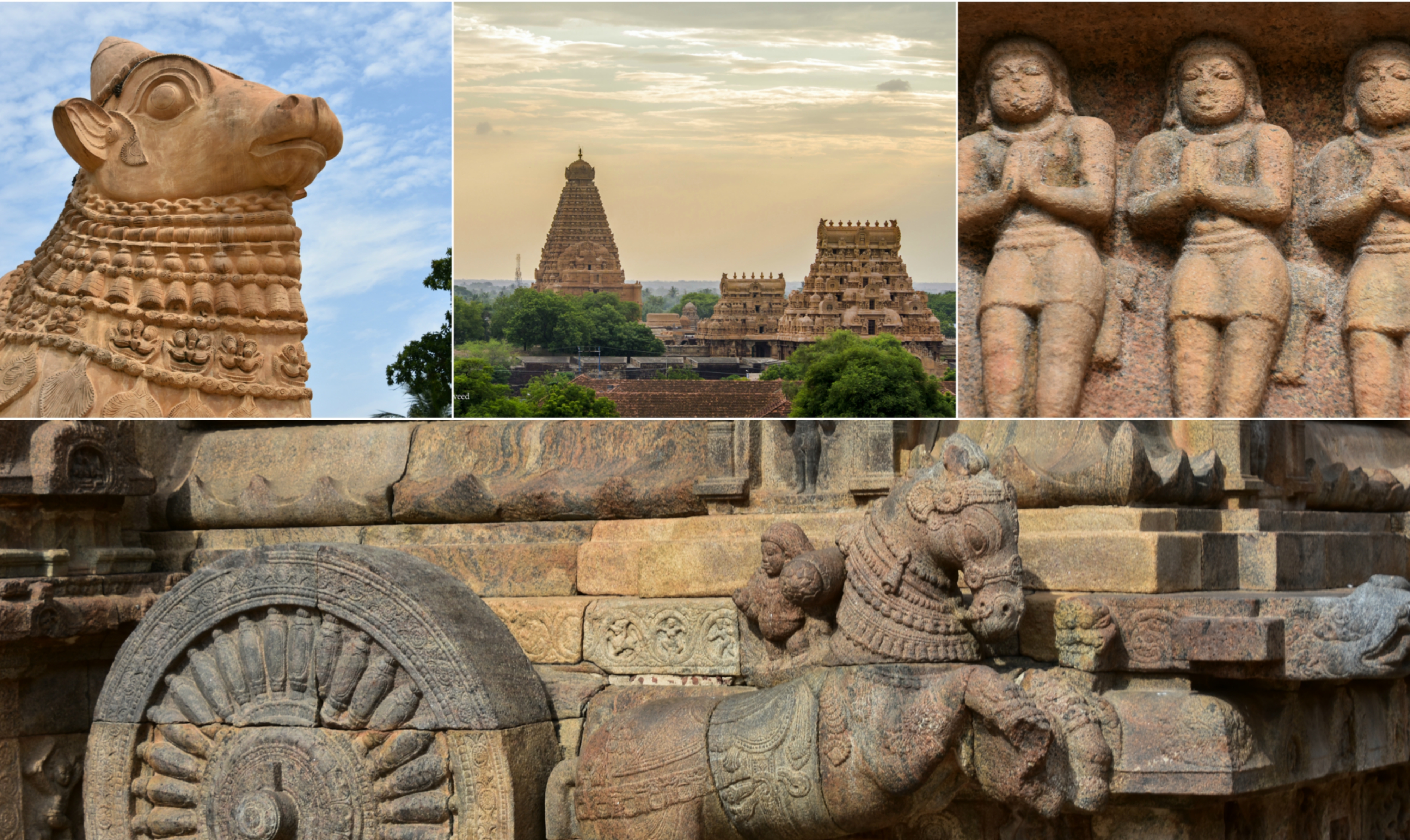
The Neelamegha Perumal Temple showcases a distinctive Dravidian architectural style, characterized by its towering gopurams and intricately carved pillars. While specific details about its material and builder are unknown, the temple's design reflects the classical South Indian temple building traditions. Visitors can observe elaborate sculptures depicting mythological narratives and deities, adorning the walls and sanctum. The layout typically includes multiple mandapams leading to the main shrine, creating a sacred path for devotees. Its craftsmanship speaks volumes about the artisans of its era.
Dravidian Style
The temple exemplifies the traditional Dravidian architectural idiom, featuring multi-tiered gopurams and a structured layout common in Tamil Nadu.
Intricate Carvings
Detailed sculptures and bas-reliefs depicting episodes from Hindu mythology adorn the temple's various sections, showcasing masterful artistry.
Temple Layout
The complex typically comprises a central shrine, various mandapams, and circumambulatory paths, designed for ritualistic worship and congregation.
Neelamegha Perumal: The Azure Lord and His Legends
The central deity of the temple is Lord Vishnu, revered here as Neelamegha Perumal, literally meaning "Lord of the Blue Cloud." This form of Vishnu is often associated with his cosmic blue complexion, symbolizing his infinite and all-pervading nature. Numerous myths and legends surround Neelamegha Perumal, highlighting his divine interventions and benevolent acts. Devotees believe that worshipping this form of Vishnu brings spiritual solace and liberation. The temple serves as a focal point for the Bhagavata tradition, where the deity is worshipped with profound devotion and elaborate rituals, embodying divine grace.
The Azure Form
Neelamegha Perumal represents Lord Vishnu with a blue complexion, signifying his vastness and cosmic presence, inspiring deep reverence.
Spiritual Significance
The deity is believed to bestow blessings, grant wishes, and offer spiritual liberation to sincere devotees, making the temple a powerful spiritual center.
Associated Legends
Although specific legends are not detailed in the prompt, the presence of a unique form of Vishnu implies a rich tapestry of local myths and stories.
Planning Your Pilgrimage: A Guide to Neelamegha Perumal Temple
For pilgrims planning a visit to Neelamegha Perumal Temple, essential information ensures a smooth and enriching experience. The temple welcomes visitors daily from 6:00 AM to 12:30 PM and again from 4:00 PM to 9:00 PM, with free entry. The best time to visit is between October and March, offering pleasant weather. Traditional attire is preferred, and removing footwear before entering is customary. A typical visit duration is 1–2 hours. The temple is accessible via Nagapattinam, which is well-connected by bus and train.
Temple Timings and Entry
The temple is open from 6:00 AM to 12:30 PM and 4:00 PM to 9:00 PM daily. Entry is free for all visitors.
Best Time and Etiquette
The ideal period to visit is October to March. Visitors are encouraged to wear traditional attire and remove footwear before entering the sacred premises.
Transportation
Nagapattinam Bus Stand (25 km) and Nagapattinam Junction (25 km) offer convenient access. Tiruchirappalli International Airport (145 km) is the nearest airport.
| Deity | the Hindu god Vishnu |
|---|
Temple Legend
No specific mythological story or legend associated with the Neelamegha Perumal temple was provided in the available information. Many ancient temples have rich narratives detailing their origin or divine manifestations, but details for this particular shrine are not specified here.
In the heart of Tamil Nadu, devotion to Vishnu finds its abode, a timeless testament to faith and spiritual solace.
Experience the divine presence and ancient traditions that echo through the sacred halls of this revered temple.
Related temples: Aakkoor Thanthondreeswarar Temple | Abhaya Varadeeswarar Temple, Adirampattinam
Discovering Neelamegha Perumal Temple: A Divine Abode
The Neelamegha Perumal Temple, nestled in Thirukannapuram, Tamil Nadu, stands as a significant Vaishnavite shrine dedicated to the Hindu god Vishnu. This revered site is one of the 108 Divya Desams, sanctified by the Alvars, making it a pivotal destination for devotees and a beacon of devotion. Its tranquil atmosphere and spiritual aura draw pilgrims seeking divine blessings and connection. The temple embodies the rich devotional heritage of South India, reflecting centuries of faith and tradition in its very fabric, offering a profound experience for all visitors.
Location and Significance
Situated in Tamil Nadu, this temple holds immense spiritual importance as a prominent Vaishnavite pilgrimage site, attracting devotees from across the region.
Vaishnavite Heritage
As a Divya Desam, it is celebrated in the Nalayira Divya Prabandham, the early medieval collection of Tamil hymns, underscoring its deep roots in Vaishnavism.
Restoration and Conservation Efforts
The Neelamegha Perumal temple, like many ancient architectural marvels across Tamil Nadu, has faced the relentless march of time, natural elements, and, at various points in history, human intervention that sometimes necessitated later corrective measures. Over centuries, intricate carvings have weathered, structural elements have weakened, and the vibrant hues of its murals have faded. Early conservation efforts were often localized and reactive, focusing on immediate repairs rather than comprehensive preservation strategies. Historical records and local accounts suggest periods where parts of the temple complex fell into disrepair, requiring significant community or royal patronage to restore its sanctity and structural integrity. These initial phases laid the groundwork for more systematic approaches to safeguarding its unique heritage, acknowledging the temple's profound historical and artistic value.
In recent decades, the Archaeological Survey of India (ASI) and various temple trusts, alongside local heritage organizations, have undertaken more structured restoration and conservation projects at Neelamegha Perumal. These initiatives often involve meticulous documentation of the existing structure, scientific analysis of materials, and the application of traditional building techniques combined with modern conservation science. Challenges include sourcing authentic materials, training skilled artisans in ancient methods, and managing the delicate balance between structural reinforcement and maintaining aesthetic authenticity. Efforts have focused on preserving the intricate stucco work, stabilizing the gopurams, and protecting the inner sanctum from environmental degradation, ensuring that future generations can experience the temple's spiritual and architectural grandeur.
🗺 How to Reach
Hover a card to animate the journey on the map
Verified routes to Neelamegha Perumal temple
Common Questions
Where is Neelamegha Perumal: Ancient Divya Desam of Vishnu located?
Neelamegha Perumal: Ancient Divya Desam of Vishnu is documented at Thanjavur, Tamil Nadu.
Which deity is associated with Neelamegha Perumal: Ancient Divya Desam of Vishnu?
Neelamegha Perumal: Ancient Divya Desam of Vishnu is associated with Vishnu.