A complete pilgrim record drawn from the existing published article data.
Tracing the Ancient Roots: A Journey Through Time
The precise origins of the Neelakandeswarar Temple are shrouded in the mists of time, with its primary construction details, such as the builder and specific dynasty, remaining unrecorded. However, the architectural style and the presence of numerous ancient inscriptions in the region suggest a heritage spanning many centuries. It is widely believed to have been an active place of worship for a very long time, undergoing renovations and expansions by various local chieftains and rulers over different historical periods, contributing to its enduring legacy.
Early Foundations
While definitive records are scarce, the temple's structure and layout indicate an establishment during an early period of Dravidian temple architecture, predating many later, more elaborately documented structures.
Dynastic Influences
Though no single dynasty is credited, the temple likely received patronage from various ruling powers in the Tamil country, including the Cholas, who were prolific temple builders and patrons of Shaivism.
Historical Continuity
Despite the lack of specific builder information, the temple has maintained its religious significance and architectural integrity through centuries, signifying continuous worship and community support.
Architectural Marvels and Dravidian Splendor
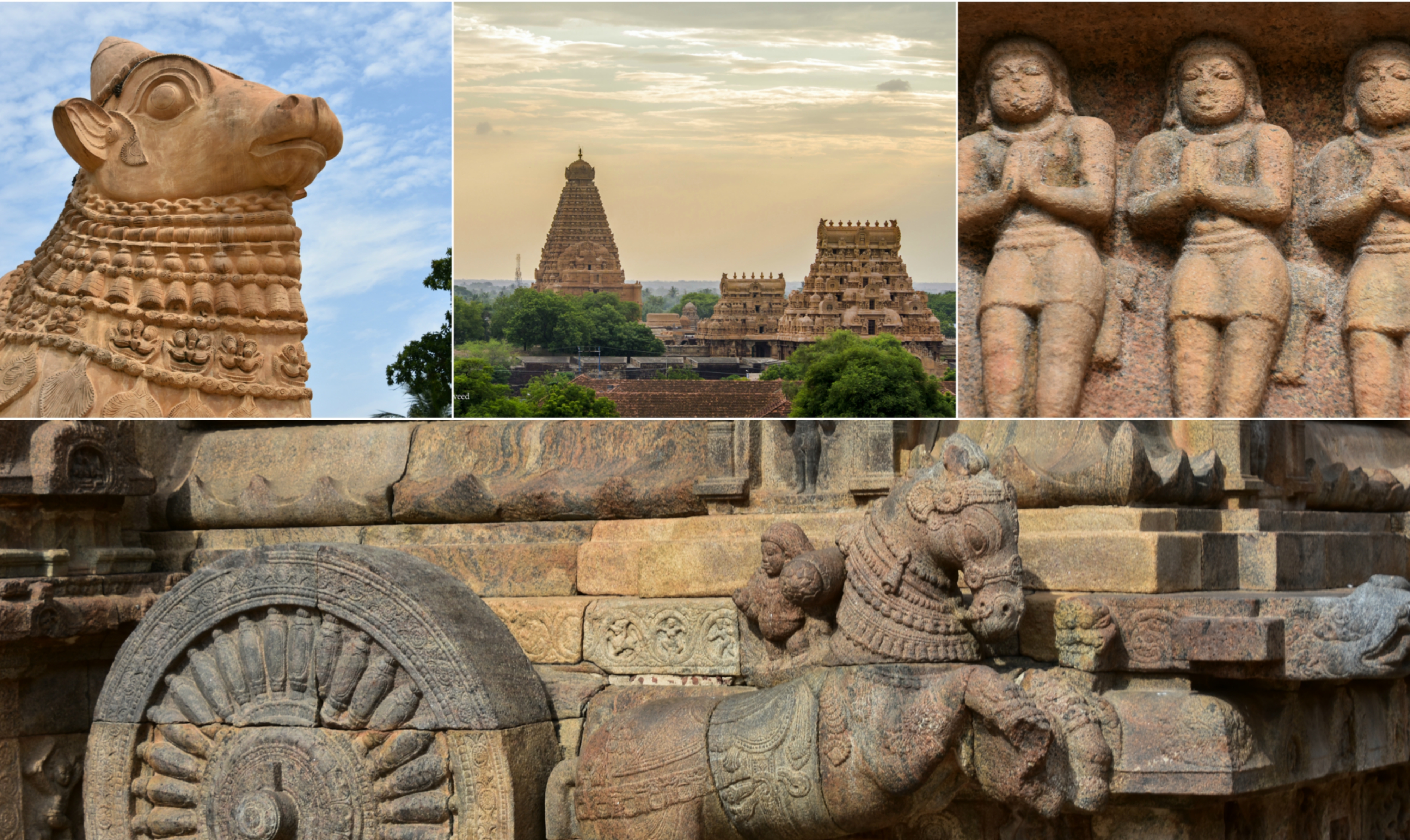
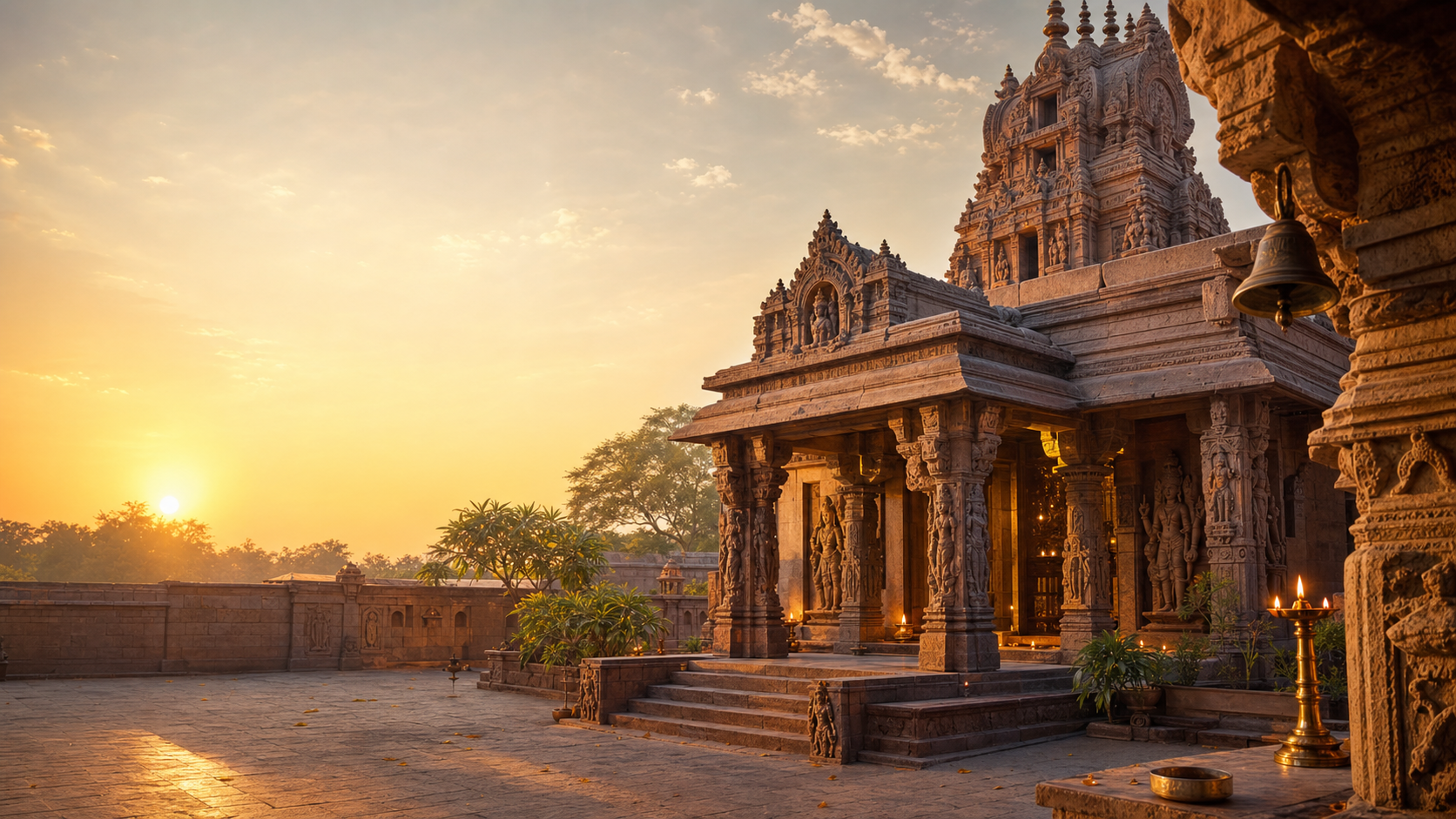
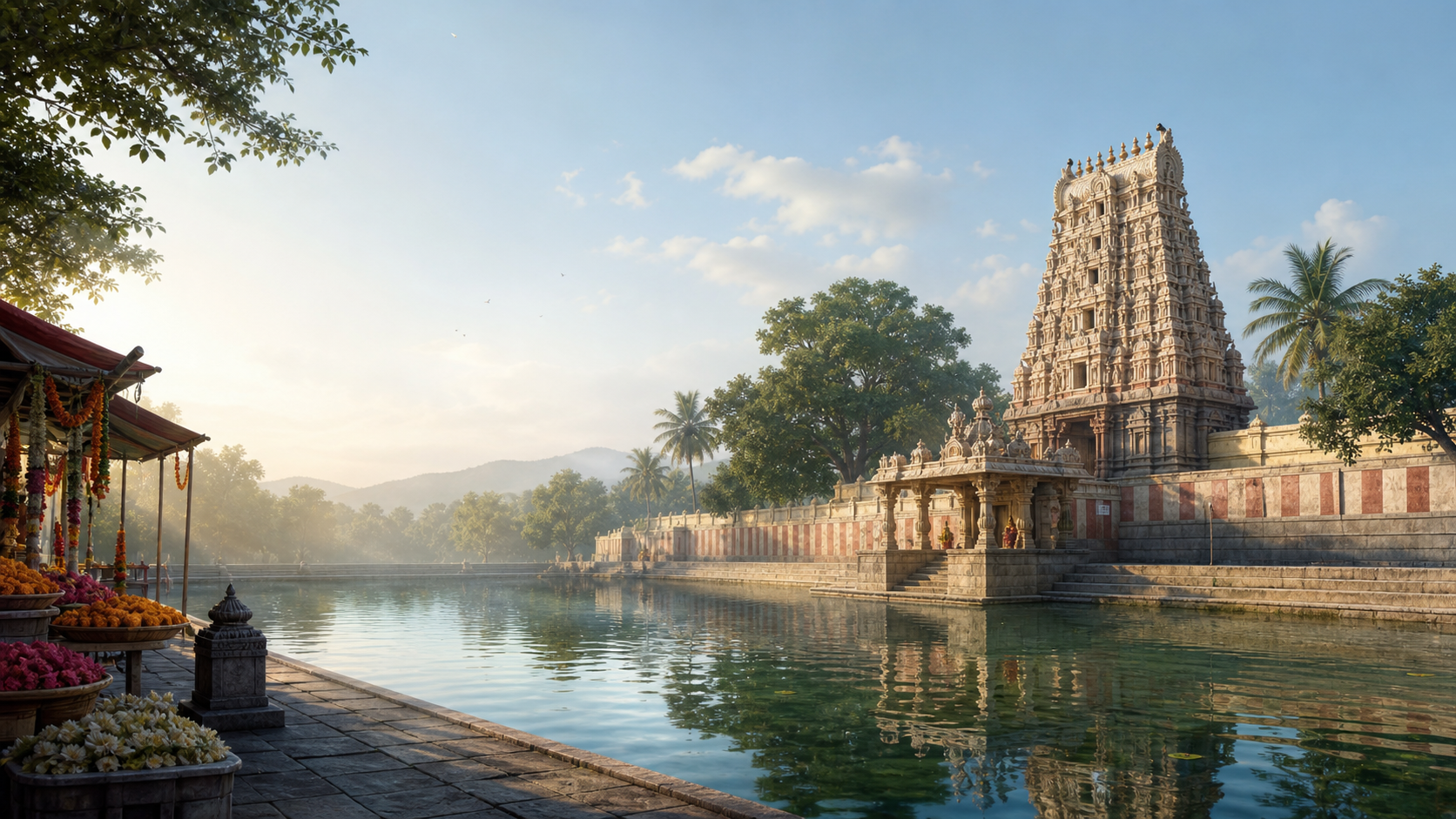
The Neelakandeswarar Temple exemplifies the classic Dravidian architectural style, characterized by its towering gopuram (entrance tower), intricate carvings, and robust stone construction. The temple complex is typically enclosed by high walls, housing several shrines, mandapas, and a sacred tank. The craftsmanship reflects the artistic prowess of ancient Tamil artisans, with detailed sculptures depicting mythological narratives and divine forms adorning its pillars and walls, creating a visually rich spiritual experience.
Gopuram and Vimana
The temple features a majestic gopuram at its entrance, adorned with stucco figures, leading to the main shrine. The vimana (tower over the sanctum) is relatively modest yet elegantly structured, typical of early Dravidian temples.
Sculptural Details
Intricate carvings of deities, mythical creatures, and epic scenes are found throughout the temple, especially on the pillars of the mandapas and the outer walls of the main shrine, showcasing remarkable artistic skill.
Temple Layout
The temple follows a traditional layout with a central sanctum for Lord Neelakandeswarar, surrounded by sub-shrines for other deities, including Goddess Oppilamulaiyaal, and a sacred water body.
Planning Your Spiritual Journey: A Visitor's Handbook
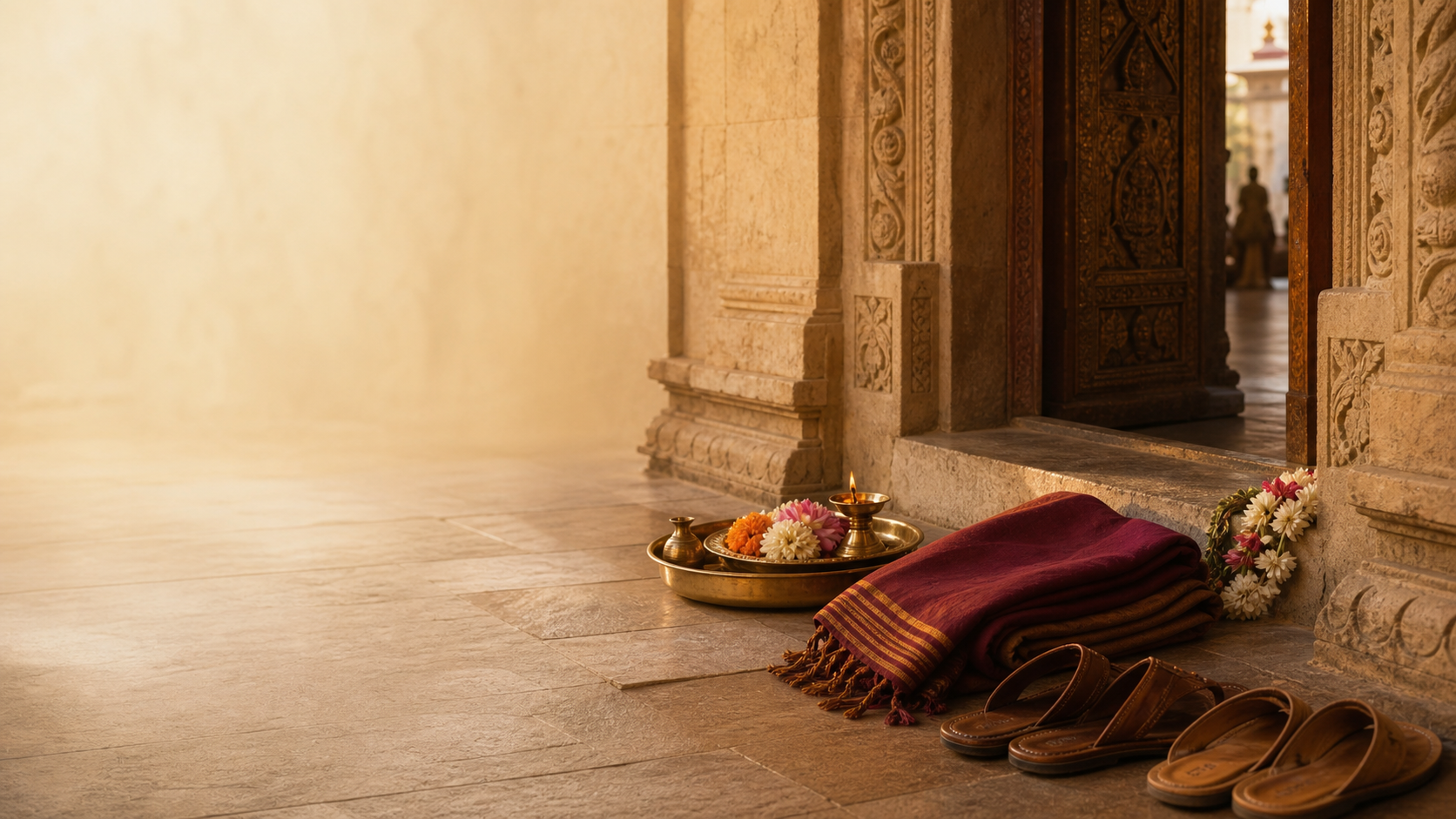
Visiting the Neelakandeswarar Temple offers a serene spiritual experience. The temple welcomes devotees from 6:00 AM to 12:30 PM and again from 4:00 PM to 9:00 PM daily. Entry is free, and the best time to visit is during the cooler months from October to March. Visitors are encouraged to wear traditional attire and remove footwear before entering the temple premises to respect its sanctity. A typical visit lasts between one to two hours, allowing ample time for darshan and quiet contemplation.
Darshan Timings and Entry
The temple operates on a split schedule for darshan. There is no entry fee, making it accessible to all pilgrims.
Best Time and Dress Code
The cooler, drier season is ideal for a comfortable visit. Modest, traditional clothing is preferred, and footwear must be removed before entering the sacred areas.
Getting There
The temple is approximately 12 km from Kumbakonam, easily reachable by local bus services or taxi. Kumbakonam is well-connected by train and bus from major cities.
| Deity | Shiva |
|---|---|
| Form | Shiva is commonly depicted as an ascetic yogi, often with a third eye, a crescent moon, and a snake around his neck, or symbolically as a Lingam. He is also known for his cosmic dance as Nataraja. |
| Consort | Parvati |
| Sampradaya | Hindu |
| Significance | As a principal deity in Hinduism, Shiva is known as 'The Destroyer' and transformer within the Trimurti, representing the cycle of creation and dissolution. He is also revered as the supreme ascetic and the source of all knowledge and arts. |
The Blue-Throated Lord
During the Samudra Manthan, the cosmic churning of the ocean, a deadly poison called Halahala emerged, threatening to destroy all creation. To save the universe, Lord Shiva selflessly consumed the poison. Goddess Parvati, seeing this, held his throat to prevent the poison from descending further into his body, thus turning his throat blue. From that moment, Shiva became known as Neelakandeswarar, 'The Blue-Throated Lord', symbolizing his ultimate sacrifice and compassion for all beings. This profound act is central to the reverence of Shiva in temples like Neelakandeswarar.
Shiva, the Destroyer and Transformer, embodies the cosmic dance of creation and dissolution, a supreme ascetic and source of all knowledge.
The Blue-Throated Lord, Neelakandeswarar, symbolizes selfless sacrifice, having consumed the deadly poison to protect the universe from destruction.
Related temples: Aakkoor Thanthondreeswarar Temple | Aazhimala Shiva Temple
The Sacred Abode of Neelakandeswarar
The Neelakandeswarar Temple in Thiruneelakudi, Tamil Nadu, stands as a profound spiritual center dedicated to Lord Shiva. This ancient shrine is revered for its tranquil atmosphere and its deep connection to Shaivite traditions. Devotees visit seeking blessings from Lord Neelakandeswarar, the blue-throated deity, believed to alleviate sufferings and grant prosperity. Its historical significance is intertwined with the rich cultural fabric of the region, making it a vital pilgrimage site.
Location and Significance
Situated in the fertile plains of Tamil Nadu, the temple is easily accessible from Kumbakonam, a city renowned for its numerous temples. It serves as a beacon of devotion, drawing pilgrims from across the state.
The Presiding Deity
Lord Shiva is worshipped here as Neelakandeswarar, a name derived from the legend of his consuming the halahala poison. His consort, Goddess Parvati, is known as Oppilamulaiyaal.
Spiritual Ambiance
The temple exudes a serene spiritual energy, inviting devotees to partake in its daily rituals and experience moments of profound introspection and prayer.
Lord Neelakandeswarar: The Blue-Throated Protector
The primary deity of the temple is Lord Shiva, revered as Neelakandeswarar. The name "Neelakandeswarar" translates to "the blue-throated Lord," a profound reference to the mythological event where Shiva consumed the halahala poison that emerged during the Samudra Manthan (churning of the cosmic ocean). To save the universe from destruction, he held the poison in his throat, which turned blue, earning him this epithet. The temple is a significant site for devotees seeking protection from negative influences and spiritual purification.
The Legend of Neelakanta
This legend underscores Shiva's role as a benevolent protector, absorbing the universe's perils to ensure its well-being, a narrative central to the temple's spiritual identity.
Main Deity and Consort
The lingam of Neelakandeswarar is the main object of worship. Alongside, his consort, Goddess Oppilamulaiyaal (Parvati), is enshrined in a separate sanctum, embodying divine grace and compassion.
Navagraha Significance
While not explicitly a Navagraha temple, many Shiva temples in Tamil Nadu hold significance for planetary worship, and devotees often pray here for relief from planetary afflictions, seeking Shiva's overarching protection.
Restoration & Conservation
The Neelakandeswarar Temple, like many ancient heritage sites in Tamil Nadu, has undergone several phases of restoration and conservation efforts throughout its long history. These endeavors are crucial for preserving the intricate Chola and later Vijayanagara architectural elements, including the delicate stucco work, granite carvings, and vibrant mural paintings that adorn its gopurams and mandapams. Organizations like the Archaeological Survey of India (ASI) and the Hindu Religious and Charitable Endowments (HR&CE) Department, alongside local temple trusts, have played pivotal roles in these projects. Challenges often include sourcing traditional materials, employing skilled artisans familiar with ancient building techniques, and ensuring that structural repairs do not compromise the temple's aesthetic or its sanctity as an active place of worship. Early interventions focused primarily on structural stability, while more recent approaches emphasize material conservation and documentation.
Contemporary conservation strategies for the Neelakandeswarar Temple extend beyond mere structural repair, encompassing environmental protection and the careful management of pilgrim traffic. The impact of weathering, pollution, and even the natural growth of vegetation poses constant threats to the ancient stone and plasterwork. Funding for these extensive projects often comes from a combination of government grants, private donations, and community contributions, reflecting the temple's deep cultural significance to the local populace. Future conservation plans often include digital documentation, laser cleaning techniques, and public awareness campaigns to educate visitors on responsible temple etiquette. These ongoing efforts are vital to ensure that the Neelakandeswarar Temple continues to stand as a testament to Tamil architectural prowess and a living center of spiritual devotion for generations to come.
🗺 How to Reach
Hover a card to animate the journey on the map
Verified routes to Neelakandeswarar Temple
Common Questions
Where is Neelakandeswarar Temple: Thiruneelakudi's Ancient Shiva Shrine located?
Neelakandeswarar Temple: Thiruneelakudi's Ancient Shiva Shrine is documented at Thanjavur, Tamil Nadu.
Which deity is associated with Neelakandeswarar Temple: Thiruneelakudi's Ancient Shiva Shrine?
Neelakandeswarar Temple: Thiruneelakudi's Ancient Shiva Shrine is associated with Shiva.