A complete pilgrim record drawn from the existing published article data.
Distinctive Nayak Temple Architecture
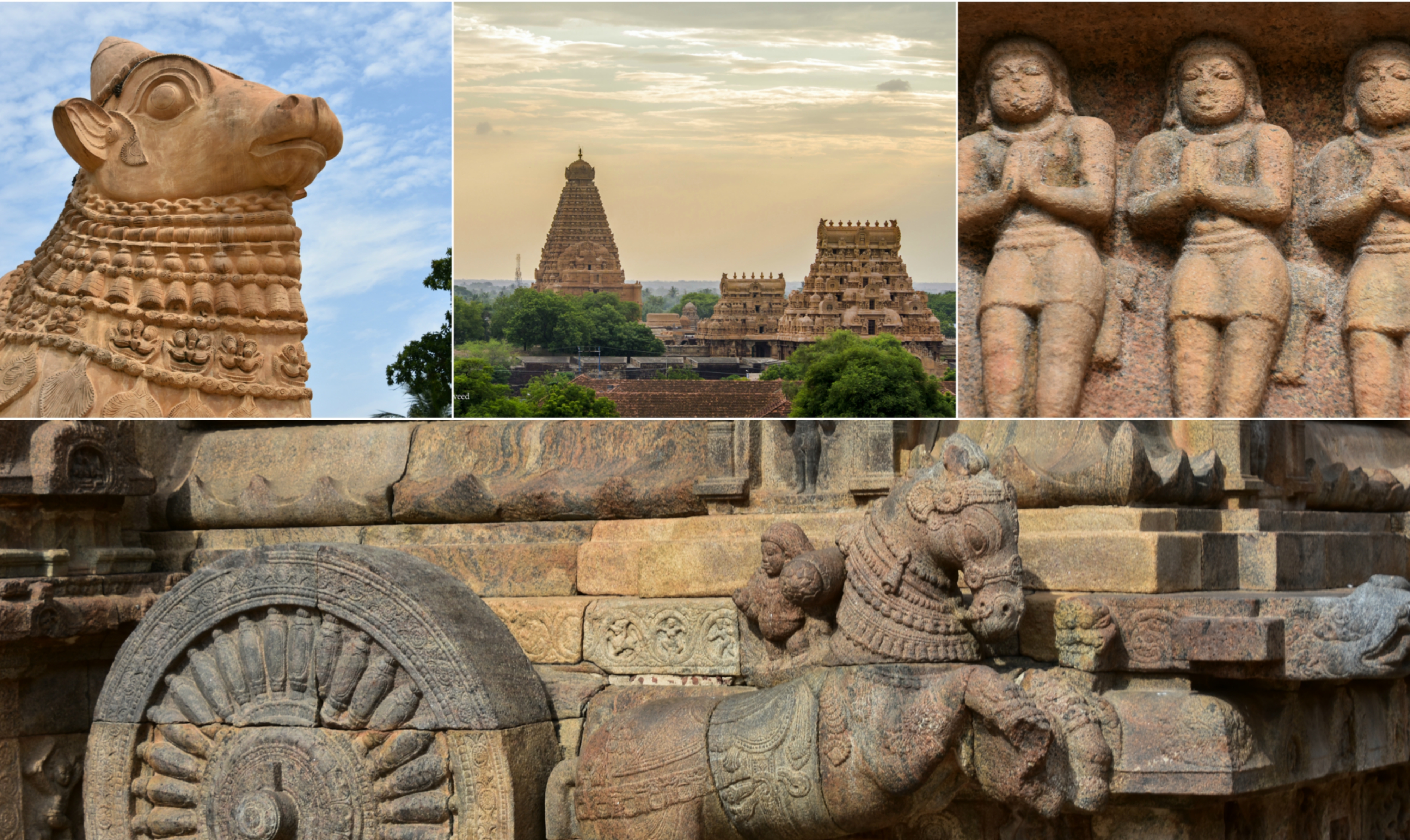
Temples along the Nayak Trail are renowned for their distinctive architectural features, intricate sculptures, and artistic expressions, showcasing grandeur and innovation. Key elements include towering gopurams adorned with myriad stucco figures, vast multi-pillared mandapas (halls) with exquisitely carved columns, and elaborate pradakshina paths. The Nayaks introduced the ranga mandapa and vasanta mandapa, often featuring musical pillars and mythical beast carvings (yalis). Their architectural style emphasized scale, detailed iconography, and the integration of narrative sculptures, reflecting a blend of religious fervor and artistic mastery that continues to captivate visitors.
Colossal Gopurams
The towering gateway towers, or gopurams, are a hallmark of Nayak architecture, covered in vibrant sculptures.
Intricate Mandapas
Expansive pillared halls (mandapas) feature highly detailed carvings, often depicting mythological scenes and deities.
Sculptural Grandeur
The temples are rich with life-sized sculptures, including mythical yalis and depictions of Nayak rulers and their consorts.
Navigating the Nayak Temple Trail: A Visitor's Guide
Planning a journey along the Nayak Temple Trail requires practical advice to ensure a fulfilling experience. The best time to visit is from October to March when the weather is cooler. Entry to most temples is free, but donations are welcome. Dress codes typically require modest attire, covering shoulders and knees, and footwear must be removed before entering shrines. Allow 1-2 hours per major temple to appreciate its architecture and spiritual ambiance. Transportation between sites can be managed via local buses or hired cars. Key sites include those in Madurai, Srirangam, and Thanjavur, each offering unique insights into the Nayak legacy.
Best Time to Visit
The cooler months from October to March offer the most comfortable climate for temple visits.
Etiquette and Dress Code
Modest clothing covering shoulders and knees is recommended, and removing footwear is customary.
Logistics and Transport
Hiring a car or utilizing inter-city buses are practical options for navigating between the various temple locations.
| Deity | Multiple |
|---|
The Pilgrim's Path: A Journey of Collective Devotion
Across the ancient lands of Tamil Nadu, the Nayak Temple Trail beckons pilgrims to embark on a sacred journey. It is said that each temple along this path holds a unique divine energy, a fragment of the ultimate truth. Devotees believe that by traversing this route, visiting multiple deities, and offering prayers at each sacred stop, they weave a tapestry of collective devotion. This pilgrimage is not just about a single deity, but about experiencing the vastness of the divine, finding spiritual solace, and connecting with centuries of faith embedded in the very stones of these magnificent Nayak-era temples.
A journey through these sacred sites is not just a physical act, but a profound spiritual quest, connecting the devotee with the divine heritage of Tamil Nadu.
Each temple on this trail stands as a testament to the enduring faith and artistic brilliance of the Nayak era, echoing centuries of devotion.
Related temples: Aakkoor Thanthondreeswarar Temple | Abhaya Varadeeswarar Temple, Adirampattinam
Embarking on the Nayak Temple Trail
The Nayak Temple Trail offers a unique pilgrimage through Tamil Nadu's rich spiritual and architectural heritage, connecting significant temples primarily constructed or extensively renovated during the Nayak period (16th-18th centuries). This heritage route showcases a profound era of artistic and religious patronage, allowing devotees and history enthusiasts to explore a network of sacred sites. Each temple along the trail narrates tales of devotion, intricate craftsmanship, and historical significance, providing a comprehensive experience of South Indian temple culture. It's a journey through time, revealing the enduring legacy of a powerful dynasty.
A Spiritual Odyssey
This trail is more than just sightseeing; it is a spiritual journey connecting devotees with ancient traditions and deities.
Architectural Marvels
The temples on this route are celebrated for their distinctive Nayak architectural styles and elaborate sculptural work.
Historical Significance
Each site offers insights into the political, social, and religious landscape of the Nayak era in Tamil Nadu.
The Legacy of the Nayak Dynasty
The Nayak dynasty, emerging after the decline of the Vijayanagara Empire, profoundly influenced temple construction, art, and religious practices across Tamil Nadu. Their rule, spanning from the 16th to the 18th centuries, was marked by extensive patronage of Vaishnavism and Shaivism, leading to the renovation and expansion of existing temples and the construction of new, grand complexes. They introduced innovations in temple architecture, such as the mandapa (pillared hall) and gopuram (ornate gateway tower), making them more colossal and intricately carved. This era solidified many devotional traditions and artistic styles that remain characteristic of Tamil temples today.
Patronage and Expansion
Nayak rulers were avid patrons of religious institutions, funding significant temple renovations and expansions.
Cultural Flourishing
Their reign fostered a vibrant period of artistic and architectural development, shaping the South Indian temple landscape.
Religious Impact
The dynasty played a crucial role in standardizing and popularizing many Hindu devotional practices and festivals.
A Pantheon of Deities: Faith Along the Trail
The Nayak Temple Trail encompasses temples dedicated to a diverse pantheon of deities, primarily Vishnu and Shiva, alongside their consorts and other prominent Hindu gods. Each shrine along the route is steeped in spiritual narratives, local myths, and devotional practices that bind the entire pilgrimage together. Visitors encounter various forms of Shiva, such as Nataraja and Lingodbhava, and Vishnu, including Ranganatha and Varadaraja. The presence of Goddess Shakti in her various manifestations, often as the consort of the main deity, is also prominent. These temples are living centers of worship, where ancient rituals and festivals continue to be observed, reflecting the enduring faith of the region.
Shaivite and Vaishnavite Centers
The trail features significant temples dedicated to both Lord Shiva and Lord Vishnu, showcasing their diverse forms.
Goddess Worship
Many temples also enshrine the powerful Goddess Shakti, often in her role as the divine consort.
Mythology and Rituals
Each temple is rich with unique legends, mythological stories, and traditional worship practices.
Restoration & Conservation Efforts
The preservation of Nayak-era temples along this heritage trail presents a formidable challenge, given their age, the intricate carvings, and the traditional construction materials used. Many structures have endured centuries of weathering, natural calamities, and, at times, neglect, leading to structural weaknesses, erosion of sculptures, and deterioration of murals. Restoration efforts are meticulously undertaken by the Archaeological Survey of India (ASI), state archaeology departments, and dedicated private trusts, often involving highly skilled sthapatis (traditional architects and sculptors) who understand the nuances of Dravidian architecture. The primary goal is to stabilize the structures while retaining their original aesthetic and spiritual integrity, often requiring the use of traditional lime mortar, natural pigments, and stone carving techniques that mirror those of the Nayak period. This painstaking process ensures that the historical and artistic value of these sacred sites is not compromised.
Successful restoration and conservation initiatives have breathed new life into many of the Nayak temples, ensuring their continued existence for future generations of devotees and scholars. These efforts not only stabilize the physical structures but also contribute significantly to the cultural and economic vitality of the regions they inhabit, attracting more visitors and fostering a sense of pride among local communities. However, the task is ongoing; challenges such as securing consistent funding, mitigating the impacts of climate change, and managing increasing visitor footfall require continuous attention. The future sustainability of the Nayak Temple Trail as a heritage pilgrimage route hinges on sustained collaboration between government bodies, heritage organizations, local communities, and international partners, ensuring that these architectural marvels remain vibrant centers of worship and cultural heritage.
🗺 How to Reach
Hover a card to animate the journey on the map
Verified routes to Nayak Temple Trail: A Heritage Pilgrimage Route
Common Questions
Where is Nayak Temple Trail: A Heritage Pilgrimage located?
Nayak Temple Trail: A Heritage Pilgrimage is documented at Tamil Nadu.
Which deity is associated with Nayak Temple Trail: A Heritage Pilgrimage?
Nayak Temple Trail: A Heritage Pilgrimage is associated with Multiple.