A complete pilgrim record drawn from the existing published article data.
Tracing the Ancient Origins and Development of the Navagraha Shrines
The origins of the Navagraha Temples in Tamil Nadu are deeply rooted in ancient Hindu traditions, with many shrines dating back to the Chola period. While planetary worship is ancient, the consolidation of dedicated temples for each Navagraha deity in a specific region is a notable historical development. Royal patronage, particularly from the Chola kings, played a crucial role in the construction, expansion, and maintenance of these temples. Over centuries, these structures evolved, incorporating various architectural styles and sculptural enhancements, reflecting the changing artistic and religious landscape of the region.
Historical Roots
Many of the existing Navagraha temples have their foundations in the early medieval period, with textual references suggesting even older traditions of planetary veneration.
Royal Patronage
The Chola dynasty, renowned for its temple building, significantly contributed to the establishment and architectural grandeur of several Navagraha shrines, endowing them with land and resources.
Architectural Evolution
Initially modest structures, the temples underwent successive renovations and additions by various rulers, leading to the grand complexes seen today, featuring intricate carvings and towering gopurams.
Unveiling the Distinctive Dravidian Architecture of the Navagraha Temples
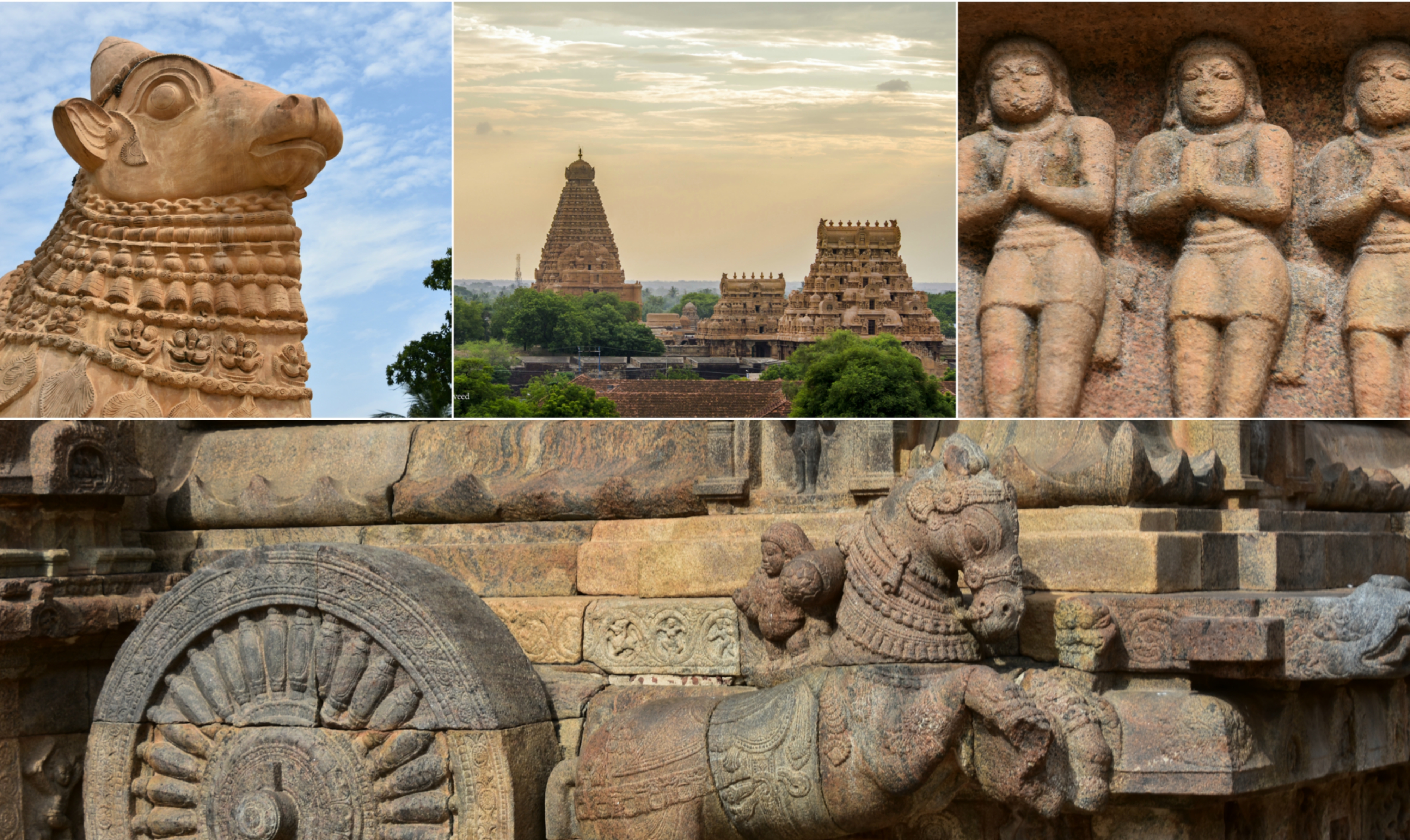
The Navagraha Temples predominantly showcase the distinctive Dravidian architectural style, characterized by towering gopurams (entrance towers), elaborate vimanas (tower above the sanctum), and intricately carved mandapams (halls). Each temple's design incorporates specific iconographic representations of its presiding planetary deity, adhering to ancient Shilpa Shastras. The sculptural artistry vividly depicts mythological narratives, celestial beings, and flora and fauna, reflecting the rich cultural heritage. Symbolic representations, such as the orientation of the sanctums and the placement of subsidiary shrines, are integral to their cosmic design.
Key Architectural Features
Prominent features include multi-tiered gopurams adorned with sculptures, massive prakaras (circumambulatory paths), and finely crafted pillars in the mandapams.
Sculptural Narratives
The temple walls and towers are rich with sculptures depicting episodes from Hindu mythology, the life stories of saints, and various forms of the deities, serving both decorative and didactic purposes.
Symbolic Design
The layout and orientation of each temple often align with astronomical principles, symbolizing the cosmic order and the deity's specific influence.
Understanding the Navagrahas: Mythology, Influence, and Worship
The Navagrahas are the nine celestial bodies and deities in Hindu astrology: Surya (Sun), Chandra (Moon), Mangala (Mars), Budha (Mercury), Guru (Jupiter), Shukra (Venus), Shani (Saturn), Rahu (North Lunar Node), and Ketu (South Lunar Node). Each deity possesses unique characteristics, mythological narratives, and specific astrological influences on human life. Rahu and Ketu are shadow planets, representing the lunar nodes. Worship at their dedicated temples involves specific rituals and offerings tailored to appease each planet, seeking to harmonize their cosmic energies and mitigate any adverse effects they may cast.
Individual Deities and Characteristics
Each Navagraha deity is associated with specific colors, grains, gemstones, and personality traits, influencing different aspects of an individual's horoscope.
Mythological Narratives
Ancient texts like the Puranas contain numerous stories detailing the birth, deeds, and powers of each Navagraha, explaining their significance in the cosmic order.
Astrological Impact and Rituals
Devotees perform specific pujas, chant mantras, and offer designated items to each planet to counteract negative astrological influences and enhance positive ones.
A Pilgrim's Guide to the Navagraha Circuit in Tamil Nadu
Embarking on the Navagraha circuit requires careful planning to ensure a fulfilling spiritual experience. Pilgrims typically visit all nine temples in a specific order, often completing the circuit within one or two days. The best time to undertake this pilgrimage is during the cooler months, from October to March. Essential tips include arranging transportation in advance, understanding the specific rituals and offerings for each deity, and respecting temple customs such as dress codes and silence. Many local guides are available to assist with the logistics and spiritual aspects of the journey.
Pilgrimage Route and Logistics
The temples are spread across the Kaveri Delta region. Planning the route efficiently, often starting with Surya Nar Temple (Suryanar Koil), is crucial for covering all nine sites.
Rituals and Offerings
Each temple has specific offerings like particular grains or cloths associated with its deity. Participating in these rituals is central to the pilgrimage's purpose.
Best Time to Visit and Tips
The cooler dry season is ideal. It is advisable to carry water, wear comfortable traditional attire, and be prepared for walking and potentially crowded conditions.
| Deity | One of the nine planetary deities (Navagrahas) |
|---|---|
| Form | Celestial beings, personifications of the planets and lunar nodes |
| Consort | Varies for each planetary deity (e.g., Chhaya for Shani, Tara for Brihaspati) |
| Sampradaya | Hinduism, particularly prevalent in Shaiva and Vaishnava traditions |
| Significance | Worshipped to mitigate negative planetary influences (doshas) and receive blessings for health, wealth, and prosperity. Each deity represents a specific planet and its cosmic energy. |
The Cosmic Dance of Destiny
According to Hindu astrology, the positions and movements of the Navagrahas (nine planets) at the time of one's birth significantly influence their life path and destiny. It is believed that by worshipping these planetary deities, devotees can appease any malefic effects caused by unfavorable planetary alignments and enhance the positive influences. Each Navagraha temple in Tamil Nadu is dedicated to one specific planet, allowing devotees to perform specific rituals to seek blessings and mitigate challenges, ensuring harmony and well-being in their lives.
As above, so below; the stars guide our paths, but devotion can alter their course.
Seek the blessings of the Navagrahas to transform challenges into opportunities and illuminate your destiny.
The Celestial Navagraha Temples of Tamil Nadu
The Navagraha Temples in Tamil Nadu represent a unique and spiritually profound pilgrimage circuit dedicated to the nine planetary deities. Each temple is specifically consecrated to one of the celestial bodies, believed to influence human destiny according to Hindu astrology. Pilgrims visit these sites seeking to mitigate malefic planetary effects and invoke blessings for well-being. This pilgrimage offers a distinct spiritual journey, deeply embedded in Vedic traditions, attracting devotees from across the globe.
Spiritual Significance
These temples hold immense spiritual significance as centers for astrological remedies. Worshipping the Navagrahas is believed to balance cosmic energies and alleviate life's challenges.
Unique Pilgrimage Experience
The Navagraha circuit involves visiting nine distinct temples, often within a short period, creating a focused and intense devotional experience for pilgrims.
🗺 How to Reach
Hover a card to animate the journey on the map
Verified routes to Navagraha Temples in Tamil Nadu
Common Questions
Where is Navagraha Temples Tamil Nadu: Appease the Cosmic Deities located?
Navagraha Temples Tamil Nadu: Appease the Cosmic Deities is documented at Tamil Nadu.
Which deity is associated with Navagraha Temples Tamil Nadu: Appease the Cosmic Deities?
Navagraha Temples Tamil Nadu: Appease the Cosmic Deities is associated with one of the nine planetary deities.