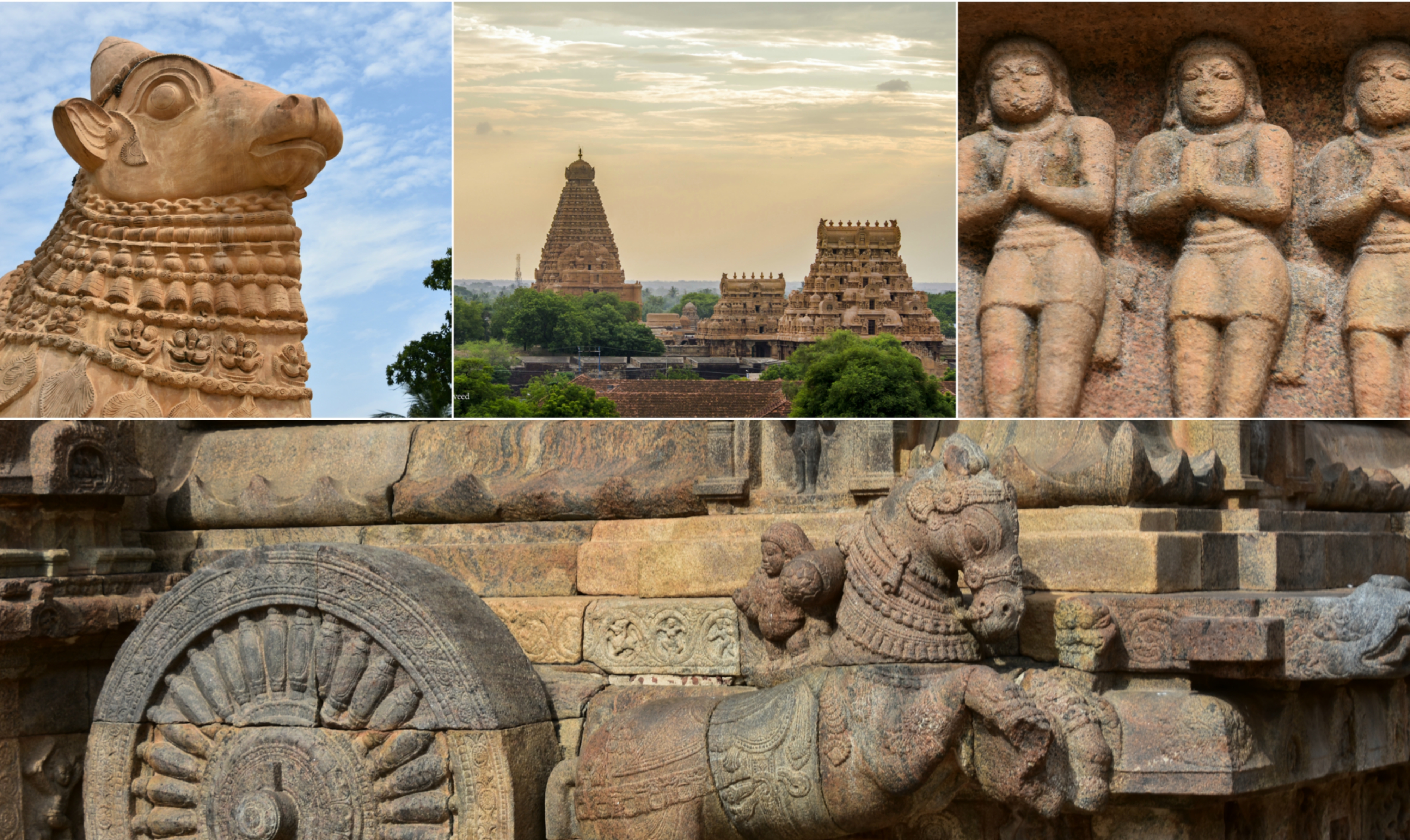
A complete pilgrim record drawn from the existing published article data.
Centuries of Devotion: Tracing the History of the Navagraha Shrines
The origins of the Navagraha temples are deeply intertwined with ancient Tamil religious practices and the patronage of various dynasties, evolving into the revered pilgrimage sites they are today. While specific construction dates for all nine temples vary, their foundations often trace back to the Chola period, with subsequent renovations and expansions by later rulers like the Nayakas. These temples reflect a long-standing tradition of graha worship, which gained prominence in South India. The collective identity as a "Navagraha circuit" likely solidified over centuries, driven by astrological beliefs and devotional practices.
Ancient Roots and Chola Influence
Many of these temples boast inscriptions and architectural styles characteristic of the Imperial Cholas (9th-13th centuries CE), indicating their antiquity. The Cholas were prolific temple builders and patrons of arts and religion.
Evolution of Worship
Initially, graha worship might have been integrated into larger Shiva or Vishnu temples. Over time, dedicated shrines for each graha emerged, eventually forming the distinct pilgrimage circuit.
Later Dynastic Patronage
Following the Cholas, dynasties such as the Vijayanagara Empire and the Nayaks of Madurai also contributed to the maintenance and enhancement of these temples, adding their own architectural and sculptural elements.
Sacred Geometry: The Distinctive Architecture of Each Planetary Abode
Each Navagraha temple showcases distinct architectural elements and sculptural representations, reflecting the specific planetary deity it houses and the rich Dravidian temple building traditions. While all share the common South Indian temple style, individual shrines exhibit unique vimanas (tower above the sanctum), mandapams (halls), and iconographic details. The orientation of the main deity within each temple is also significant, often facing a particular direction associated with the graha. These architectural nuances contribute to the spiritual atmosphere and aid devotees in connecting with the specific planetary energy.
Dravidian Architectural Style
The temples predominantly feature the classic Dravidian style, characterized by towering gopurams (entrance towers), intricate carvings, and granite constructions.
Unique Iconography
Each temple's main idol and surrounding sculptures depict the specific graha with its traditional attributes, vehicles, and consorts, as described in Hindu scriptures. For example, Surya (Sun) is often shown with two lotus flowers.
Directional Significance
The orientation of the sanctum sanctorum within each temple is astrologically determined, aligning with the cardinal direction associated with the presiding planetary deity, enhancing the ritualistic experience.
The Cosmic Journey: Unveiling the Navagraha Temples of Kumbakonam
The Navagraha temples near Kumbakonam, Tamil Nadu, form a unique and profound pilgrimage circuit dedicated to the nine planetary deities, or grahas, in Hindu astrology. This sacred cluster, spread across the fertile Cauvery Delta, attracts devotees seeking to mitigate malefic planetary influences and receive blessings. Each temple is specifically consecrated to one of the nine celestial bodies – Sun, Moon, Mars, Mercury, Jupiter, Venus, Saturn, Rahu, and Ketu – making it a significant spiritual journey. The pilgrimage is believed to harmonize one's cosmic energies, offering solace and spiritual well-being.
A Unique Pilgrimage Circuit
Unlike other temple complexes, the Navagraha temples are not a single site but a collection of nine distinct temples, each located in a different village around Kumbakonam. This geographical spread emphasizes the individual significance of each graha.
Astrological Significance
Devotees visit these temples to perform specific poojas and rituals to appease the respective planetary deity, believing it can positively influence their dasha (planetary period) and overall destiny as per Vedic astrology.
Spiritual Harmony
The journey through these temples is considered a powerful means to achieve spiritual balance and alleviate life's challenges, fostering a deep connection with cosmic forces.
Guardians of Destiny: Understanding the Navagrahas and Their Mythologies
The Navagrahas, or nine planetary deities, are central to Hindu astrology, with each temple dedicated to a specific graha, embodying unique mythological narratives and astrological influences. These celestial entities are not worshipped as supreme gods but as powerful forces that govern human destiny and karma. Each graha has a distinct personality, a specific color, grain, gemstone, and associated legends that explain its characteristics and influence. Devotion to these deities aims to mitigate adverse effects and harness positive energies for well-being and success.
The Nine Celestial Influencers
The Navagrahas include Surya (Sun), Chandra (Moon), Mangal (Mars), Budha (Mercury), Brihaspati (Jupiter), Shukra (Venus), Shani (Saturn), Rahu (North Lunar Node), and Ketu (South Lunar Node).
Mythological Narratives
Each graha has a rich mythological backstory, often involving their birth, divine curses, boons, and their roles in various cosmic events, which are recounted in Puranic texts.
Astrological Impact
In Vedic astrology, the positions and movements of these grahas at the time of a person's birth are believed to determine their personality, fate, and life events, making their appeasement crucial.
Embarking on the Navagraha Yatra: Essential Tips for Pilgrims
A well-planned visit to the Navagraha temples requires understanding the logistics, best times to visit, and local customs to ensure a fulfilling spiritual journey. Given that the temples are spread out, efficient transportation is key. Pilgrims should allocate a full day to comfortably visit all nine shrines. Adhering to the local dress code and temple etiquette is important for a respectful experience. Planning the itinerary to avoid peak hours and coordinating with local guides or drivers can significantly enhance the pilgrimage, allowing for peaceful darshan and reflection.
Planning Your Itinerary
Begin early in the morning to cover all nine temples within a day. Hiring a private taxi or engaging a local tour operator from Kumbakonam is the most convenient option.
Dress Code and Etiquette
Modest attire is expected; men usually wear dhotis or pants, and women wear sarees or salwar kameez. Footwear must be removed before entering temple premises.
Best Time to Visit
The cooler months from October to March are ideal for the pilgrimage, as the weather is pleasant for extensive travel and temple visits. Avoid the hot summer months.
| Deity | Navagraha Deities |
|---|---|
| Form | Celestial bodies, often depicted anthropomorphically in shrines. |
| Consort | Not applicable as a collective; individual deities have specific consorts. |
| Sampradaya | Hinduism |
| Significance | The nine celestial bodies (Sun, Moon, Mars, Mercury, Jupiter, Venus, Saturn, Rahu, Ketu) believed to influence human destiny and well-being in Hindu astrology. Worshipping them is thought to mitigate negative planetary effects. |
The Celestial Influence and Earthly Remedies
In ancient times, sages and devotees recognized the profound influence of celestial bodies on human life. It is believed that the nine planets, or Navagrahas, govern various aspects of one's destiny, bringing both fortune and challenges. To mitigate adverse planetary effects and seek blessings for prosperity and well-being, devout individuals established shrines dedicated to each of these powerful deities. The Navagraha temples in Kumbakonam emerged as a sacred circuit, offering a unique opportunity to appease each planet individually, thereby harmonizing one's cosmic energies and fostering a balanced life.
The stars do not merely observe; they actively shape our destinies. Appease them, and find your path illuminated.
In the cosmic dance of planets, each step influences our journey. Seek harmony, and find peace.
🗺 How to Reach
Hover a card to animate the journey on the map
Verified routes to Navagraha temples in Kumbakonam, Tamil Nadu
Common Questions
Where is Navagraha Temples: Astrological Powerhouses of Kumbakonam located?
Navagraha Temples: Astrological Powerhouses of Kumbakonam is documented at Kumbakonam, Tamil Nadu.
Which deity is associated with Navagraha Temples: Astrological Powerhouses of Kumbakonam?
Navagraha Temples: Astrological Powerhouses of Kumbakonam is associated with one of the nine planetary deities.