A complete pilgrim record drawn from the existing published article data.
Tracing the Origins: History and Astrological Foundations
The tradition of Navagraha worship has deep roots in ancient Hindu scriptures and astronomical observations. While individual planetary deities were revered for millennia, the concept of dedicated temples for all nine as a collective pilgrimage circuit gained prominence during the Chola dynasty in Tamil Nadu, particularly between the 9th and 13th centuries. These temples became pivotal centers for astrological practices, solidifying the belief that planetary positions at birth and throughout life profoundly impact an individual's fortune, health, and relationships.
Ancient Astronomical Beliefs
Early Vedic texts mention celestial bodies and their influence, laying the groundwork for later astrological systems. The understanding of planetary movements was crucial for timekeeping and agricultural cycles, evolving into a complex system of cosmic influence.
Chola Era Patronage
The construction and popularization of the distinct Navagraha temples are largely attributed to the Chola kings. Their patronage helped establish these sites as integral to religious and astrological practices, attracting devotees seeking planetary appeasement.
Sacred Structures: Architecture and Iconography of the Navagrahas
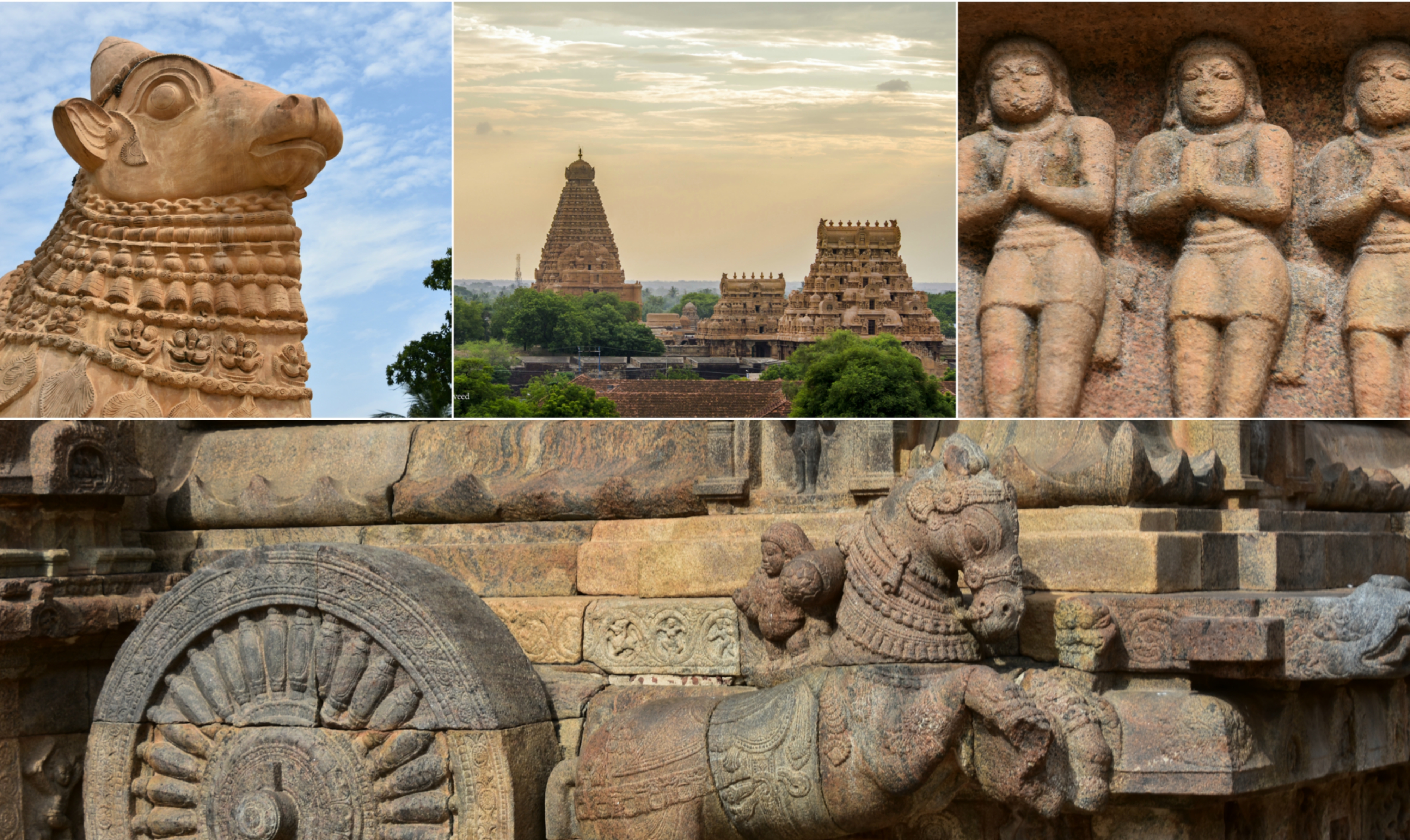
The Navagraha Temples showcase a blend of traditional Dravidian architectural styles, characterized by intricate gopurams (tower gateways), mandapams (halls), and sanctums. Each temple, while part of a larger circuit, often features unique sculptural details and iconography specific to its presiding planetary deity. The idols of the Navagrahas are typically depicted with distinct attributes, postures, and vehicles, reflecting their individual characteristics and mythological narratives. The orientation of the shrines within the temples often follows specific astrological alignments.
Dravidian Architectural Elements
Common architectural features include granite construction, multi-tiered pyramidal towers (vimanas) over the main shrines, and elaborate carvings depicting mythological scenes and deities. The layout is designed for circumambulation.
Distinctive Iconography
Each Navagraha deity possesses unique iconographic details. For instance, Surya (Sun) is depicted with two lotus flowers, Chandra (Moon) with a crescent, and Shani (Saturn) often with a crow mount, each symbolizing their cosmic role.
Cosmic Custodians: Mythology and Rituals of the Navagraha Deities
Each of the nine Navagraha deities possesses a rich mythology and distinct characteristics, influencing various aspects of human life. Surya (Sun) governs soul and vitality, Chandra (Moon) emotions, Mangala (Mars) energy, Budha (Mercury) intellect, Guru (Jupiter) wisdom, Shukra (Venus) prosperity, and Shani (Saturn) discipline. Rahu (North Lunar Node) and Ketu (South Lunar Node), shadow planets, are associated with karmic influences and spiritual liberation. Specific rituals, including homams (fire rituals) and abhishekam (sacred bathing), are performed to honor and appease these deities, seeking their benevolent intervention for well-being and overcoming challenges.
Individual Deities and Attributes
Surya (Sun) is the king of planets, Chandra (Moon) the mind, Mangala (Mars) courage, Budha (Mercury) communication, Guru (Jupiter) knowledge, Shukra (Venus) luxury, Shani (Saturn) justice, Rahu ambition, and Ketu detachment.
Specific Worship Practices
Offerings vary for each graha; for example, red flowers for Surya, white clothes for Chandra, and black sesame for Shani. Chanting specific mantras and performing designated pujas are common methods of appeasing them.
Journey to the Planets: A Visitor's Guide to the Navagraha Temples
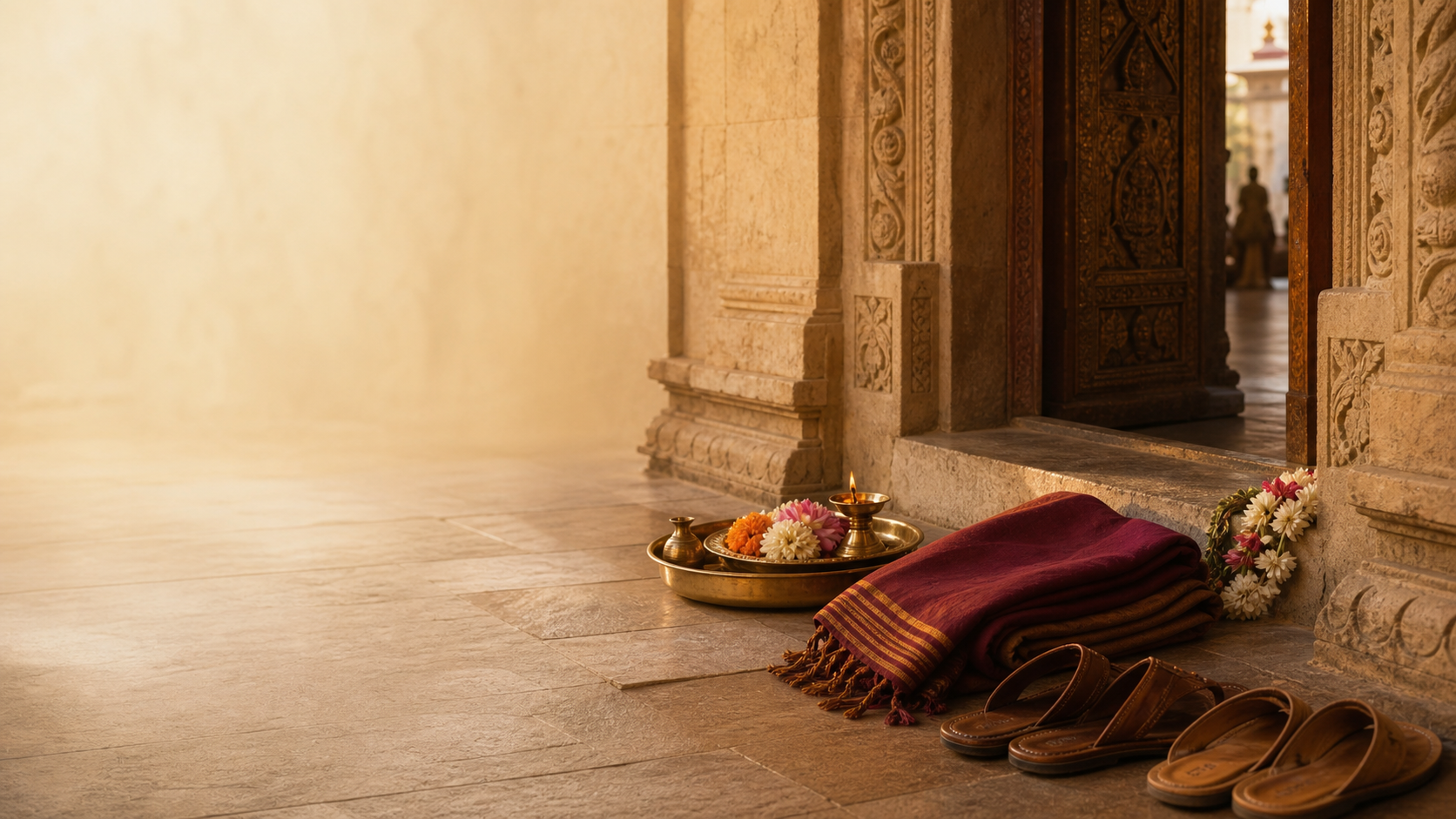
Visiting the Navagraha Temples, especially the circuit in Tamil Nadu, is a profound spiritual experience. The best time for this pilgrimage is typically from October to March, when the weather is pleasant. While entry is generally free, specific poojas or offerings may incur costs. Visitors are advised to wear traditional, modest attire and remove footwear before entering the sanctums. A typical visit to one temple might take 1-2 hours. For the specific temple in Tiruttani, it is 1-2 km from Tiruttani Bus Stand and Railway Station (TRT), and approximately 85 km from Chennai International Airport (MAA).
Planning Your Pilgrimage
The temples are generally open from 6:00 AM to 12:30 PM and 4:00 PM to 9:00 PM. Regular bus services connect major towns to the temple locations. Car parking is usually available near temple premises.
Observing Temple Customs
Devotees traditionally circumambulate the shrines and make specific offerings based on the deity being worshipped. Maintaining silence, respecting local customs, and observing cleanliness are essential during the visit.
| Deity | Navagraha |
|---|---|
| Form | The Navagraha are a collective of nine celestial deities, each personifying a planet or celestial body in Hindu astrology. |
| Consort | Each of the nine Navagraha deities has a specific consort, though they are often worshipped collectively without individual consorts in this context. |
| Sampradaya | Hindu |
| Significance | They are revered for their profound influence on human destiny and well-being, with devotees performing rituals to appease them and seek blessings for a harmonious life. |
The Influence of the Nine Celestial Lords
In ancient times, sages understood that celestial bodies, the Navagraha, profoundly impact human destiny. Each 'Graha' holds sway over aspects of life, from health and wealth to relationships. To navigate these cosmic influences and ensure harmony, devotees began rituals to appease these nine planetary deities. It is believed that through sincere worship, one can mitigate malefic effects and attract blessings, aligning individual fate with cosmic order for peace and prosperity.
The celestial bodies chart our paths, but devotion can guide our journey through their powerful influences.
Seek the blessings of the Navagraha to harmonize your life and mitigate the challenges of fate.
Unveiling the Cosmic Influence: The Navagraha Temples
The Navagraha Temples of Tamil Nadu represent a unique and spiritually significant pilgrimage circuit in Hindu tradition. Dedicated to the worship of the nine planetary deities (Navagrahas), these sacred sites are believed to influence human destiny and well-being. Devotees visit these temples to appease the planetary forces, seeking to mitigate negative astrological effects and enhance positive ones, thereby fostering harmony in their lives. The collective worship of these celestial bodies underscores a profound connection between cosmic movements and earthly existence.
Astrological Significance
In Hindu astrology, the positions and movements of the nine planets (Sun, Moon, Mars, Mercury, Jupiter, Venus, Saturn, Rahu, Ketu) are believed to exert a powerful influence on an individual's life path. Worship at the Navagraha Temples aims to harmonize these planetary energies.
The Pilgrimage Circuit
The traditional Navagraha pilgrimage involves visiting nine distinct temples, each primarily dedicated to one of the nine planetary deities. This circuit, predominantly located in Tamil Nadu, is undertaken to receive blessings from each graha.
🗺 How to Reach
Hover a card to animate the journey on the map
Verified routes to Navagraha Temples Astrological Order
Common Questions
Where is Navagraha Temples: Unraveling Cosmic Destiny in Tamil Nadu located?
Navagraha Temples: Unraveling Cosmic Destiny in Tamil Nadu is documented at Tamil Nadu.
Which deity is associated with Navagraha Temples: Unraveling Cosmic Destiny in Tamil Nadu?
Navagraha Temples: Unraveling Cosmic Destiny in Tamil Nadu is associated with the worship of the navagraha.