A complete pilgrim record drawn from the existing published article data.
Architectural Grandeur: Marvels of Dravidian Artistry at Meenakshi Temple
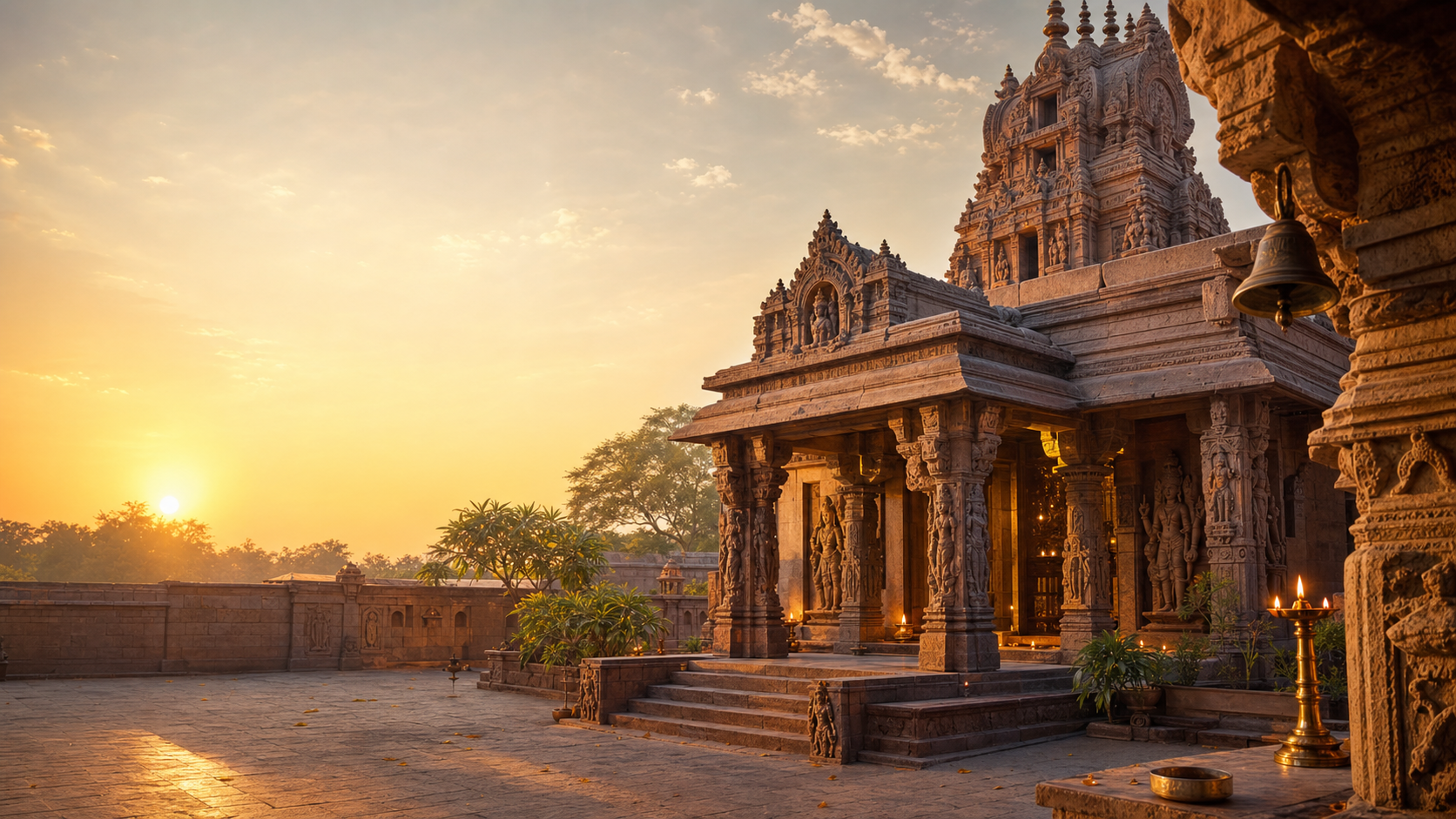
The Meenakshi Temple exemplifies the pinnacle of Dravidian architecture, showcasing a rich synthesis of Pandya, Vijayanagara, and Nayak styles. Constructed primarily from granite and sandstone, the complex is renowned for its towering gopurams, or gateway towers, adorned with thousands of intricately sculpted figures. These vibrant structures dominate the Madurai skyline. Within the sprawling complex, the Ayirakkal Mandapam, or Thousand-Pillared Hall, stands out as a masterpiece of sculptural art, featuring exquisitely carved columns, each unique, displaying mythological beasts, deities, and daily life scenes. The temple's design also incorporates numerous mandapams, tanks, and shrines, all reflecting meticulous craftsmanship.
Towering Gopurams
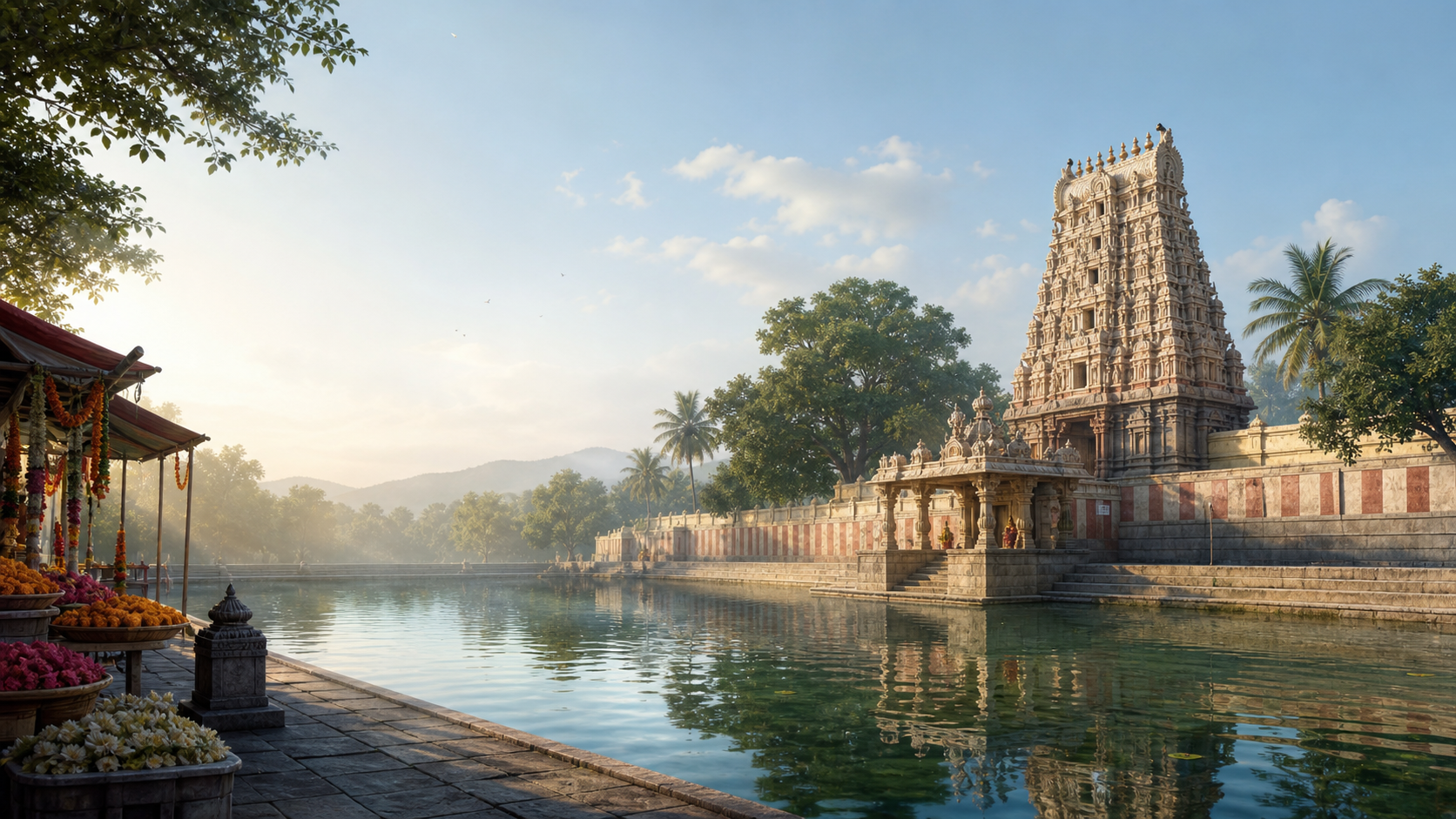
The temple is famed for its fourteen towering gopurams, each multi-storied and covered with a profusion of colorful, mythological sculptures, serving as magnificent gateways to the sacred precincts.
The Thousand-Pillared Hall
The Ayirakkal Mandapam, or Thousand-Pillared Hall, is an architectural marvel. Each of its nearly one thousand pillars is uniquely carved, depicting various mythological figures and scenes.
The Majestic Meenakshi Temple: A Spiritual Heartbeat of Madurai
The Meenakshi Temple, dedicated to Goddess Meenakshi and Lord Sundareswarar, stands as a vibrant spiritual and cultural epicenter in Madurai, Tamil Nadu. It is revered as a Paadal Petra Sthalam, a Pancha Sabhai, and a Divya Desam, embodying a rich syncretic tradition of Shaiva, Shakta, and Vaishnava worship. This ancient temple is not merely a place of worship but a living testament to centuries of devotion, art, and architectural prowess, drawing millions of pilgrims and tourists alike to experience its profound sanctity and historical grandeur.
A Confluence of Traditions
The temple uniquely integrates Shaiva, Shakta, and Vaishnava traditions, reflecting a broad spectrum of Hindu worship. Its status as a Paadal Petra Sthalam highlights its veneration by Nayanar saints.
Heritage Designations
Recognized as a Paadal Petra Sthalam, Pancha Sabhai, and Divya Desam, the temple holds multiple significant heritage titles within Hinduism, underscoring its historical and religious importance.
Planning Your Pilgrimage: A Visitor's Guide to Meenakshi Temple
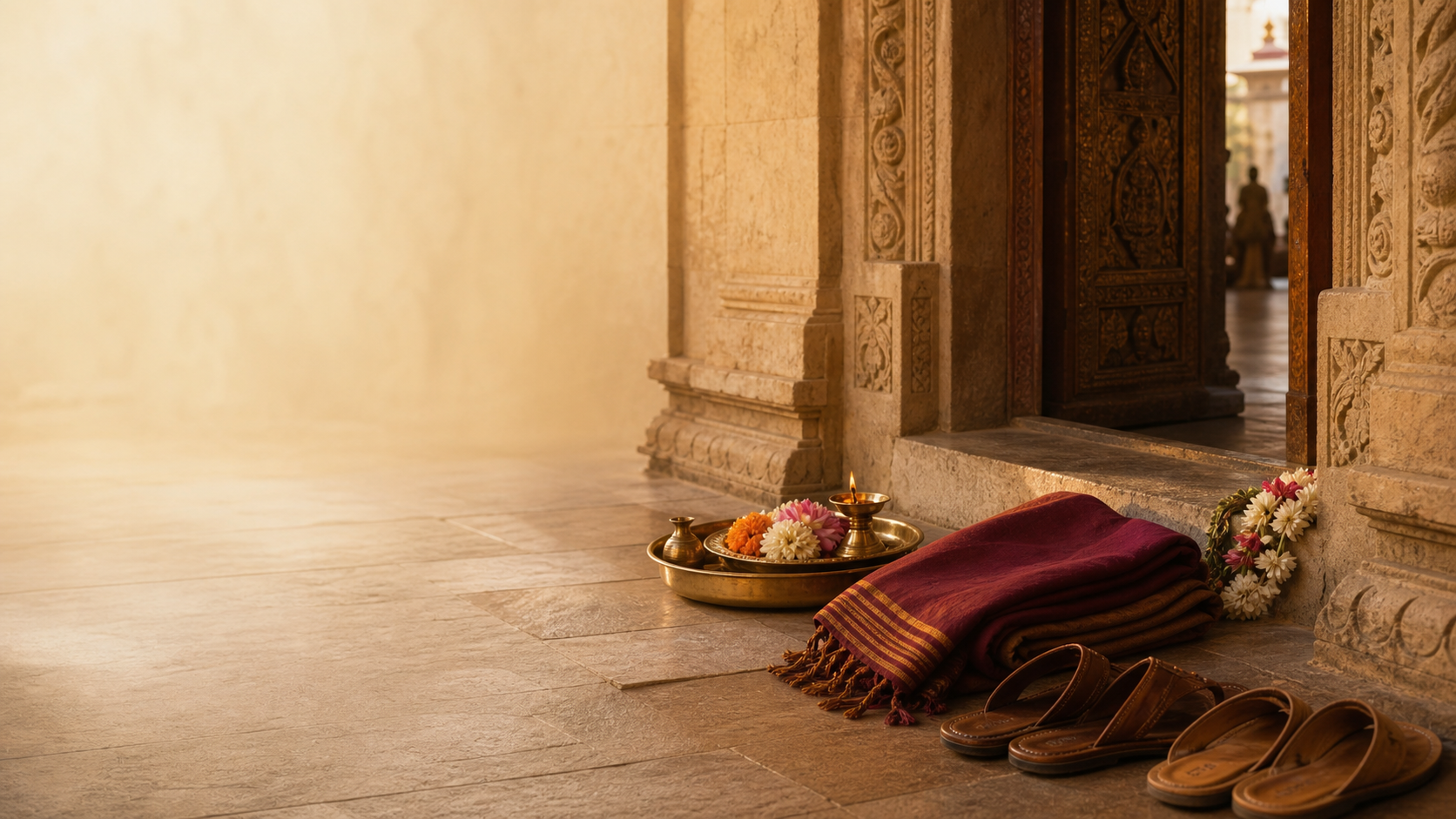
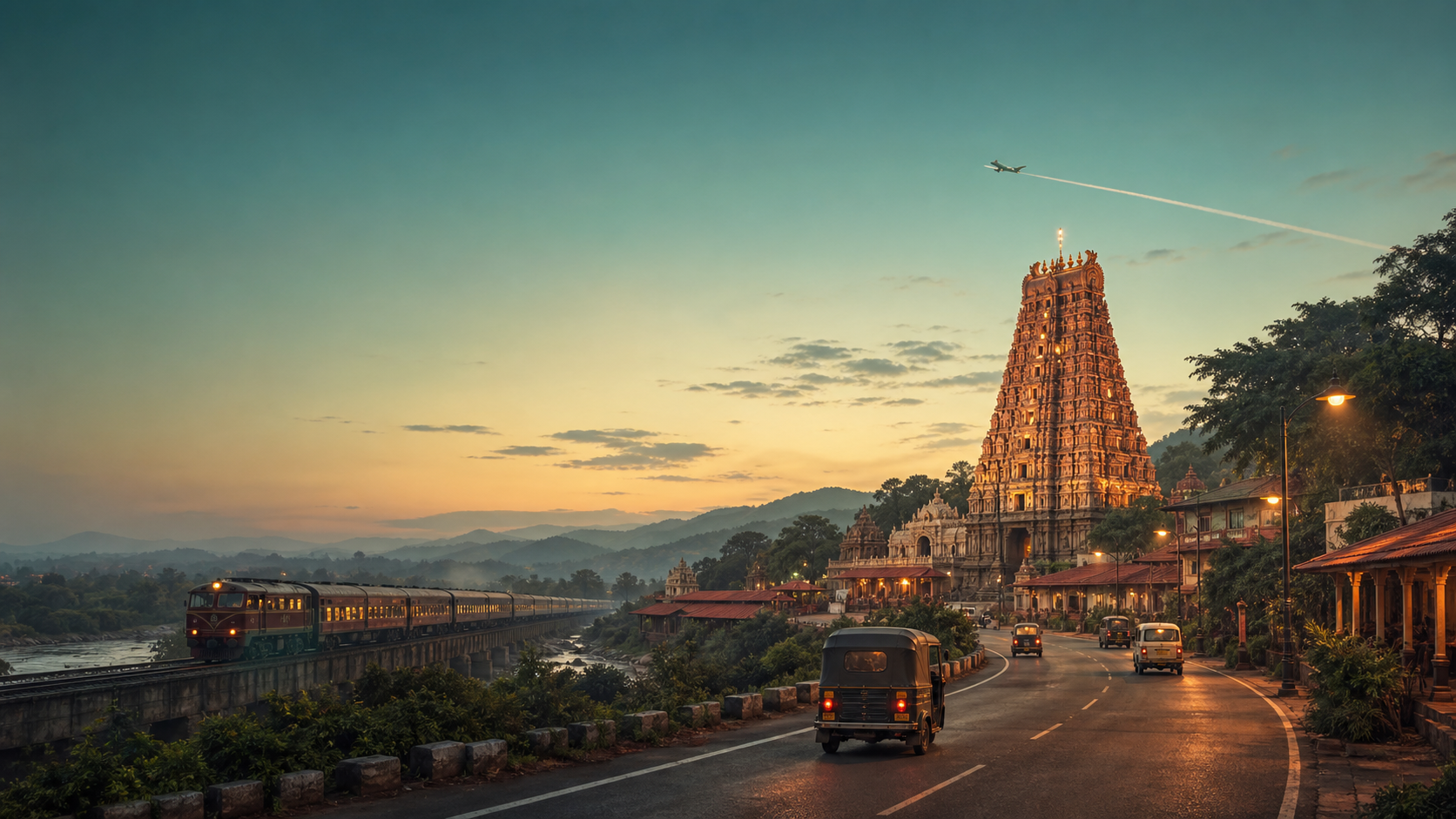
To ensure an enriching visit to the Meenakshi Temple, planning is essential. The best time to visit is typically from October to March, offering pleasant weather. Visitors are advised to wear modest clothing and remove footwear before entering the temple premises. While specific timings and entry details should be confirmed with the temple office, allocating a minimum of half a day is recommended to fully explore the vast complex. The temple is well-connected by various transport modes, including Madurai Junction Railway Station (1 km away) and Madurai International Airport (10 km away).
Essential Visitor Information
For current timings, entry procedures, and specific ritual schedules, it is advisable to contact the temple office directly. Modest dress and removal of footwear are mandatory.
Optimal Visit Period
The months of October to March are considered the best time for a visit, offering comfortable weather conditions for exploring the temple's extensive grounds and attending ceremonies.
| Deity | Meenakshi |
|---|---|
| Form | Meenakshi is depicted as Parvati, a warrior queen and divine ruler of Madurai. In her pre-marital form, she is shown with three breasts, later as the consort of Shiva. |
| Consort | Sundareswarar |
| Sampradaya | Hindu (Shaiva, Shakta, Vaishnava syncretic) |
| Significance | She holds a unique position as the sovereign ruler and primary deity of the temple, worshipped before Shiva. Her depiction with Shiva as her consort in a marital union, rather than an ascetic, highlights her central role in the temple's theology. |
Meenakshi's Reign and Divine Marriage
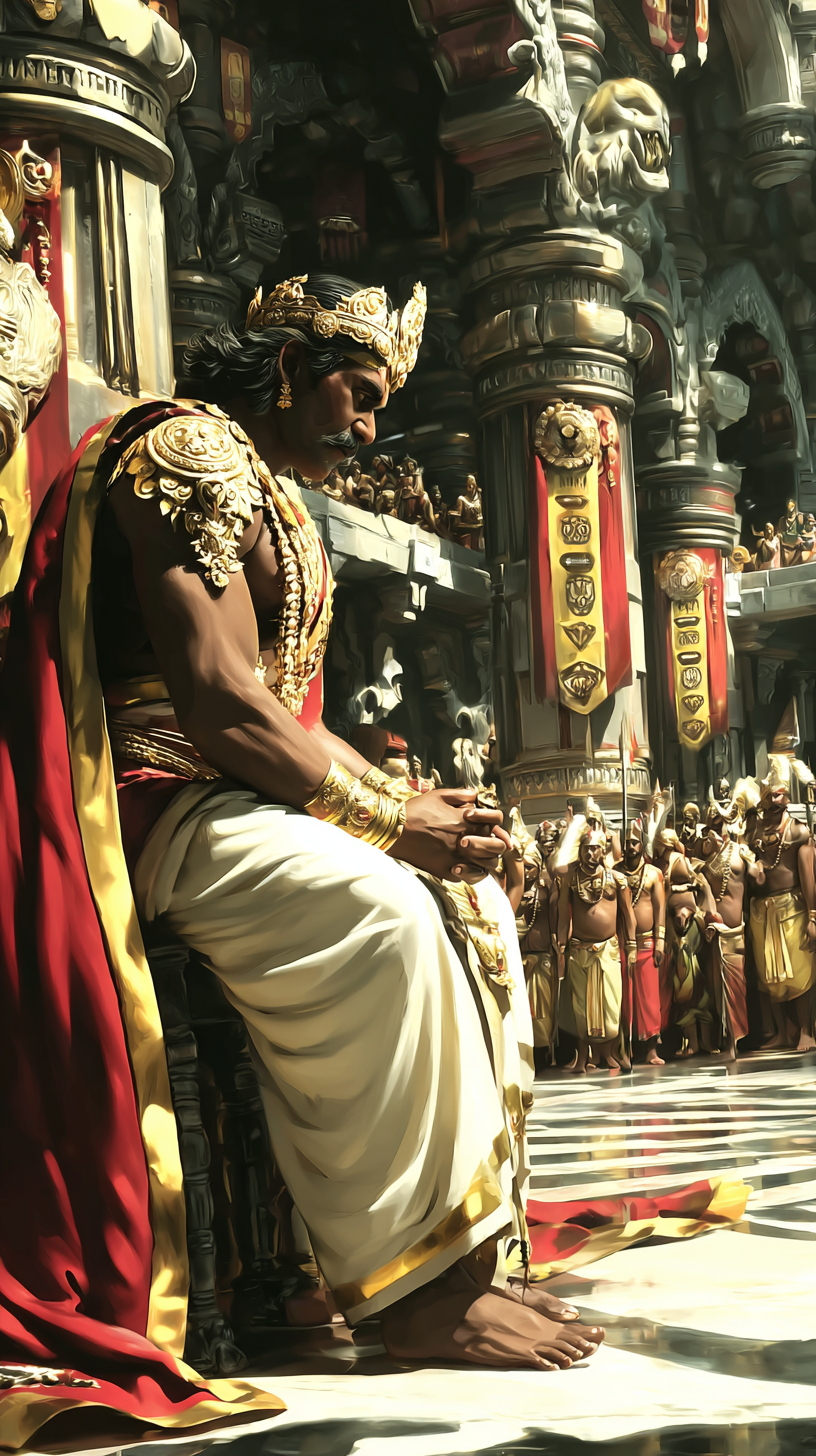
The divine daughter, named Tatatakai, grew to be a formidable warrior queen, ruling Madurai with unparalleled wisdom and strength. Her reign was one of peace and prosperity, her prowess known across kingdoms. One fateful day, as she prepared for battle, her path crossed with Lord Shiva, who appeared in the form of Sundareswarar. At that very instant, as their eyes met, the prophecy unfolded: her third breast miraculously disappeared. Recognizing her true divine form as Meenakshi, an incarnation of Goddess Parvati, she shed her warrior guise. A celestial wedding, Meenakshi Tirukalyanam, was then celebrated with immense splendor, attended by all the gods, uniting the divine couple forever.
In Madurai, the Goddess reigns supreme; Meenakshi, the sovereign queen, is worshipped before Shiva himself.
A synthesis of Dravidian grandeur, the Meenakshi Temple stands as a testament to centuries of devotion and architectural mastery.
Related temples: Aakkoor Thanthondreeswarar Temple | Abhaya Varadeeswarar Temple, Adirampattinam
A Legacy Etched in Stone: The Enduring History of Meenakshi Temple
The Meenakshi Temple's history spans from the 6th century CE, with its earliest references, to major expansions in the 17th century CE. The Pandya dynasty, particularly Sadayavarman Kulasekaran I in the 12th-13th century, initiated significant masonry work. Following destruction in the 14th century, the Vijayanagara Empire, under Kumara Kampana, undertook extensive reconstruction. The temple's current majestic form largely results from the Madurai Nayaks' prolific additions and renovations during the 16th and 17th centuries, making it a palimpsest of South Indian architectural history.
Pandya Foundations
The earliest surviving structures and gopuram constructions date back to the 12th-13th century CE, commissioned by the Pandya ruler Sadayavarman Kulasekaran I, establishing the temple's initial grandeur.
Nayak Expansions
The Madurai Nayaks were instrumental in the temple's extensive expansions and additions during the 16th-17th century CE, contributing many of the iconic structures seen today.
Divine Narratives: Meenakshi, Sundareswarar, and Sacred Lore
At the heart of the Meenakshi Temple's spiritual prominence lie the captivating narratives of Goddess Meenakshi and Lord Sundareswarar. The lore recounts Meenakshi's miraculous birth as Tatatakai, a three-breasted princess, whose third breast vanished upon meeting her destined husband, Lord Shiva. This divine encounter led to their celestial wedding, the Meenakshi Tirukalyanam, a pivotal event celebrated annually with immense fervor. These stories not only establish the deities' divine origins but also underscore the temple's unique status as the sacred site of their eternal union, making it a powerful center of devotion.
The Birth of Meenakshi
Queen Kanchanamalai and King Malayadhwaja Pandya's yajna led to the miraculous birth of a three-breasted daughter, Tatatakai, later known as Meenakshi, destined for a divine union.
The Celestial Wedding
Meenakshi's third breast disappeared upon meeting Lord Shiva (Sundareswarar), fulfilling a prophecy. Their subsequent celestial wedding, Meenakshi Tirukalyanam, is a central and celebrated event in the temple's mythology.
Cultural Impact
The Meenakshi Temple stands as an unparalleled fount of inspiration for Tamil culture, permeating various artistic and literary expressions for centuries. Its intricate sculptures and vibrant frescoes have served as a visual lexicon for countless artists, influencing traditional painting styles and iconography. The divine narratives depicted within its walls, particularly those of Meenakshi and Sundareswarar, have been immortalized in devotional poetry, such as the *Tiruvilaiyadal Puranam*, and have inspired numerous musical compositions and dance forms like Bharatanatyam. The temple's architectural grandeur and spiritual essence are deeply woven into the fabric of Tamil art, making it a living museum that continuously fuels creative endeavors and preserves the rich aesthetic traditions of the region.
Beyond its artistic influence, the Meenakshi Temple profoundly shapes the social and economic landscape of Madurai, acting as a pivotal center for community life and a significant driver of local identity. It is not merely a place of worship but a vibrant hub where festivals like the Chithirai Festival attract millions, fostering communal harmony and reinforcing cultural bonds. The temple's immense popularity as a pilgrimage site and tourist destination provides substantial economic benefits, supporting local businesses, artisans, and hospitality services. For the people of Tamil Nadu, the Meenakshi Temple is more than just an ancient structure; it is a powerful symbol of their heritage, resilience, and unwavering faith, embodying the spirit and pride of Tamil civilization.
🗺 How to Reach
Hover a card to animate the journey on the map
Route to Madurai
Common Questions
Where is Meenakshi Temple: Madurai's Ancient Dravidian Marvel located?
Meenakshi Temple: Madurai's Ancient Dravidian Marvel is documented at Tamil Nadu.
Which deity is associated with Meenakshi Temple: Madurai's Ancient Dravidian Marvel?
Meenakshi Temple: Madurai's Ancient Dravidian Marvel is associated with Meenakshi.
Related Temples


A Living Covenant