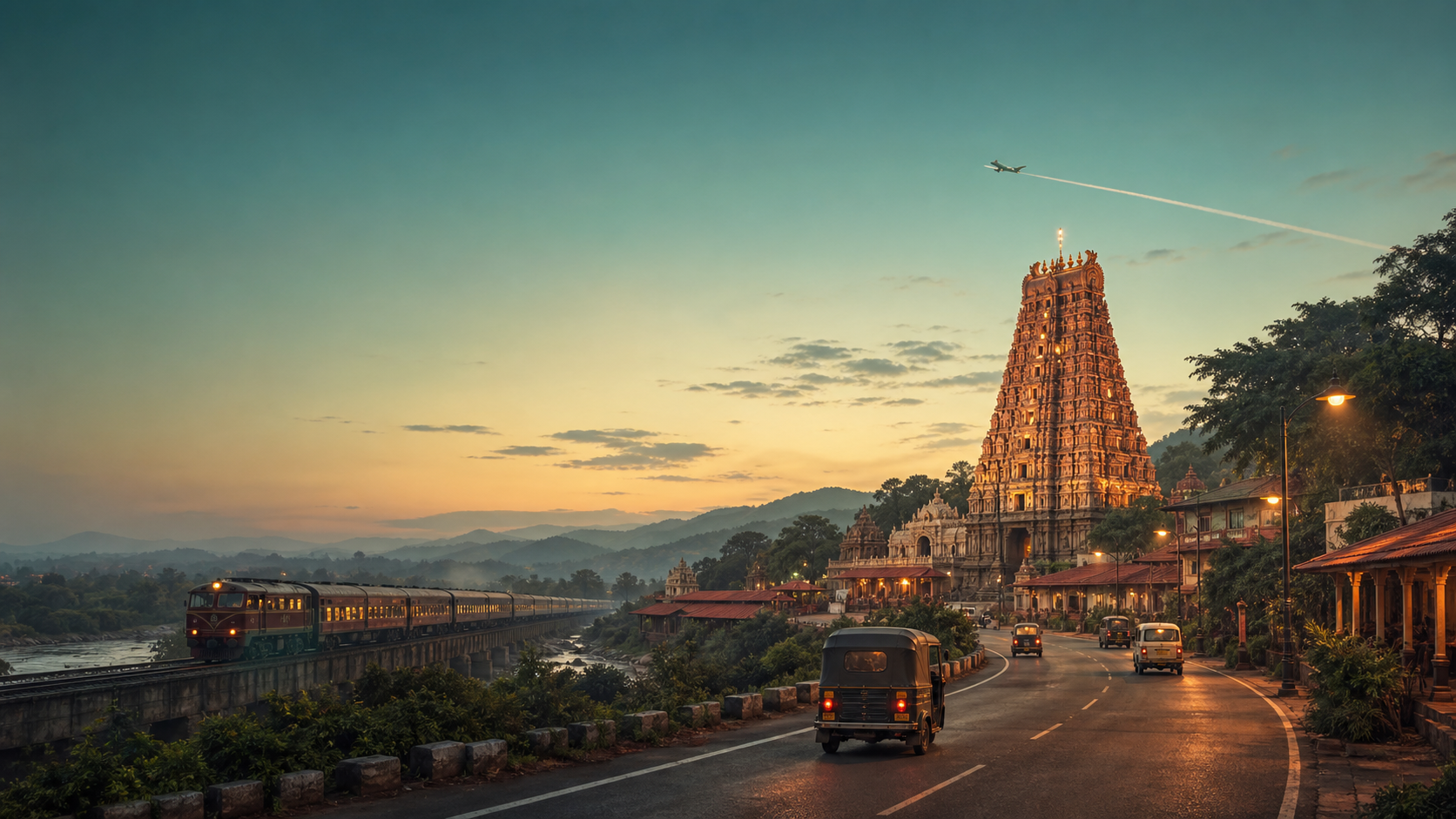
A complete pilgrim record drawn from the existing published article data.
Unearthing the Ancient Past of Masroor
The precise origins of the Masroor Temple complex remain largely speculative, contributing to its historical mystique. While architectural styles suggest a construction period between the 6th and 8th centuries CE, a definitive builder or dynasty is yet to be confirmed. Hypotheses often link its creation to the Gupta dynasty or post-Gupta rulers, given stylistic similarities. Early European explorers and archaeologists initially classified it as a Buddhist site due to certain iconography, a classification later debated as more evidence pointed towards a Hindu, primarily Shaiva, dedication. This ongoing scholarly discourse underscores the temple's complex historical narrative.
Dating and Patronage
Constructed between the 6th and 8th centuries CE, the temple's patron remains unknown, with the Gupta dynasty being a prominent hypothesis.
Early Classifications
Initial assessments by colonial-era scholars sometimes misidentified the site as Buddhist, based on certain sculptural elements.
Scholarly Debates
The true religious affiliation and historical context of Masroor continue to be subjects of academic discussion and research.
The Enigmatic Rock-Cut Marvel of Masroor
The Masroor Temple complex in Kangra, Himachal Pradesh, stands as a rare example of monolithic rock-cut architecture in the Himalayan region. Carved entirely from a single sandstone outcrop, it represents an extraordinary feat of ancient Indian engineering and artistry. This 6th-8th century CE complex, often referred to as the "Himalayan Pyramids," comprises a cluster of rock-cut temples, each meticulously sculpted to form a cohesive shrine. Its remote location and unique construction contribute to its enigmatic appeal, drawing scholars and devotees alike to ponder its origins and purpose.
Monolithic Construction
Unlike structural temples, Masroor is hewn directly from living rock, making it a singular example of its kind in North India.
Himalayan Setting
Perched amidst the Kangra Valley, the temple offers panoramic views of the Dhauladhar range, enhancing its spiritual aura.
Architectural Uniqueness
Its design reflects a fusion of rock-cut tradition with the nascent Nagara style, demonstrating innovative architectural solutions.
Shiva, Buddhism, and the Spiritual Tapestry of Masroor
While the Masroor Temple complex is primarily dedicated to Shiva, evidenced by the Shiva lingam in its main sanctum, its spiritual history is multifaceted. Early scholarly observations noted certain iconographic elements, such as Buddhist stupa-like structures and figures, leading to initial misclassifications. This blend of imagery suggests a period where Hindu and Buddhist traditions coexisted or influenced each other in the region. The presence of later installed icons of Rama, Sita, and Lakshmana further illustrates the evolving spiritual landscape and continuous reverence the site has commanded across different eras and denominations.
Primary Shaiva Dedication
The central shrine houses a Shiva lingam, indicating its principal dedication to Lord Shiva.
Buddhist Influences
Some sculptural elements and architectural forms have led scholars to suggest possible Buddhist influences or co-existence.
Evolving Worship
The later addition of Rama, Sita, and Lakshmana icons reflects the site's continued adaptation to changing devotional practices.
Planning Your Visit to Masroor Rock-Cut Temples
Visiting the Masroor Rock-Cut Temples offers a profound journey into India's ancient architectural and spiritual heritage. Located in the remote Kangra Valley, careful planning ensures a rewarding experience. The best time to visit is from October to June, avoiding the monsoon season. Modest dress is required, and footwear must be removed before entering the sanctum. While entry is free, visitors should allocate 2-3 hours to fully explore the complex and appreciate its intricate carvings and panoramic views. The site is an Archaeological Survey of India National Monument, emphasizing its historical significance.
Best Time to Visit
The ideal period for a visit is between October and June, offering pleasant weather and clear views.
Accessibility
The temple is reachable by road, with parking available, though public transport options might require transfers.
Visitor Guidelines
Observe modest dress codes and remove footwear in sacred areas to respect the site's sanctity.
| Deity | Shiva |
|---|---|
| Form | The main deity is Shiva, likely represented in an aniconic form such as a Lingam within the sanctum. A prominent anthropomorphic carving of Shiva also graces the eastern entrance. |
| Consort | Unknown |
| Sampradaya | Shaiva |
| Significance | As the primary deity of the Shaiva tradition, Shiva is revered as the supreme being, the destroyer of evil, and the transformer within the Hindu Trimurti. His presence signifies spiritual power and cosmic cycles. |
The Pandavas' Stairway to Heaven
In the ancient lands of the Jalandhar kingdom, during their arduous 13-year exile, the valiant Pandavas sought refuge. It is whispered that during their stay, they embarked on an extraordinary endeavor: to carve a magnificent temple from living rock and, in a single night, construct a stairway that would reach the very heavens. With divine determination, they labored tirelessly, their chisels echoing through the darkness. However, the celestial gods, perhaps wary of such mortal ambition, intervened. Lord Indra, fearing the completion of this audacious feat, mimicked the crow’s call of dawn, falsely signaling the break of day. Believing their time had run out, the Pandavas ceased their work, leaving the grand staircase forever unfinished, a testament to their miraculous effort and divine intervention. This sacred site, dedicated to Lord Shiva, thus bears the indelible mark of their legendary presence.
Carved from a single sandstone rock, a testament to ancient craftsmanship and unwavering devotion.
The Pandavas' unfinished stairway to heaven, a legend etched in stone, forever echoing tales of divine ambition and intervention.
Related temples: Aakkoor Thanthondreeswarar Temple | Aazhimala Shiva Temple
Carved in Stone: The Unique Architecture of Masroor
Masroor Temple is a prime example of early Nagara style architecture, uniquely executed in a monolithic rock-cut format. The entire complex, including its main shrine and subsidiary temples, is meticulously carved out of a single, massive sandstone rock. This innovative approach allowed for intricate detailing of Shikharas, mandapas, and sculptural panels directly from the living stone. A distinctive feature is its northeast-facing orientation, diverging from the conventional east or west alignment of most Hindu temples. The facades are adorned with elaborate carvings depicting deities, mythical creatures, and narrative scenes, showcasing the exceptional skill of its ancient artisans.
Nagara Style in Rock
The temple exhibits characteristics of the Early Nagara style, adapted to monolithic rock-cut construction, a rare combination.
Sculptural Richness
Intricate carvings of gods, goddesses, apsaras, and decorative motifs adorn the temple walls and pillars.
Unique Orientation
Unlike most temples, Masroor faces northeast, a peculiar alignment that has intrigued archaeologists and historians.
Restoration and Conservation Efforts
The preservation of the Masroor Rock-cut Temple presents a unique set of challenges, stemming from its ancient origins and monolithic construction. Carved directly into sandstone, the temple complex is susceptible to natural weathering processes, including erosion from wind and rain, as well as biological growth like moss and lichen that can degrade the rock surface. Furthermore, its location in the seismically active Kangra region means it has endured numerous earthquakes over centuries, leading to cracks and structural instability. The intricate carvings and delicate sculptures require specialized conservation techniques that respect the original material and artistic intent, making it a complex task to repair damage without altering its historical character. Early interventions often lacked modern scientific understanding, sometimes causing more harm than good, underscoring the critical need for meticulous archaeological assessments before any restoration work commences. Recognizing its immense historical and architectural significance, the Archaeological Survey of India (ASI) has undertaken sustained efforts to conserve and protect the Masroor Temple. These conservation initiatives involve a multi-faceted approach, including structural consolidation to reinforce weakened areas, chemical treatment to clean surfaces and inhibit biological growth, and improved drainage systems to mitigate water ingress, a major cause of deterioration. Regular monitoring of the temple's condition, using advanced surveying techniques, helps in identifying potential threats and planning timely interventions. The goal is not merely to repair but to preserve the temple's integrity for future generations, balancing the need for structural stability with the aesthetic and historical authenticity of this remarkable monument. These ongoing efforts are crucial in safeguarding Masroor's legacy as a testament to ancient Indian rock-cut architecture.🗺 How to Reach
Hover a card to animate the journey on the map
Route to Temple
Common Questions
Where is Masroor Temple: Himachal's Rock-Cut Wonder located?
Masroor Temple: Himachal's Rock-Cut Wonder is documented at Kangra, Himachal Pradesh.
Which deity is associated with Masroor Temple: Himachal's Rock-Cut Wonder?
Masroor Temple: Himachal's Rock-Cut Wonder is associated with Shiva.
Related Temples

A Living Covenant