



A complete pilgrim record drawn from the existing published article data.

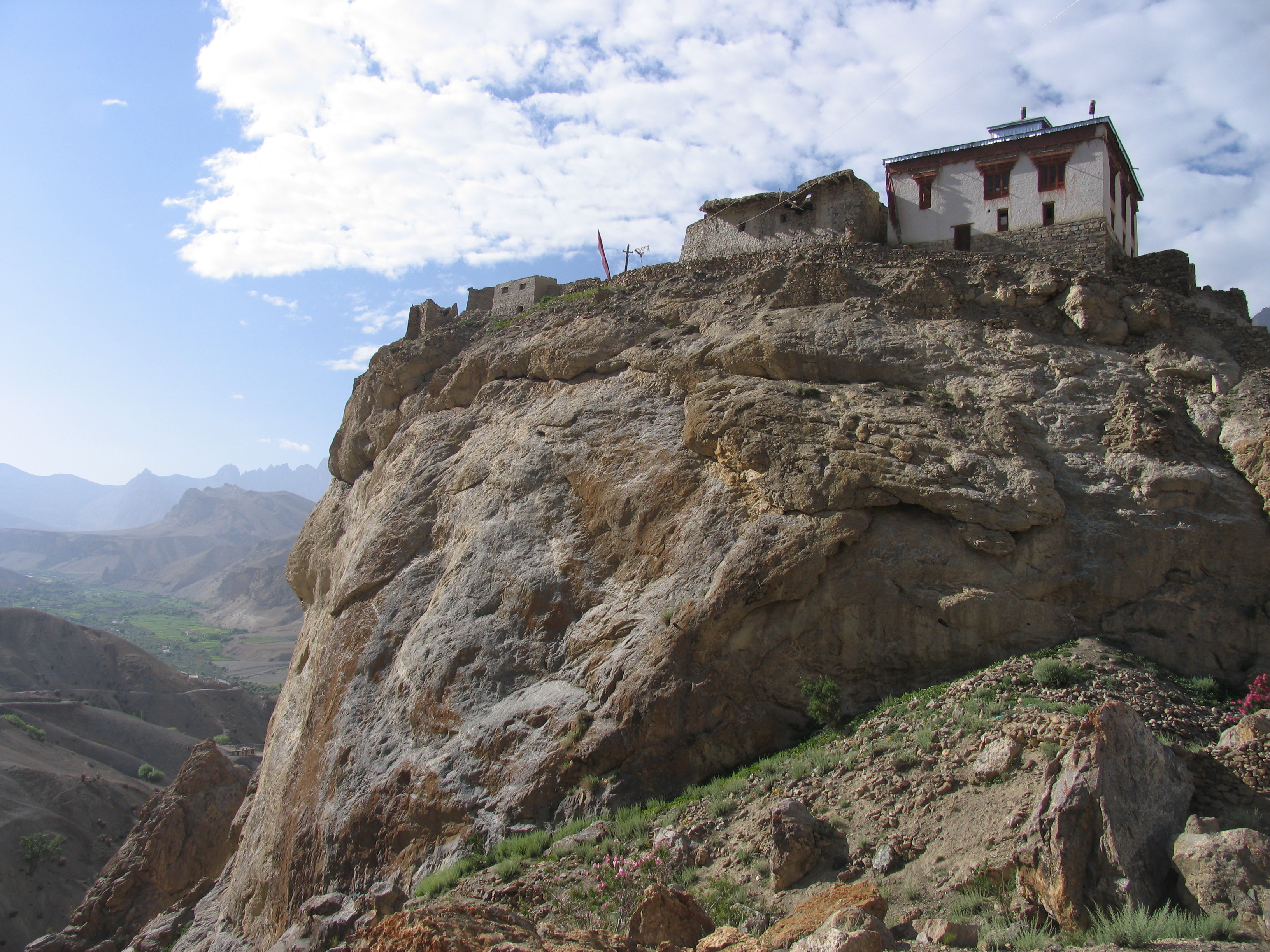
The majestic Hemis Monastery, an architectural marvel set against the rugged Ladakhi landscape.
Historical Foundation
A Glimpse Through Time
The Namgyal Legacy
Dispelling Legends: The 'Lost Years of Jesus' Controversy
Definition: Apocryphal Text
An apocryphal text is a writing or story of doubtful authenticity, often appearing in religious contexts. The 'Life of Saint Issa' is widely considered an apocryphal and fabricated text by scholars.
"The entire story [of Jesus in India at Hemis] was invented by Notovitch, who earned a good deal of money and a substantial amount of notoriety for his hoax."
— Bart D. Ehrman, Bible Scholar
Key Takeaway: Hemis's Authenticity
Hemis Monastery's rich history is rooted in genuine Buddhist traditions, not sensationalized and discredited narratives. Its true value lies in its profound spiritual heritage and artistic legacy.
Architecture & Craftsmanship

The central courtyard of Hemis Monastery, often filled with monks and devotees during sacred festivals.
Structural Grandeur and Sacred Spaces
Definition: Gompa & Chorten
A Gompa (Tibetan: དགོན་པ་) is a Buddhist monastic fortress, temple, or learning centre in Tibet and the Himalayan regions. A Chorten (Tibetan: མཆོད་རྟེན་) is a stupa in Tibetan Buddhism, a mound-like or hemispherical structure containing relics, used as a place of meditation.
Artistic Masterpieces: Murals & Sculptures
"Hemis Monastery stands as a vibrant canvas, where centuries of spiritual devotion are etched into every mural and consecrated into every sacred statue."

Intricate 17th-century murals depicting the Eighty-Four Mahasiddhas, a unique artistic treasure at Hemis.
The Presiding Deity
Deity Profile: Guru Rinpoche (Padmasambhava)
- Main Deity: Padmasambhava
- Deity Form: Guru Rinpoche ('Precious Master')
- Spiritual Significance: Considered the founder of Tantric Buddhism in Tibet, a master who subdued negative forces and propagated the Dharma.
- Tradition: Vajrayana Buddhism, particularly central to the Nyingma and Drukpa Kagyu lineages.
- Iconography: Often depicted holding a vajra in his right hand and a skull cup in his left, with a trident staff (khatvanga) resting in his left arm, symbolizing his mastery over spiritual powers.
The Pantheon of Hemis
Drukpa Kagyu Lineage Seat
Festivals & Living Traditions
The Hemis Festival: A Grand Spectacle
Definition: Cham Dance & Thangka
Cham (Mask Dance): A lively and ritualistic dance performed by monks in Tibetan Buddhism to subdue evil spirits and impart religious instruction. A Thangka: A painted or embroidered Tibetan Buddhist banner depicting a deity, scene, or mandala, typically unfurled during festivals.
Music and Dance Traditions
Over 150,000 visitors attend Hemis Monastery annually, with numbers surging significantly during the Hemis Festival, making it one of Ladakh's most popular cultural events.
Daily Rituals
Plan Your Visit
Best Time and Duration
Pro-Tip: Acclimatization is Key
Ladakh is at a high altitude. Spend at least 1-2 days acclimatizing in Leh before undertaking extensive travel to monasteries like Hemis to avoid altitude sickness.
Getting There
- Nearest City: Leh (approx. 45 km)
- Nearest Airport: Kushok Bakula Rimpochee Airport, Leh (IXL)
- Nearest Railway: There is no functional railway station in Ladakh. The nearest major station is Jammu Tawi (approx. 700 km, via road).
- Road Access: Hemis is accessible by road from Leh via the Leh-Manali Highway. Taxis and shared cabs are readily available from Leh.
Hemis is located just 45 km from Leh, making it an easy day trip for visitors staying in the capital of Ladakh.
Visitor Guidelines and Nearby Attractions
When visiting Hemis, remember to observe local customs:
- Modest dress is required; cover your shoulders and knees.
- Photography is restricted inside prayer halls and during rituals. Always ask for permission or observe signage.
- Remove footwear before entering shrines.
Related temples: Ajanta Caves | Articles on Early and Later Western Indian Caves [Part 1
Sacred Stories & Mythology
Guru Rinpoche's Meditation and Subjugation of Spirits
According to the Sthala Purana (origin legend), Hemis is considered a particularly sacred site because Guru Rinpoche (Padmasambhava) himself meditated here. During his arduous 8th-century mission to establish Buddhism in Tibet and the trans-Himalayan region, he encountered fierce resistance from local indigenous spirits and deities. It is believed that at Hemis, Guru Rinpoche successfully subdued these local spirits, transforming them into protectors of the Dharma. This mythological event imbued the location, especially its position on the Indus River bank, with significant spiritual potency, paving the way for the later establishment and flourishing of the monastery as a major Drukpa center.
Manifestation of Blessings
Pro-Tip for Cultural Immersion
To fully appreciate the spiritual depth of Hemis, read up on the life and legends of Guru Rinpoche before your visit. This will enrich your understanding of the monastery's central deity and its mystical significance.
Saints, Poets & Devotees
The Footprints of Guru Rinpoche
Miracles and Folk Beliefs

A monk at Hemis Monastery, embodying centuries of monastic tradition and devotion.
Records, Marvels & Heritage
Hemis Monastery holds a special place in the annals of Ladakhi history and spiritual heritage, distinguished by several unique features and records.
Largest and Wealthiest in Ladakh
The Marvel of the Eighty-Four Mahasiddhas

A vibrant thangka, a traditional Buddhist scroll painting, often displayed during special occasions at Hemis.
Protected Heritage and Modern Significance
"Hemis is more than a monastery; it is a repository of living culture, where ancient wisdom and vibrant traditions continue to inspire."
Astronomical Alignments
🗺 How to Reach
Hover a card to animate the journey on the map
Route to Hemis
Common Questions
Where is Hemis Monastery: Ladakh's Drukpa Jewel located?
Hemis Monastery: Ladakh's Drukpa Jewel is documented at Hemis, Himachal Pradesh.
Which deity is associated with Hemis Monastery: Ladakh's Drukpa Jewel?
Hemis Monastery: Ladakh's Drukpa Jewel is associated with Buddha.
Related Temples


A Living Covenant