A complete pilgrim record drawn from the existing published article data.

History & Foundation
Ancient Origins & Royal Patronage
The temple's origins trace back to ancient legends, with the first shrine attributed to King Indradyumna. The current magnificent structure was primarily commissioned in the 12th century CE by King Anantavarman Chodaganga Deva of the Eastern Ganga Dynasty. This period marked a golden age for Odishan temple architecture.
Inscriptions from Anantavarman Chodaganga Deva confirm his pivotal role in establishing this grand Vaishnava center. The site's sanctity predates this construction, rooted in the legend of Lord Jagannath's self-manifestation.

Later Renovations & Enduring Legacy
Over centuries, the temple underwent significant renovations and expansions under various rulers. Gajapati rulers and the Bhoi dynasty made substantial contributions, recording endowments and repairs. Modern management by the Shri Jagannath Temple Administration Committee continues its upkeep.
Archaeological studies by ASI in the 1950s and 60s confirmed the 12th-century foundations. The temple remains a living testament to continuous devotion and architectural evolution, despite coastal challenges. Approximately 20 million visitors annually attest to its enduring appeal.

Architecture & Deity
Kalinga Style & Grandeur
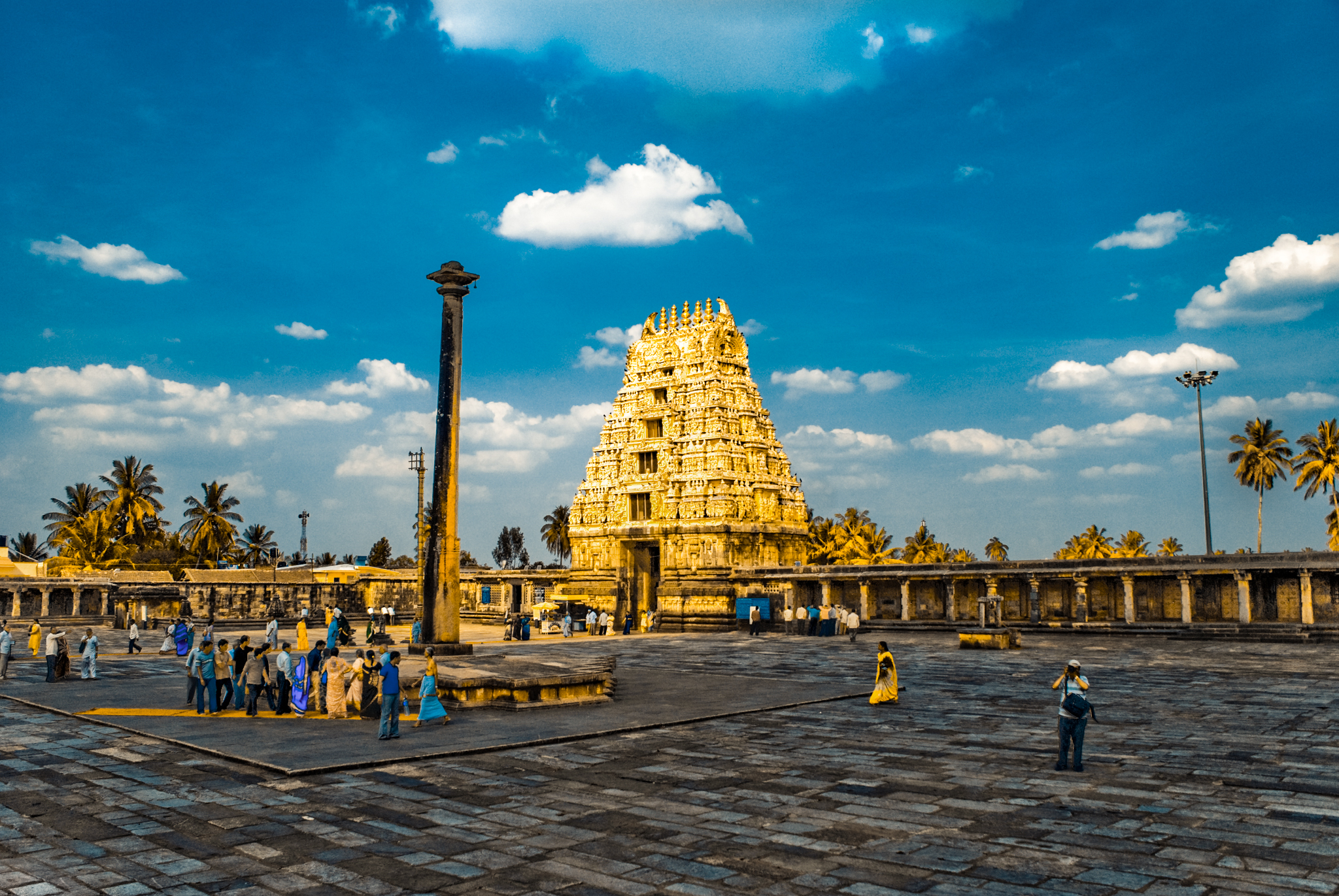
The Shri Jagannath Temple exemplifies the Kalinga architectural style, specifically the Rekha Deul (sanctum tower) and Bhadra Deul (assembly hall) sub-styles. Constructed primarily from chlorite, laterite, and sandstone, the complex spans approximately 400,000 sq ft. Its main vimana soars to 214 feet, making it one of India's tallest pre-16th century stone temples.
Key structural elements include the deul (vimana), jagamohana (mandapa), natamandira (dance hall), bhogamandapa (offering hall), and a massive prakara (enclosure wall). The temple is renowned for engineering marvels like its shadowless vimana and acoustically resonant garbhagriha. The Kalinga architectural style is unique.

Unique Deities & Iconography
At the heart of the temple are the unique wooden Daru idols of Jagannath, Balabhadra, and Subhadra. These non-anthropomorphic, large-eyed, stumpy-limbed forms are carved from sacred neem wood. They are ritually replaced every 12 to 19 years in the Nabakalebara ceremony, a tradition unparalleled in major Hindu temples.
Sculptural highlights include the Navagraha panel, Dikpalas on the jagamohana walls, and intricate friezes depicting erotic and mythological scenes. The Sudarshan Chakra finial (Neelachakra) atop the vimana is visible from afar, symbolizing the Lord's presence. "The Daru idols are not merely statues; they are living manifestations of the divine, renewed through sacred ritual."

Festivals & Traditions
Rath Yatra: The Chariot Festival

Daily Rituals & Mahaprasad
Visiting the Temple
Planning Your Pilgrimage
The best time to visit Puri is from October to March for pleasant weather, though experiencing Rath Yatra (June/July) offers an unparalleled immersive experience. Puri is well-connected, with Puri Railway Station within the complex perimeter and Biju Patnaik International Airport (Bhubaneswar) just 60 km away.
A minimum of two full days is suggested: one for darshan and rituals, and another for exploring the temple town or nearby sites like Konark Sun Temple. Consider a visit to the Konark Sun Temple for a complete architectural experience.

Important Guidelines & Etiquette
Visitors should note strict rules: non-Hindus are prohibited inside the main temple complex beyond the Lion Gate (Singha Dwar). Photography is strictly banned inside the sanctum and inner enclosures. Modest dress is mandatory, and footwear must be removed before entry.
The temple is a symbol of Odia cultural identity and continues to be a site of interfaith dialogue. Be prepared for crowds, especially during major festivals, and respect the local customs and traditions.
Sacred Stories
The Legend of Daru Brahma
The origin of Lord Jagannath is steeped in the Sthala Purana. Legend states that King Indradyumna, guided by a divine dream, discovered a log of neem wood (Daru) on the Puri seashore. This Daru was believed to be a manifestation of Vishnu himself. The king attempted to carve the deity, but divine intervention led to the miraculous appearance of the present forms.
This self-manifestation of Jagannath as a log, refusing to be moved until covered by sand, established the sanctity of Puri. The current temple was rebuilt after the original wooden structure decayed, perpetuating this ancient legend.

Puranic Connections & Miracles
The Jagannath cult is deeply intertwined with Puranic narratives, particularly those of Krishna's universal form (Vishvarupa). The Mahabharata also links to King Indradyumna. The temple is famed for several folk beliefs and miracles, including the vimana casting no shadow at any time of day, and the flag atop it always fluttering against the wind direction.
The Neelachakra, visible from miles away, is believed to grant liberation upon sight. Furthermore, the temple's Mahaprasad (food offerings) reportedly remain unspoiled for days despite the tropical climate. "Puri is not just a temple; it's a realm where the divine defies natural laws."

🗺 How to Reach
Hover a card to animate the journey on the map
Route to Shri Jagannath Temple, Puri: Lord of the Universe
Related Temples


A Living Covenant