A complete pilgrim record drawn from the existing published article data.
Tracing the Ancient Roots: The History of Koviladi Temple
The historical origins of the Koviladi temple are shrouded in antiquity, with its construction period largely unknown. While specific builders remain unconfirmed, the temple has undoubtedly witnessed patronage from various powerful South Indian dynasties over centuries. Its architectural style suggests influences from early Dravidian periods, with subsequent renovations and additions by later empires. The temple's enduring presence through different epochs underscores its continuous religious importance and the devotion of its patrons. It stands as a testament to the rich cultural and religious heritage of the region, having survived numerous historical shifts.
Patronage and Development
Though specific dynastic builders are not definitively recorded, the temple's architectural evolution points to patronage from various South Indian kingdoms. These dynasties likely contributed to its expansion and maintenance, reflecting their devotion to Vishnu and their cultural influence.
Historical Continuity
The Koviladi temple has maintained its religious significance over centuries, serving as a continuous center for worship. This continuity highlights its deep-rooted place in the spiritual landscape of Tamil Nadu, with rituals and traditions passed down through generations.
Dravidian Grandeur: The Architecture of Koviladi
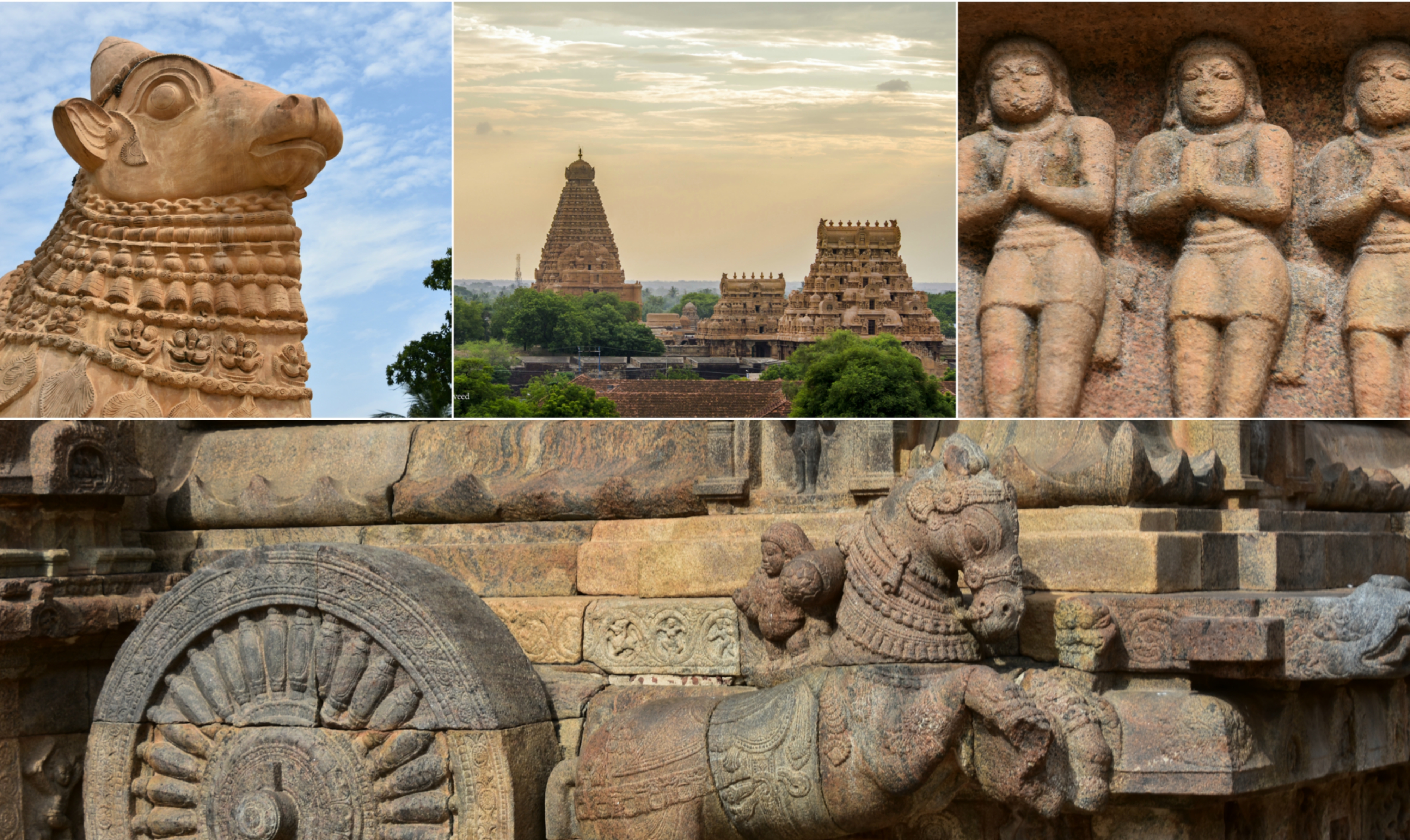
The Koviladi temple exemplifies the classic Dravidian architectural style, characterized by its towering _gopurams_, intricate carvings, and expansive _mandapams_. The temple complex is typically enclosed by high walls, with a primary _gopuram_ serving as the main entrance, adorned with sculptures depicting various mythological figures. Inside, pillared halls or _mandapams_ lead to the central sanctum, housing the main deity. The use of traditional materials and construction techniques reflects ancient South Indian temple building traditions. Every element, from the sculpted deities to the structural layout, is designed to facilitate worship and convey spiritual narratives, showcasing remarkable craftsmanship.
Gopurams and Mandapams
The temple features prominent _gopurams_ (entrance towers) that are typical of Dravidian architecture, often multi-tiered and richly sculpted. Inside, various _mandapams_ (halls) like the _maha mandapam_ and _ardha mandapam_ provide space for devotees and ceremonies, leading towards the central shrine.
Intricate Carvings
The walls, pillars, and ceilings of the temple are adorned with intricate carvings and sculptures. These depict deities, mythological scenes, and celestial beings, narrating Puranic stories and adding to the aesthetic and spiritual grandeur of the structure. The craftsmanship reflects the skill of ancient artisans.
Lord Vishnu and the Legends of Koviladi
At Koviladi, Lord Vishnu is worshipped as Appakkudathaan Perumal, depicted in a reclining posture. The temple is rich with associated myths and legends that imbue it with profound spiritual depth. One prominent legend recounts Lord Vishnu appearing before Upamanyu Maharishi and Markandeya, offering them divine nectar (Appam) from a pot, hence the name Appakkudathaan (one who holds the pot of Appam). This act symbolizes the Lord's boundless grace and provision for his devotees. The Puranic stories connected to Koviladi emphasize themes of divine intervention, devotion, and the granting of boons, reinforcing its status as a sacred pilgrimage destination.
Appakkudathaan Perumal
The presiding deity, Lord Vishnu, is uniquely revered here as Appakkudathaan Perumal. He is depicted in a reclining posture, holding a pot (Appa Kudam), symbolizing his role as the provider of sustenance and spiritual nourishment to his devotees.
Legend of Upamanyu and Markandeya
A key legend involves Lord Vishnu appearing to sages Upamanyu and Markandeya. He offered them divine _appam_ (a sweet dish) from a pot, demonstrating his compassion and fulfilling their wishes. This event is central to the temple's identity and the deity's name.
Experiencing Koviladi: A Visitor's Guide
Visiting Koviladi offers a profound spiritual experience. The temple is open from 6:00 AM to 12:30 PM and again from 4:00 PM to 9:00 PM, with free entry for all devotees. The best time to visit is between October and March, when the weather is pleasant. Traditional attire is preferred to maintain the sanctity of the shrine, and footwear must be removed before entering. A typical visit duration is 1–2 hours, allowing ample time for _darshan_ and exploring the temple complex. The temple is accessible by bus from Thiruvaiyaru and Thanjavur, and Thanjavur Junction is the nearest train station. Parking is available near the temple premises for those traveling by car.
Timings and Entry
The temple welcomes visitors during two main periods: 6:00 AM – 12:30 PM and 4:00 PM – 9:00 PM. Entry to the temple is free for all devotees, ensuring accessibility for everyone seeking blessings.
Travel and Accessibility
Koviladi is easily reachable. Regular local buses connect from Thiruvaiyaru Bus Stand (7 km), and state/private buses run from Thanjavur Bus Stand (25 km). Thanjavur Junction (25 km) is the closest major railway station. Parking is available near the temple.
Dress Code and Etiquette
Visitors are encouraged to wear traditional attire out of respect for the sacred space. Removing footwear before entering the temple premises is a customary practice. These guidelines help maintain the sanctity and spiritual atmosphere of the shrine.
| Deity | Vishnu |
|---|
Temple's Mythological Narrative
Specific mythological stories directly associated with the Koviladi temple are not available in the provided information. However, as a Vishnu temple, it embodies the broader narratives of Lord Vishnu, the preserver of the universe, and his various avatars who descend to restore cosmic balance and protect righteousness, inspiring devotion and spiritual reflection among its visitors.
Whenever dharma declines and adharma rises, I manifest Myself.
Lord Krishna (Bhagavad Gita)
Vishnu is the supreme reality, the ultimate source, and the sustainer of all existence.
Hindu Scriptures
Related temples: Aakkoor Thanthondreeswarar Temple | Abeyadana Temple
Introduction to Koviladi: A Sacred Abode of Vishnu
The Koviladi temple, also known as Appakkudathaan Perumal Temple, is a revered Hindu temple situated in Koviladi, Thanjavur district, Tamil Nadu. Dedicated to Lord Vishnu, it stands as a significant pilgrimage site for devotees of Vaishnavism. This ancient shrine is one of the 108 Divya Desams, the holy abodes of Vishnu glorified by the Alvars in their hymns. Its spiritual importance is deeply rooted in local traditions and Puranic narratives, attracting pilgrims seeking blessings and spiritual solace in its tranquil environment. The temple serves as a vibrant center for religious ceremonies and festivals throughout the year.
Location and Significance
Koviladi is nestled in the fertile plains of Tamil Nadu, specifically in the Thanjavur district. Its strategic location near the Cauvery River adds to its sanctity, with the river often considered holy by devotees. The temple's prominence stems from its inclusion in the Divya Desam canon.
Deity and Tradition
The primary deity worshipped here is Lord Vishnu, known as Appakkudathaan Perumal. The temple strictly follows the tenets of the Vaishnavite tradition, with daily rituals and prayers conducted according to the Vaikhanasa Agama. This adherence ensures the preservation of ancient customs and spiritual practices.
Modern Pilgrimage
Koviladi, despite its ancient origins, continues to be a vibrant center for modern Hindu pilgrimage, drawing devotees from across Tamil Nadu and beyond. The temple's strategic location on the banks of the Cauvery, coupled with its historical significance as one of the Divya Desams, ensures a steady stream of visitors seeking spiritual solace and blessings. Pilgrims often combine their visit to Koviladi with other prominent temples in the Thanjavur region, making it part of a larger spiritual circuit. Modern transportation has made the temple more accessible, allowing families and groups to undertake the journey with relative ease. Upon arrival, devotees engage in traditional rituals, including bathing in the Cauvery, offering prayers to Lord Appakkudathaan, and participating in special pujas, all while experiencing the serene and deeply spiritual atmosphere that has permeated this sacred site for centuries.
The experience of a modern pilgrim at Koviladi is a blend of timeless tradition and contemporary convenience. While the core rituals remain unchanged, amenities such as guesthouses, local eateries, and improved access roads cater to the needs of today's visitors. Information about the temple, its history, and festival schedules is increasingly available online, aiding pilgrims in planning their journey. Local communities play a crucial role in supporting the pilgrimage, offering services and maintaining the sanctity of the surroundings. Festivals like Vaikunta Ekadasi and Brahmotsavam witness a significant surge in devotees, transforming the quiet village into a bustling hub of religious fervor, demonstrating the enduring power and relevance of Koviladi as a cherished destination for spiritual seekers in the 21st century.
🗺 How to Reach
Hover a card to animate the journey on the map
Verified routes to Koviladi, Thanjavur
Common Questions
Where is Koviladi: Ancient Vishnu Shrine in Thanjavur located?
Koviladi: Ancient Vishnu Shrine in Thanjavur is documented at Thanjavur, Tamil Nadu.
Which deity is associated with Koviladi: Ancient Vishnu Shrine in Thanjavur?
Koviladi: Ancient Vishnu Shrine in Thanjavur is associated with Vishnu.