A complete pilgrim record drawn from the existing published article data.
Architectural Grandeur and Sacred Spaces: Design of Kottai Mariamman Temple
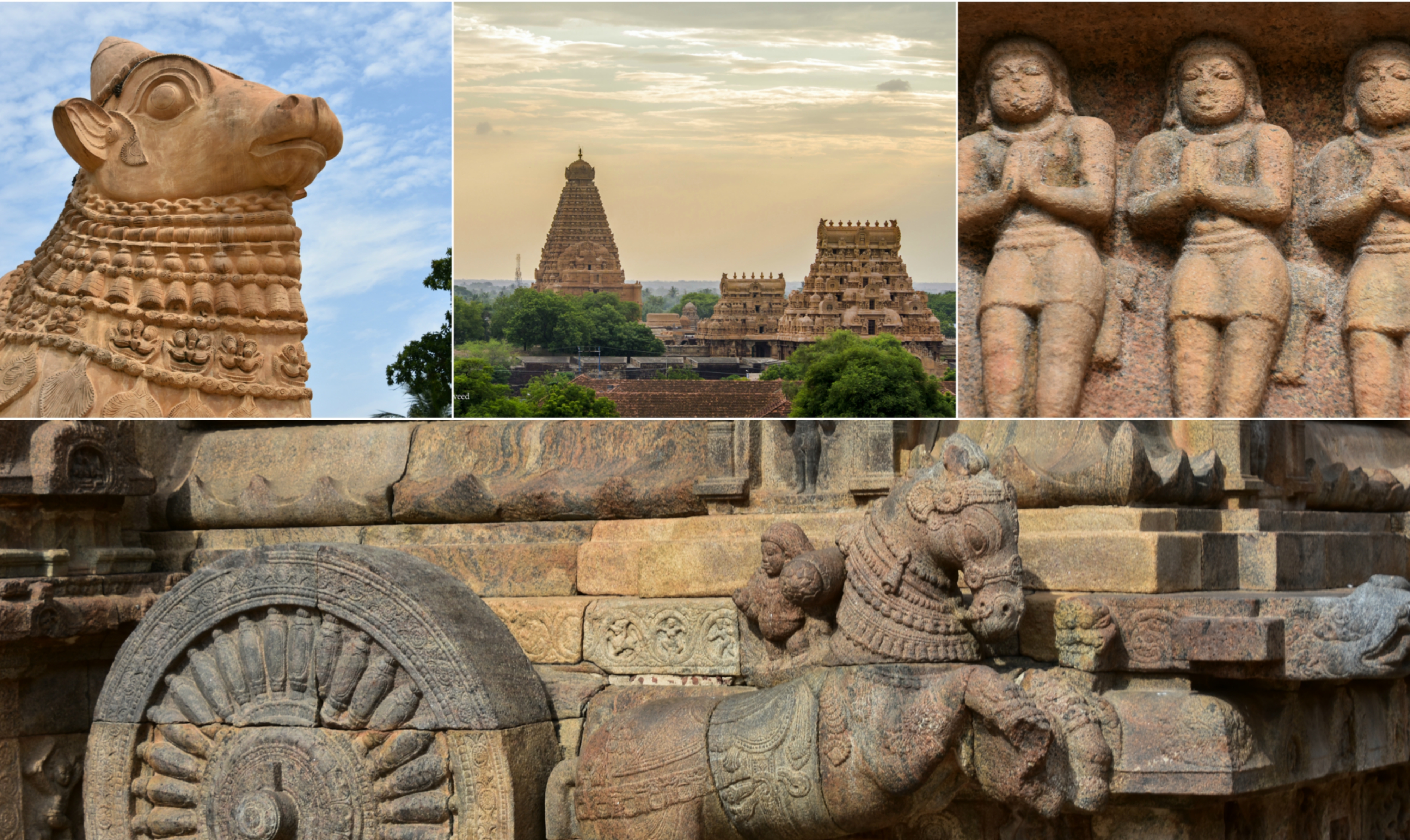
The Kottai Mariamman Temple showcases elements typical of traditional South Indian temple architecture, particularly the Dravidian style. Though specific material and style details are not extensively documented, its design likely incorporates features such as a gopuram (ornate tower), mandapams (pillared halls), and a sanctum sanctorum (garbhagriha) for the principal deity. Intricate carvings and sculptures depicting mythological scenes and divine figures would adorn its structures, reflecting the rich artistic heritage. The layout is purposefully designed to guide devotees through a sacred journey, culminating in the darshan of Mariamman.
Dravidian Architectural Features
Characteristic features like multi-tiered towers, sculptured pillars, and enclosed courtyards are expected, defining its visual and structural identity.
Intricate Artistry
The temple's surfaces likely feature detailed carvings of deities, mythical creatures, and narrative panels, integral to the aesthetic and spiritual experience.
Symbolic Layout
The temple's design follows a traditional cosmic plan, with specific areas designated for various rituals and the main shrine positioned for optimal spiritual energy.
Cultural Impact and Community Life
The Kottai Mariamman Temple holds a profound cultural significance for the people of Dindigul, extending far beyond its primary religious functions. It serves as a central pillar of community identity, particularly during the annual Panguni festival, which transforms the entire town into a vibrant hub of devotion and celebration. This festival, marked by elaborate rituals, processions, and cultural performances, draws not only local residents but also devotees from surrounding districts, fostering a strong sense of collective belonging and shared heritage. The temple's presence has historically shaped the social fabric of Dindigul, influencing local customs, traditions, and even the rhythm of daily life, making it an indispensable part of the city's cultural landscape. Beyond major festivals, the temple continuously influences local arts, crafts, and social practices within Dindigul. Many local artisans create religious paraphernalia, idols, and decorative items specifically for offerings or temple adornment, thereby sustaining traditional craftsmanship and providing livelihoods. The temple also acts as a venue for various community gatherings, spiritual discourses, and charitable activities, reinforcing social bonds and promoting ethical values among its devotees. Its legends and stories are deeply woven into local folklore, passed down through generations, enriching the cultural narrative of Dindigul and ensuring the preservation of unique regional customs.Planning Your Pilgrimage: A Visitor's Guide to Kottai Mariamman Temple
For those planning a visit to the Kottai Mariamman Temple, the temple is open daily from 6:00 AM to 12:30 PM and again from 4:00 PM to 9:00 PM. Entry is free for all visitors. The period from October to March is considered the best time to visit, offering pleasant weather. Traditional attire is preferred as a sign of respect, and footwear must be removed before entering the temple premises. A typical visit duration is 1-2 hours, allowing ample time for darshan and experiencing the temple's serene atmosphere.
Accessibility and Transport
The temple is easily accessible within Dindigul, with the bus stand 1-2 km away and the railway station (DG) 2-3 km away. Madurai International Airport (IXM) is approximately 70 km distant.
Dress Code and Etiquette
Modest and traditional clothing is encouraged. Visitors should respectfully remove their footwear before entering the temple. Photography rules may apply in certain areas.
Facilities and Parking
While entry is free, parking is available near the temple premises. Basic amenities are usually found nearby to assist pilgrims.
| Deity | Mariamman |
|---|---|
| Form | Manifestation of Shakti, the divine feminine energy |
| Consort | None specified in tradition |
| Sampradaya | Hindu |
| Significance | Revered as the goddess of rain, fertility, and protection, she is believed to cure diseases and bestow prosperity upon her devotees. |
The Benevolent Mother's Healing Touch
Mariamman, the revered Mother Goddess, is widely worshipped for her power to protect against diseases and bestow good health. Legends speak of her fierce yet compassionate nature, where she takes on various forms to alleviate the suffering of her devotees. Many believe that by offering prayers and performing rituals, especially during times of illness, she grants miraculous cures and ensures the well-being of families. Her devotees seek her blessings for rain, fertility, and protection from all adversities, trusting in her divine ability to restore balance and harmony.
May the divine Mother Mariamman protect us from all ailments and bless us with prosperity and well-being.
In the heart of Dindigul, the Devi's presence brings solace and strength to all who seek her grace.
Related temples: Aakkoor Thanthondreeswarar Temple | Abhaya Varadeeswarar Temple, Adirampattinam
The Enduring Legacy: A Historical Overview of Kottai Mariamman Temple
While specific records detailing the exact construction date, dynasty, or builder of the Kottai Mariamman Temple remain unknown, its presence is deeply woven into the historical fabric of Dindigul. The temple's appellation, "Kottai," suggests a long-standing association with the Dindigul Fort, implying its existence during periods when the fort was a strategic stronghold. It has likely undergone various renovations and expansions over centuries, reflecting the continuous devotion of generations. Its enduring existence underscores its significance as a spiritual anchor for the community, witnessing the ebb and flow of regional history.
Origins and Early Mentions
Though precise origins are unrecorded, the temple's name links it to the ancient Dindigul Fort, suggesting its establishment predates significant historical documentation.
Periods of Development
Over time, the temple has undoubtedly seen phases of architectural enhancement and restoration, driven by the patronage of local rulers and the collective efforts of devotees.
Continuous Worship
Despite the lack of specific historical timelines, the uninterrupted tradition of worship signifies its profound and lasting spiritual importance to the region.
Kottai Mariamman Temple: An Introduction to Dindigul's Sacred Heart
The Kottai Mariamman Temple stands as a prominent and revered Hindu shrine in Dindigul, Tamil Nadu. Dedicated to the goddess Mariamman, a powerful manifestation of the divine mother, this temple is central to the spiritual life of the region. Its name, "Kottai," meaning fort, alludes to its historical connection to the Dindigul Fort. The temple serves as a vital cultural landmark, drawing devotees seeking blessings and solace. It embodies the rich devotional traditions of South India, celebrating the goddess as a protector and bestower of prosperity.
Location and Significance
Situated in the heart of Dindigul, the temple's accessible location makes it a focal point for daily worship and special occasions. It holds deep spiritual value for the local community.
The Deity: Mariamman
Mariamman, the presiding deity, is revered as the goddess of rain and fertility, and a protector against diseases. Her worship is integral to local customs and beliefs.
The Divine Mother: Mariamman and Her Significance at Kottai Temple
Mariamman, the revered principal deity of the Kottai Mariamman Temple, is a significant goddess in South Indian Hinduism, primarily worshipped as the goddess of rain, fertility, and protection from disease. Her mythological origins often link her to Parvati or Durga, embodying fierce maternal power. At Kottai Temple, she is venerated in a specific form that is deeply cherished by local devotees, who believe she actively intervenes in their lives, granting health and prosperity. Her worship involves unique rituals and offerings, reflecting her status as a powerful folk deity integrated into mainstream Hindu practices.
Mythological Lineage
Mariamman is often seen as an incarnation of Shakti, the divine feminine energy, and is associated with deities like Renuka Devi, emphasizing her ancient roots.
Forms of Worship
Devotees engage in various forms of veneration, including offering pongal (sweet rice), lighting lamps, and performing abhishekam (ritual bathing), seeking her blessings.
Cultural Importance
Her veneration extends beyond religious rites, influencing local traditions, festivals, and the collective cultural identity of Dindigul and surrounding areas.
🗺 How to Reach
Hover a card to animate the journey on the map
Verified routes to Kottai Mariamman Temple, Dindigul
Common Questions
Where is Kottai Mariamman Temple: Dindigul's Sacred Shakti Shrine located?
Kottai Mariamman Temple: Dindigul's Sacred Shakti Shrine is documented at Madurai, Tamil Nadu.
Which deity is associated with Kottai Mariamman Temple: Dindigul's Sacred Shakti Shrine?
Kottai Mariamman Temple: Dindigul's Sacred Shakti Shrine is associated with the temple.