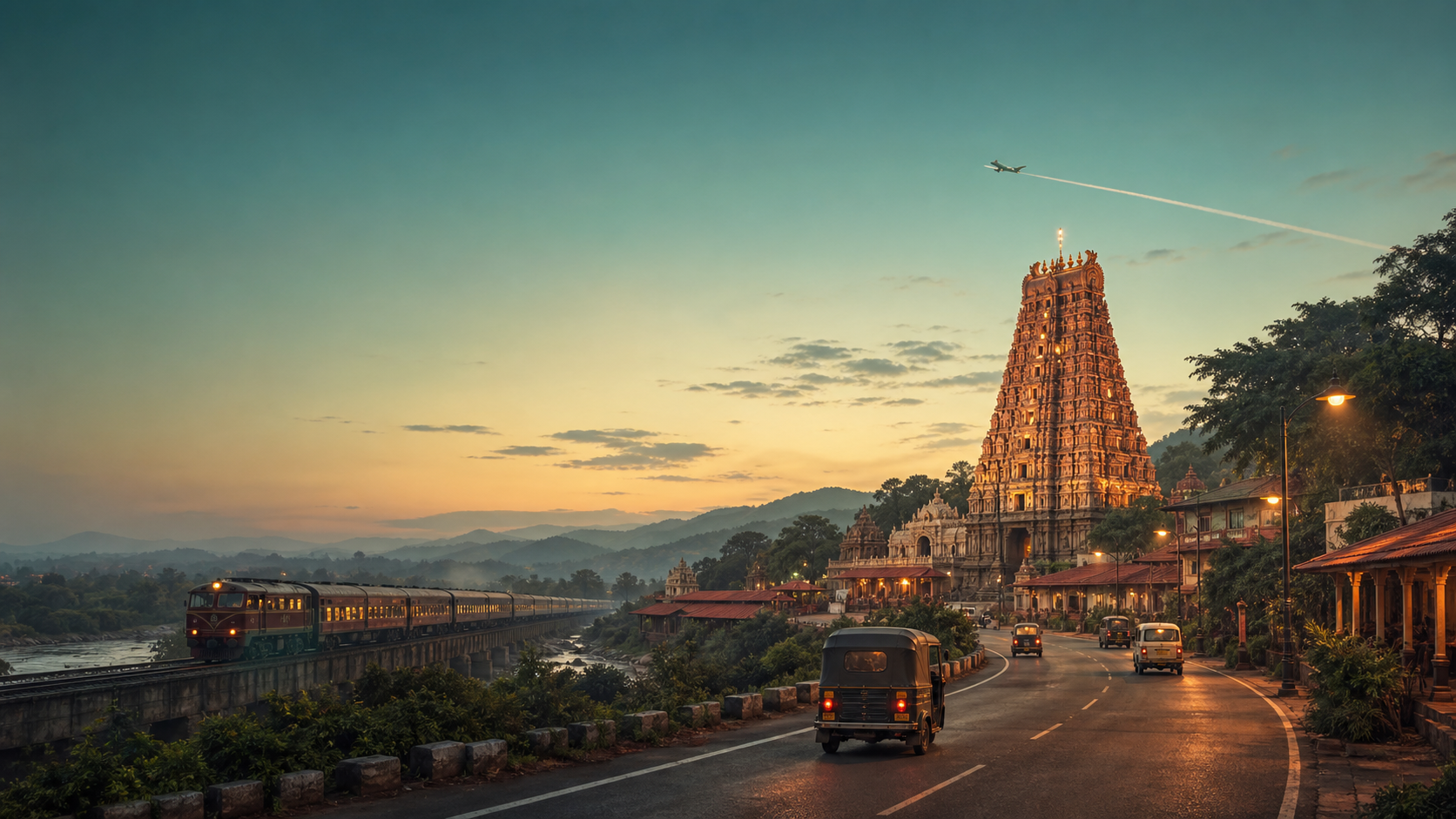
A complete pilgrim record drawn from the existing published article data.
Tracing the Legacy: The History of Kothandaramar Temple
The historical origins of the Kothandaramar Temple are shrouded in the mists of time, with its builder and the specific dynasty under which it was constructed remaining unknown. Despite this, the temple's existence for more than 150 years attests to its enduring legacy and continuous patronage by devotees. Its architecture reflects the traditional Dravidian style, suggesting a rich cultural heritage. Over generations, the temple has served as a focal point for the Vaishnava tradition, preserving ancient rituals and stories associated with Lord Rama.
Origins and Age
The temple's exact founding date and initial builder are unknown, but it has stood for over 150 years, indicating a long history.
Builders and Patrons
The specific dynasty or individuals responsible for its initial construction and early patronage are not documented.
Historical Context
Though specific historical records are scarce, the temple's age and Dravidian style place it within a rich tradition of South Indian temple building.
Architectural Marvel: Dravidian Splendor of Kothandaramar Temple
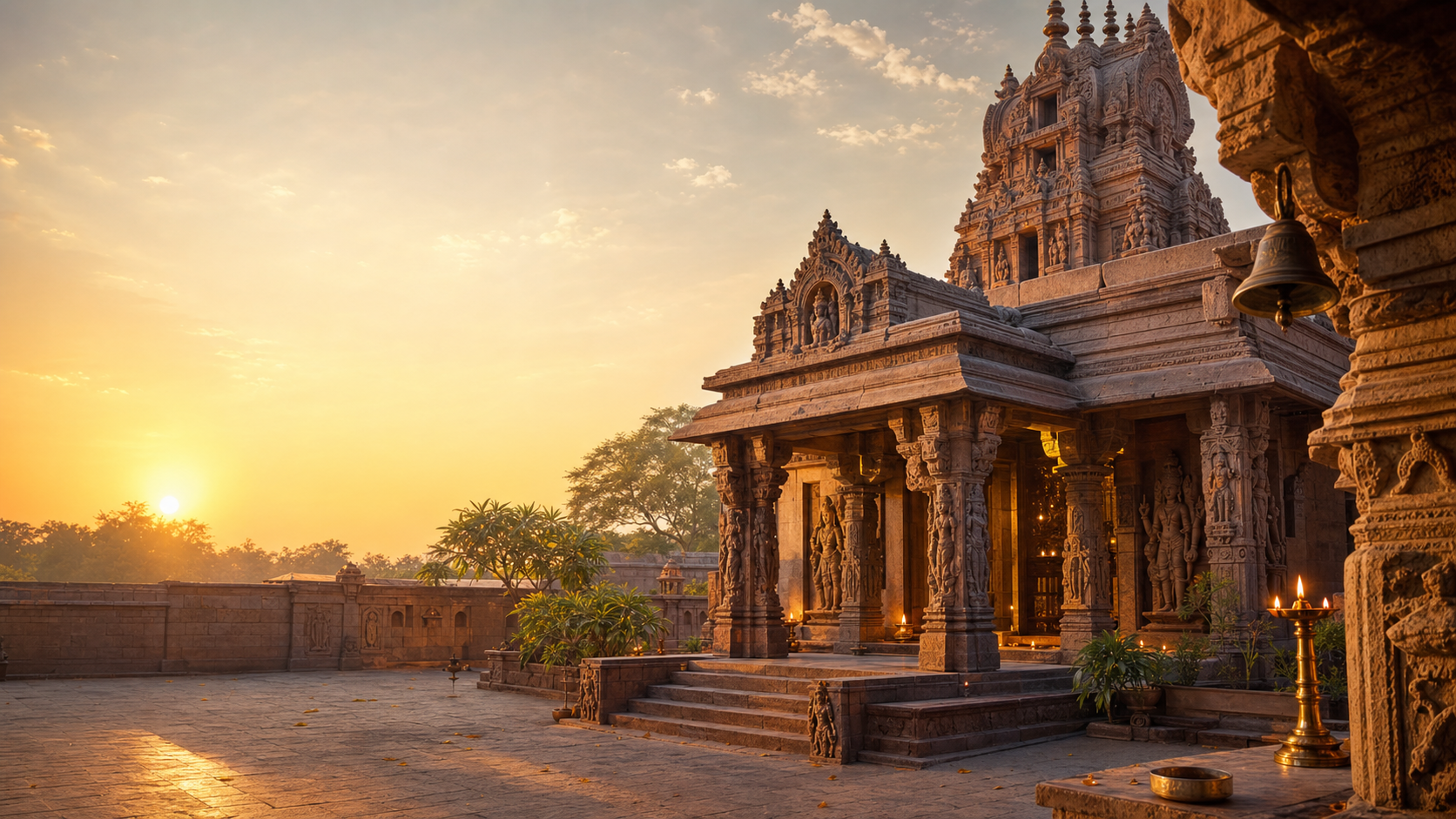
The Kothandaramar Temple showcases the distinctive Dravidian architectural style, a hallmark of South Indian temple construction. Built primarily with granite and brick, the temple embodies the traditional craftsmanship and artistic principles of the region. While specific details on its gopurams (tower gateways) and mandapams (pillared halls) are not extensively documented, its overall design adheres to the characteristic elements of Dravidian architecture, known for its intricate carvings, multi-tiered structures, and vibrant sculptural details that narrate mythological tales and depict various deities.
Architectural Style
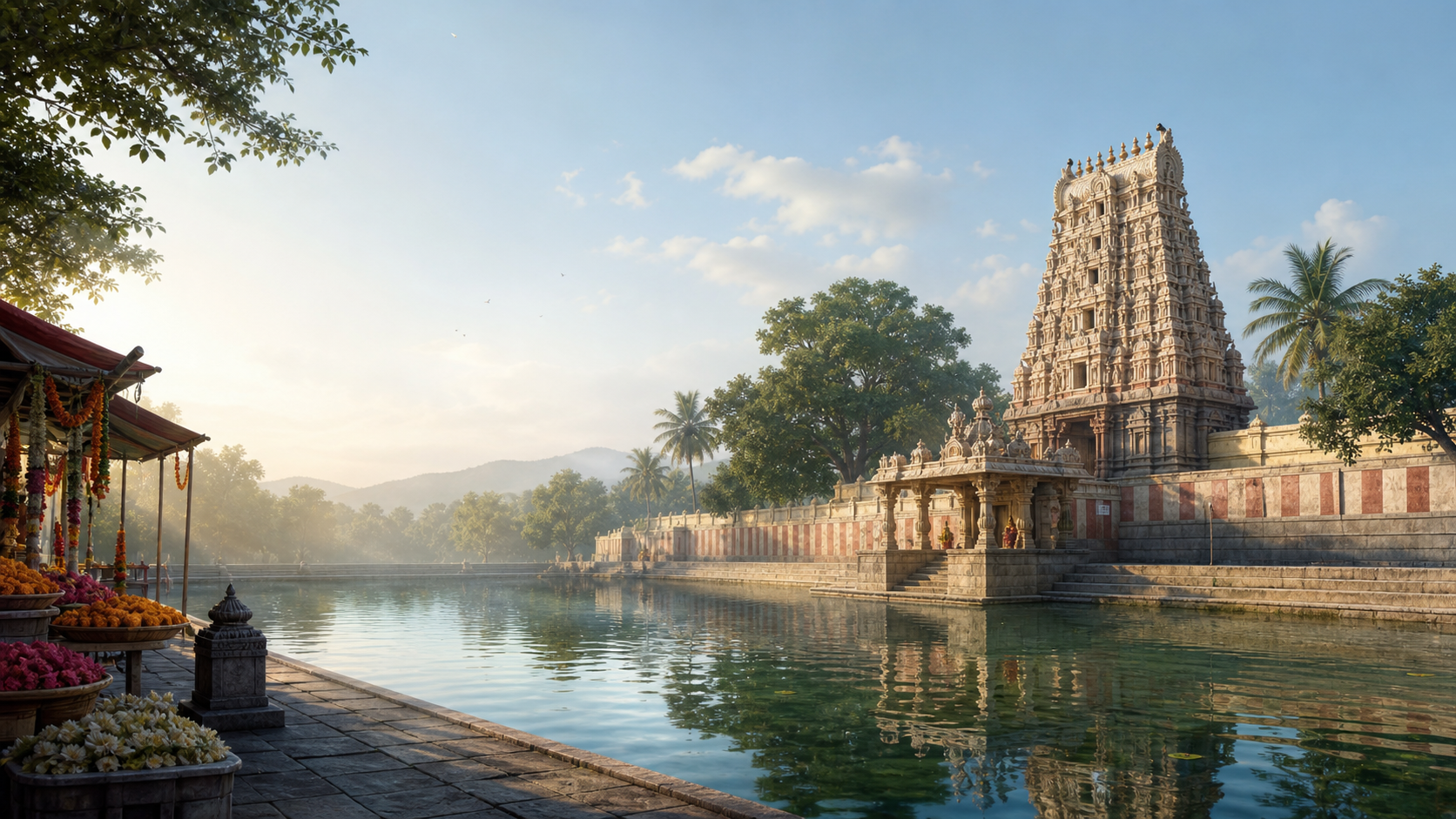
The temple is built in the Dravidian style, characterized by its pyramidal towers and elaborate sculptures.
Construction Materials
The primary materials used in the temple's construction are granite and brick, typical of ancient South Indian temples.
Key Features
As a Dravidian temple, it likely features gopurams, mandapams, and intricate sculptural work, though specific details require direct inquiry.
The Divine Presence: Lord Rama and Temple Mythology
The Kothandaramar Temple is primarily dedicated to Lord Rama, the seventh avatar of Vishnu, making it a significant center for Vaishnava worship. The presiding deity is worshipped in his majestic 'Pattabhirama' form, depicting him as the crowned prince, symbolizing his divine sovereignty even before his formal coronation as king. Local legends connect the temple to Lord Rama's epic southward journey, implying that this sacred ground was graced by his presence. Devotees believe visiting here offers a profound connection to the values of justice, sacrifice, and unwavering devotion embodied by Rama in the Ramayana.
The Presiding Deity
Lord Rama is the main deity, revered as the embodiment of dharma and divine qualities within the Vaishnava tradition.
The Pattabhirama Form
The temple uniquely features Lord Rama in his 'Pattabhirama' form, signifying his status as the crowned prince and rightful sovereign.
Ramayana Connection
Legend suggests Lord Rama visited this site during his southward journey, linking the temple directly to the epic Ramayana.
Kothandaramar Temple: A Spiritual Haven in West Mambalam
The Kothandaramar Temple, nestled in West Mambalam, Chennai, Tamil Nadu, stands as a revered Hindu pilgrimage site dedicated to Lord Rama. This ancient Vaishnava temple, with a history spanning more than 150 years, is a significant spiritual landmark in the region. Devotees visit to seek blessings from Lord Rama, who is worshipped here in his majestic 'Pattabhirama' form. The temple's serene atmosphere and deep-rooted traditions make it a cherished destination for those seeking spiritual solace and a connection to the epic narratives of the Ramayana.
Location and Deity
Situated in Chennai, Tamil Nadu, the temple is dedicated to Lord Rama, the central deity of the Vaishnava tradition.
Spiritual Significance
The temple is considered a spiritual haven, drawing devotees who feel a profound connection to Lord Rama's journey and divine sovereignty.
Temple's Age
The Kothandaramar Temple has been a place of worship for over 150 years, reflecting its enduring presence in the community.
Experience Devotion: A Visitor's Guide to Kothandaramar Temple
Visitors to the Kothandaramar Temple can immerse themselves in its spiritual ambiance. While specific timings should be confirmed with the temple office, entry is free for all devotees. The best time to visit is during the Margazhi month (December–January) for the Vaikunta Ekadasi festival, or generally between October and February for pleasant weather. Traditional attire is preferred, and footwear must be removed before entering the temple premises. The Mambalam railway station is adjacent to the temple, and Chennai International Airport is approximately 12 km away, making it accessible for pilgrims. Limited street parking is available.
Visiting Hours and Entry
Temple timings should be confirmed with the temple office, but entry is free for all visitors.
Major Festivals
Vaikunta Ekadasi, celebrated in Margazhi (December–January), is a significant festival drawing many devotees.
Travel and Accessibility
The temple is adjacent to Mambalam railway station and approximately 12 km from Chennai International Airport, well-connected by city roads.
| Deity | Rama |
|---|---|
| Form | Rama is enshrined as Pattabhirama, signifying his form as the crowned prince. |
| Consort | Sita (Piratti) |
| Sampradaya | Vaishnava |
| Significance | The temple is associated with the Ramayana tradition, enshrining Rama as the crowned prince. Local lore links the temple to Rama’s presence during his southward journey. |
The Crowning Glory of Pattabhirama
Nestled in the heart of West Mambalam, the Kothandaramar Temple holds a special place in the hearts of devotees, resonating with the timeless saga of the Ramayana. Legend has it that this sacred ground was graced by Lord Rama himself during his epic southward journey. Though the exact moments are veiled in the mists of time, the temple's very essence celebrates Rama in his majestic 'Pattabhirama' form – the crowned prince. It is a powerful reminder of his divine sovereignty and his journey of dharma, even before his formal coronation as king. Worshippers come here to seek blessings from the Lord who embodies justice, sacrifice, and unwavering devotion, feeling a profound connection to his footsteps on this hallowed earth.
Here, Rama is worshipped not just as a king, but as Pattabhirama, the crowned prince, embodying divine sovereignty and the path of dharma even before his coronation.
Feel the profound connection to Lord Rama's footsteps on this hallowed earth, where his journey of justice, sacrifice, and devotion resonates through time.
Related temples: Aakkoor Thanthondreeswarar Temple | Abhaya Varadeeswarar Temple, Adirampattinam
Restoration and Preservation Efforts
The Kothandaramar Temple, with its centuries-old history, has naturally faced the relentless forces of time, weather, and human activity, necessitating periodic restoration and preservation efforts. Over its long existence, various phases of renovation have been undertaken to maintain its structural integrity and spiritual sanctity. These projects often involve skilled sthapathis (temple architects) and artisans who meticulously work on repairing damaged stone carvings, reinforcing ancient foundations, and rejuvenating faded murals or intricate stucco work. The primary challenge in these endeavors is to meticulously preserve the temple's original architectural style and artistic grandeur, ensuring that any intervention respects its historical authenticity while addressing contemporary structural concerns. This delicate balance is crucial for retaining the temple's unique character. Contemporary conservation initiatives at the Kothandaramar Temple are often a collaborative effort, involving the Tamil Nadu Hindu Religious and Charitable Endowments (HR&CE) Department, local community organizations, and dedicated devotees. These modern efforts extend beyond structural repairs to encompass comprehensive site management, including environmental upkeep of the temple grounds, improved visitor facilities, and the documentation of its rich historical and iconographic details. Such systematic preservation is vital for safeguarding this significant cultural and religious landmark for posterity. The active involvement of the West Mambalam community highlights their profound connection to the temple, ensuring its continued role not just as a place of worship but also as a living testament to Tamil heritage and spiritual tradition for generations to come.🗺 How to Reach
Hover a card to animate the journey on the map
Route to Temple
Common Questions
Where is Kothandaramar Temple, West Mambalam: Lord Rama's Abode located?
Kothandaramar Temple, West Mambalam: Lord Rama's Abode is documented at Chennai, Tamil Nadu.
Which deity is associated with Kothandaramar Temple, West Mambalam: Lord Rama's Abode?
Kothandaramar Temple, West Mambalam: Lord Rama's Abode is associated with Rama.
Related Temples


A Living Covenant