A complete pilgrim record drawn from the existing published article data.
Tracing the Ancient Roots and Evolution of Paruthiyur's Rama Temple
The Kothandaramar Temple boasts a history rooted deeply in the region's past, with its origins believed to date back several centuries. While precise founding dates are often debated, evidence suggests continuous worship and patronage over generations. Significant periods of renovation and expansion have shaped its current form, reflecting the architectural styles prevalent during different eras. Local chieftains and devout individuals played crucial roles as patrons, contributing to the temple's upkeep and ensuring its legacy as a spiritual landmark. These contributions have helped preserve its sanctity and structural integrity through time.
Early Foundations
The temple's initial construction is attributed to early medieval periods, though specific records are scarce. Oral traditions often link its establishment to local rulers.
Periods of Renovation
Major renovations occurred during various dynasties, with each period adding distinct architectural elements and preserving the temple's ancient structure.
Notable Patrons
Several local kings and wealthy merchants provided substantial endowments and support, ensuring the temple's maintenance and growth over centuries.
Architectural Grandeur and Dravidian Craftsmanship of Kothandaramar Temple
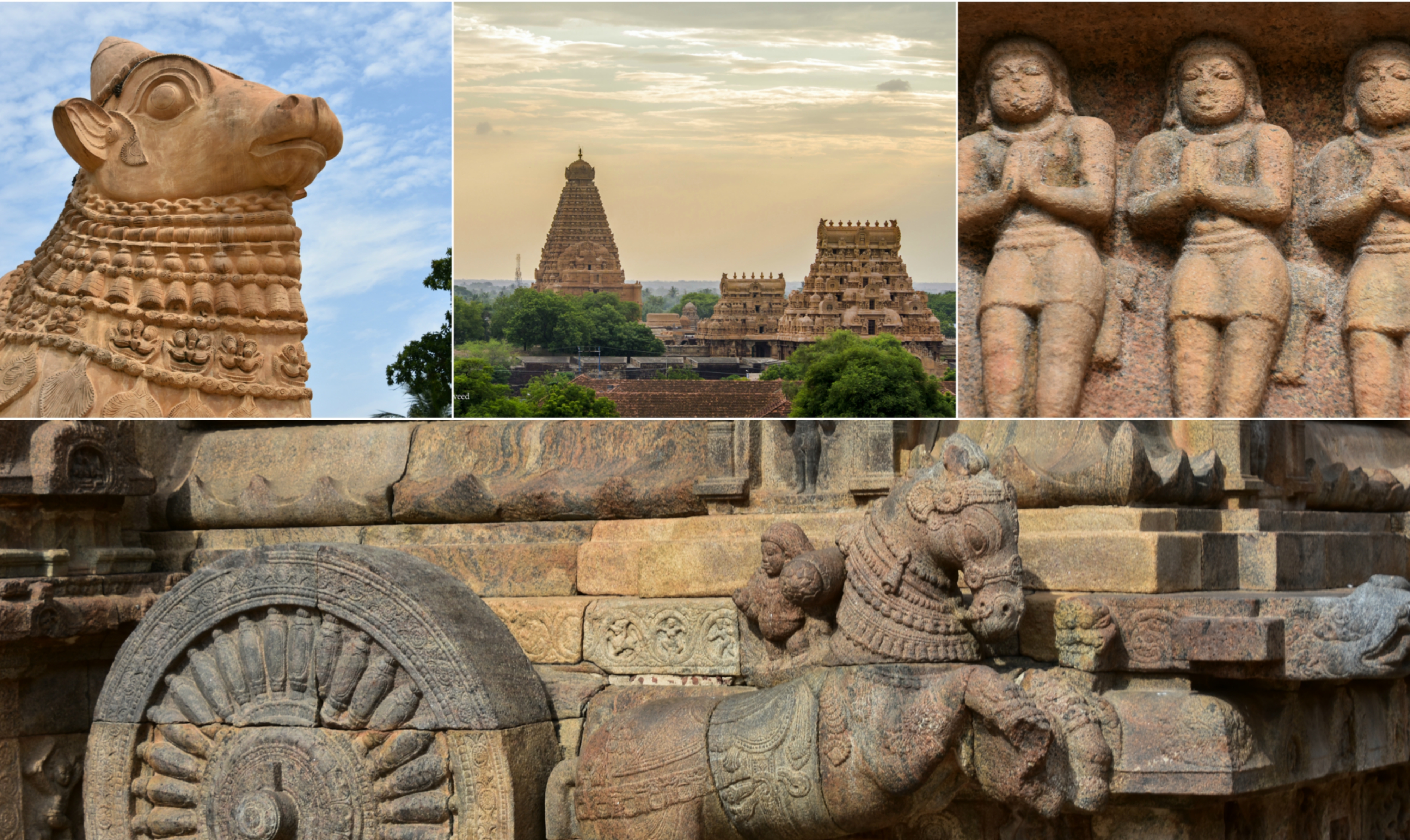
The Kothandaramar Temple exemplifies the distinctive Dravidian architectural style, characterized by its towering gopurams (entrance towers), intricate carvings, and robust stone construction. The temple complex is typically laid out with a central shrine, surrounded by various mandapams (halls) and subsidiary shrines. Sculptures depicting mythological narratives and divine figures adorn the walls and pillars, showcasing the exceptional skill of ancient artisans. The vimana (tower above the sanctum) often features multiple tiers, culminating in a kalasa (finial), reflecting traditional South Indian temple design principles.
Gopurams and Entrances
The temple's gopurams are multi-tiered pyramidal structures, richly decorated with sculptures of deities and mythological beings, serving as prominent landmarks.
Intricate Carvings
Pillars and walls within the temple feature detailed carvings depicting scenes from the Ramayana, celestial beings, and flora, demonstrating masterful craftsmanship.
Layout and Sanctum
The temple follows a traditional garbhagriha (sanctum sanctorum) layout, housing the main deity, surrounded by circumambulatory paths and halls for devotees.
Lord Rama: The Presiding Deity and Associated Legends of Paruthiyur
Lord Rama, the seventh avatar of Vishnu, is the central deity worshipped at the Kothandaramar Temple. The primary idol typically depicts Rama in a standing posture, often accompanied by Sita, Lakshmana, and Hanuman, embodying the ideal king and virtuous hero. Iconography emphasizes his divine bow, the Kodanda, signifying his role as a protector of dharma. Local legends often connect the temple's origin or specific features to events from the Ramayana, suggesting Rama's presence or journey through this region. These narratives enrich the temple's spiritual significance for devotees.
Iconography of Lord Rama
The main idol portrays Lord Rama, often with his bow (Kodanda), symbolizing his prowess and commitment to justice. He is frequently seen with his consort Sita.
Ramayana Connections
Local folklore often links the temple or its vicinity to specific episodes from the Ramayana, reinforcing the sacredness of the site.
Divine Companions
Besides Rama, the temple also houses idols of Sita, Lakshmana, and Hanuman, who are integral to the Ramayana narrative and central to the worship.
Planning Your Pilgrimage: A Comprehensive Guide to Kothandaramar Temple
Visiting the Kothandaramar Temple offers a profound spiritual experience. The temple is open from 6:00 AM to 12:00 PM and 4:00 PM to 8:00 PM daily, with free entry. The best time to visit is from October to March when the weather is pleasant. Traditional attire is preferred, and footwear must be removed before entering. Allow 1-2 hours for a complete visit. The temple is approximately 18 km from Dindigul, accessible by local buses from Dindigul Bus Stand or by car via NH44. Parking is available. Madurai Airport (IXM) is about 78 km away.
Getting There
The temple is approximately 18 km from Dindigul Junction (DG) railway station and Dindigul Bus Stand. Madurai Airport (IXM) is 78 km away.
Timings and Entry
The temple operates from 6:00 AM to 12:00 PM and 4:00 PM to 8:00 PM, with free entry for all visitors.
Best Time to Visit and Etiquette
October to March is ideal for visiting. Devotees are encouraged to wear traditional attire and remove footwear as a mark of respect.
| Deity | Rama |
|---|---|
| Form | Rama is typically depicted as a young, blue-skinned prince, holding a bow and arrow, often accompanied by his consort Sita, brother Lakshmana, and devotee Hanuman. He embodies ideal human virtues. |
| Consort | Sita |
| Sampradaya | Hinduism |
| Significance | Rama is the seventh avatar of Vishnu, revered as the ideal king, husband, and son. His life story, chronicled in the epic Ramayana, exemplifies dharma (righteous conduct), courage, and devotion. |
The Embodiment of Dharma
Lord Rama, the central figure of the Ramayana, is celebrated for his unwavering adherence to dharma, righteousness. Even when unjustly exiled to the forest for fourteen years, he accepted his fate with grace, honoring his father's word. His life, marked by trials like the abduction of Sita and the epic war with Ravana, consistently demonstrated courage, integrity, and selfless devotion to duty. The Kothandaramar temple honors this ideal king, whose actions serve as a timeless guide for moral conduct and spiritual devotion.
Dharma is the foundation of all existence; uphold it, and you uphold the world.
The path of righteousness, though challenging, leads to ultimate peace and liberation.
Kothandaramar Temple, Paruthiyur: A Divine Abode in Dindigul
The Kothandaramar Temple, situated in Paruthiyur, Tamil Nadu, stands as a significant Hindu pilgrimage site. Dedicated to Lord Rama, an incarnation of Vishnu, this ancient shrine draws devotees seeking spiritual solace and blessings. It is renowned for its tranquil atmosphere and its role in preserving Vaishnavite traditions. The temple's presence in the Dindigul district enriches the cultural and religious landscape of the region, offering a glimpse into the devotional practices of South India. It is a revered center for worship and a testament to enduring faith.
Significance as a Vaishnavite Shrine
The temple is a prominent center for Vaishnavism, emphasizing the worship of Lord Rama. It upholds traditional rituals and practices associated with the deity.
Location and Accessibility
Located in Paruthiyur, near Dindigul, the temple is accessible via various transport modes, facilitating visits for pilgrims from across the state.
🗺 How to Reach
Hover a card to animate the journey on the map
Verified routes to Kothandaramar temple, Paruthiyur
Common Questions
Where is Kothandaramar Temple: Valmiki's Praised Abhimana Kshethram located?
Kothandaramar Temple: Valmiki's Praised Abhimana Kshethram is documented at Dindigul, Tamil Nadu.
Which deity is associated with Kothandaramar Temple: Valmiki's Praised Abhimana Kshethram?
Kothandaramar Temple: Valmiki's Praised Abhimana Kshethram is associated with Rama.