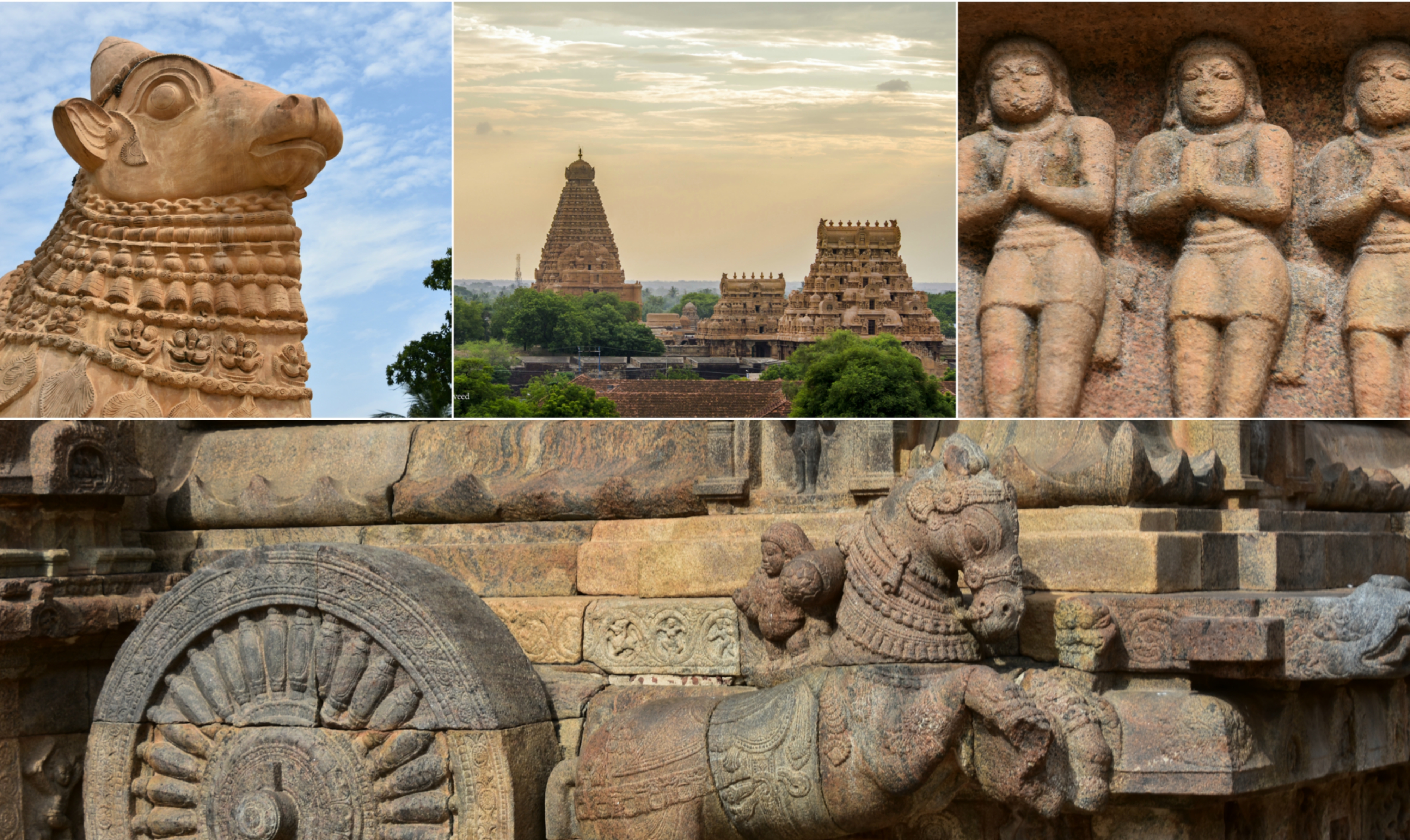
A complete pilgrim record drawn from the existing published article data.
Tracing the Ancient Origins of Koniamman Temple
The precise origins of the Koniamman Temple are shrouded in antiquity, with its establishment predating many recorded historical accounts of Coimbatore. While the initial builder and dynasty remain unknown, the temple's architectural elements and historical references suggest a long-standing presence, possibly dating back several centuries. Over its long history, the temple has undergone numerous renovations and expansions, reflecting various periods of local patronage and architectural styles. These continuous efforts have ensured the preservation of its sanctity and structure, allowing it to endure as a significant religious site throughout Coimbatore's development.
Historical Ambiguity
The exact construction date and original patrons of the temple are not definitively known.
Enduring Legacy
Despite its unknown origins, the temple has been a continuous site of worship and renovation for centuries.
The Dravidian Splendor of Koniamman Temple Architecture
The Koniamman Temple exemplifies the classic Dravidian architectural style, characterized by its towering gopurams (entrance towers), elaborate mandapams (halls), and intricate sculptural details. While the current structure has evolved through various renovations, it retains the core elements of South Indian temple design. The temple features richly carved pillars and walls depicting mythological figures and divine narratives. Its layout typically includes a sanctum sanctorum for the main deity, surrounded by smaller shrines and a spacious courtyard, all arranged according to traditional temple construction principles that emphasize symmetry and sacred geometry.
Dravidian Characteristics
The temple showcases typical Dravidian features like ornate gopurams and mandapams.
Sculptural Details
Intricate carvings adorn the pillars and walls, depicting various mythological scenes.
Koniamman Temple: The Guardian Deity of Coimbatore
The Koniamman Temple stands as a revered spiritual landmark in Coimbatore, Tamil Nadu. Dedicated to the goddess Koniamman, this ancient shrine is deeply embedded in the city's identity, serving as the primary guardian deity for its residents. For centuries, the temple has been a focal point for devotion, embodying the cultural and religious heart of Coimbatore. Its presence signifies protection and prosperity, drawing countless devotees who seek the goddess's blessings. The temple's enduring legacy underscores its profound cultural significance, making it more than just a place of worship but a symbol of the city itself.
Cultural Cornerstone
The temple is considered the spiritual and cultural anchor of Coimbatore, influencing local traditions and festivals.
Protector of the City
Koniamman is widely believed to safeguard the city and its inhabitants from adversities.
A Comprehensive Guide for Visitors to Koniamman Temple
Visitors to Koniamman Temple can experience its spiritual ambiance during specific hours: 6:00 AM to 12:30 PM and 4:00 PM to 9:00 PM. Entry is free for all. The period from October to March is considered the best time to visit due to pleasant weather. Devotees are encouraged to wear traditional attire as a mark of respect, and footwear must be removed before entering the temple premises. A visit typically lasts 1 to 2 hours, allowing ample time to explore the shrines and participate in darshan. Observing local customs and maintaining silence enhances the spiritual experience within this sacred space.
Temple Timings and Entry
The temple is open from 6:00 AM to 12:30 PM and 4:00 PM to 9:00 PM, with free entry.
Dress Code and Etiquette
Traditional attire is preferred; footwear must be removed before entering the temple.
| Deity | the goddess Koniamman |
|---|
The Protector of Coimbatore
Though specific legends are not widely documented, Koniamman is deeply revered as the powerful guardian deity of Coimbatore. Devotees believe she watches over the city, protecting its residents from harm and ensuring their prosperity. Her presence is considered vital for the well-being and growth of the region, and many seek her blessings for courage, health, and success in their endeavors. The faith in her protective power is a cornerstone of the local spiritual tradition.
May the divine Mother Koniamman bless all with prosperity and protection.
Seek the blessings of the guardian deity for peace and well-being.
Related temples: Aakkoor Thanthondreeswarar Temple | Abhaya Varadeeswarar Temple, Adirampattinam
Understanding the Deity: Goddess Koniamman and Her Legends
Goddess Koniamman is revered as a powerful manifestation of the divine feminine, a form of Shakti, and the benevolent protector of Coimbatore. Local legends often associate her with fierce power to ward off evil and grant boons. Devotees believe she possesses the ability to fulfill wishes, cure ailments, and ensure the well-being of her followers and the city. Her mythology is deeply intertwined with the history of Coimbatore, with stories passed down through generations highlighting her miraculous interventions. The devotion she inspires is profound, marking her as a central figure in the spiritual lives of countless individuals who seek her blessings and guidance.
Divine Feminine Power
Koniamman is worshipped as a powerful form of Shakti, embodying protection and benevolence.
Local Mythology
Legends recount her miraculous deeds and protective presence over the city of Coimbatore.
Cultural Impact
Koniamman Temple is not merely a place of worship but a vibrant nucleus of cultural life in Coimbatore, deeply interwoven with the city's identity and traditions. Its annual "Ther Thiruvizha" (chariot festival) is a prime example, transforming the city streets into a spectacle of devotion, music, and communal celebration. This festival, drawing thousands from across the region, reinforces social bonds and preserves ancient customs, with families participating in generations-old rituals. The temple's presence influences local art forms, folk performances, and even the culinary landscape, with specific dishes and sweets associated with its festivals. It serves as a historical marker, narrating tales of the city's origins and its enduring spiritual heritage, making it an indispensable part of Coimbatore's cultural fabric.
Beyond its direct religious functions, Koniamman Temple plays a significant role in fostering community spirit and social cohesion. It often serves as a focal point for various charitable initiatives, bringing people together for collective good, whether it's through food donations during festivals or supporting local welfare programs. The temple's iconography and mythology have subtly influenced local artistic expressions, from traditional paintings and sculptures to contemporary interpretations. Its stories are passed down through generations, contributing to local folklore and even inspiring regional literature and performing arts. This pervasive cultural influence ensures that the temple remains a living institution, constantly adapting while preserving its core essence, and continuing to shape the spiritual and social landscape of Coimbatore.
🗺 How to Reach
Hover a card to animate the journey on the map
Verified routes to Koniamman Temple
Common Questions
Where is Koniamman Temple: Coimbatore's Ancient Protector located?
Koniamman Temple: Coimbatore's Ancient Protector is documented at Coimbatore, Tamil Nadu.
Which deity is associated with Koniamman Temple: Coimbatore's Ancient Protector?
Koniamman Temple: Coimbatore's Ancient Protector is associated with the goddess Koniamman.