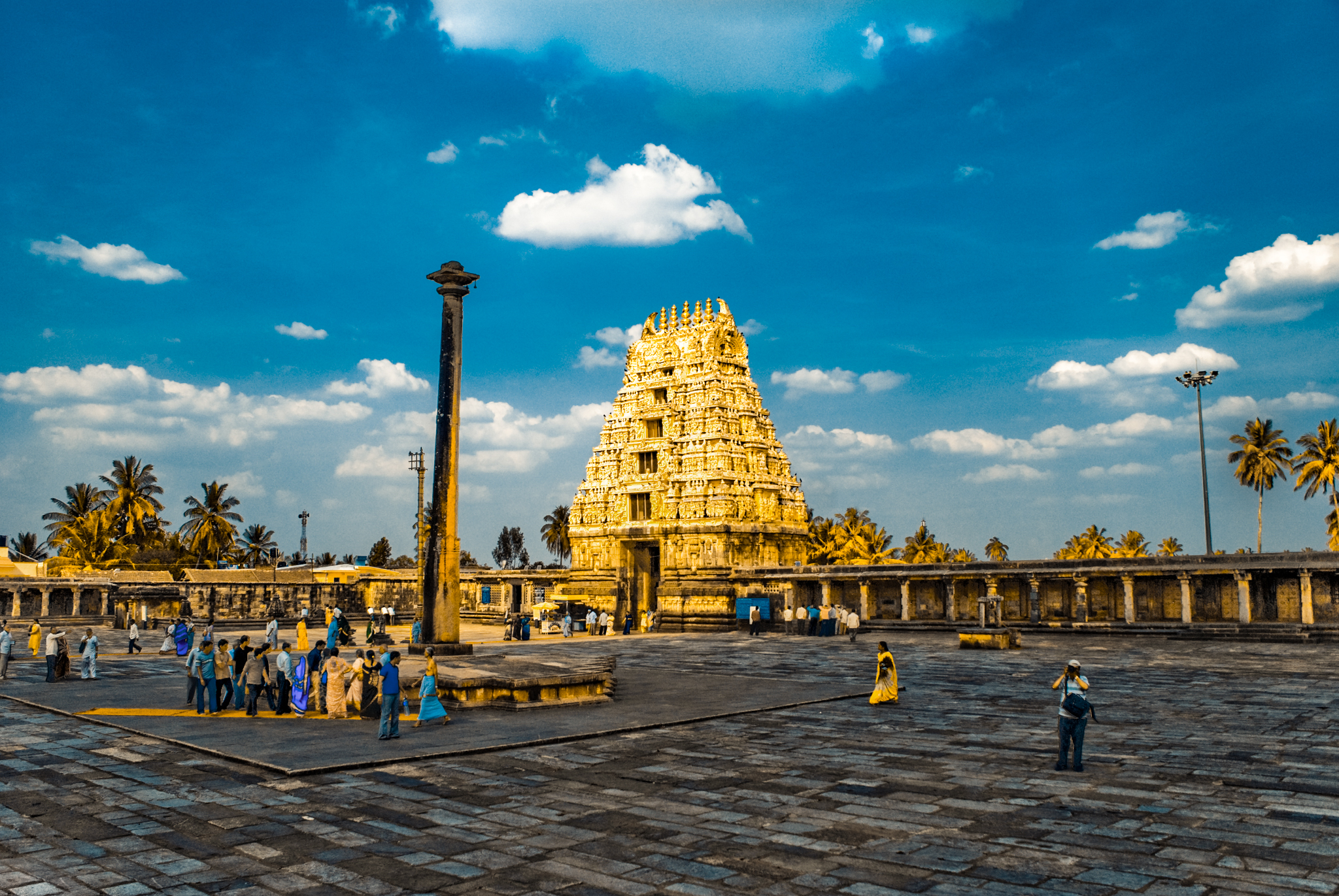
Temple No. 3424KarnatakaShiva

Koneswaram Temple

{ "title": "Koneswaram Temple: Dakshina Kailasam & Ravana’s Sacred Gokarna", "meta_description": "Discover Koneswaram Temple in Trincomalee — Sri Lanka’s...

Direct answer: Koneswaram Temple: Dakshina Kailasam & Ravana’s Sacred Gokarna is a Hindu temple guide on Hindu Mandir Yatra covering the temple's location in Trincomalee, Karnataka and its association with Shiva.

Trincomalee, KarnatakaShivaKarnataka

A complete pilgrim record drawn from the existing published article data.

{ "title": "Koneswaram Temple: Dakshina Kailasam & Ravana’s Sacred Gokarna", "meta_description": "Discover Koneswaram Temple in Trincomalee — Sri Lanka’s ancient Paadal Petra Sthalam, Pancha Ishwaram, and Ramayana-linked Dakshina Kailasam. Architecture, history, deity lore & pilgrimage guide.", "primary_keyword": "koneswaram temple", "secondary_keywords": ["trincomalee temple", "dakshina kailasam", "rama ramayana temple", "kona ishvara", "pancha ishwaram", "ayiram kaal mandapam", "gokarneswara"], "tags": ["shaivism", "ramayana temples", "chola architecture", "tamil hindu temples", "sri lanka heritage", "tevaram temples", "dravidian temple", "ravana worship"], "categories": ["hindu-rama", "temple-encyclopedia", "south-asian-heritage"], "html": "
Did You Know? Koneswaram Temple is built in the Dravidian style, embodying the artistic and devotional traditions of its era.
Key Takeaway: Koneswaram Temple stands as a living monument to the spiritual, architectural, and cultural traditions of Karnataka.

Builtc. 1580 BCE (per Konesar Kalvettu); earliest phase 4th c. BCE (Sangam rock-cut shrine); major expansion 10th–12th c. CE (Chola era)
LocationSwami Rock (Konesar Malai), Trincomalee, Eastern Province, Sri Lankanot Karnataka
Primary DeityKona-Ishvara (Shiva as Gokarneswara/Go-Natha)
ConsortMathumai Amman (Parvati)
Key Sub-shrinesBhadrakali (expanded by Rajendra Chola I), Vishnu-Thirumal (Matsyakesvara), Ravana, Ganesha, Surya, Murukan
Architectural StyleClassical-medieval Tamil Dravidian with megalithic & rock-cut foundations
UNESCO StatusASI National Monument (Sri Lankan Govt.), not UNESCO-listed
Major FestivalKoneswaram Ther Thiruvilah (annual procession to Papanasuchunai well & Back Bay Sea)

Historical Foundation

Timeline

circa 1580 BCE (per Konesar Kalvettu inscription); initial phase likely 4th century BCE (rock cave and brick shrine, Sangam period); significant construction during classical antiquity (300 CE per Vayu Purana); major expansions in medieval period (Chola era, 10th–12th centuries)Original construction by Kullakottan Chola (learned of sanctity and developed the temple); Sinhalese king Gajabahu II (1131–1153 CE, patron and benefactor).
LaterRenovated by Rajendra Chola I (expanded Bhadrakali shrine).
LaterRenovated by 1950s restoration efforts.
LaterRenovated by post-1990s reconstructions following civil war damage.
ModernASI National Monument (Sri Lankan government heritage site); not UNESCO-listed as of sources.

4th Century BCESangam-era rock-cut cave shrine and brick kovil established on Swami Rock; earliest archaeological layer confirmed
c. 300 CEVayu Purana explicitly names Gokarna as a major Shiva tirtha on Sri Lanka’s east coast
7th Century CENayanar saints Sambandhar and Sundarar compose Tevaram hymns, declaring Koneswaram a Paadal Petra Sthalam
10th–12th Century CEChola dynasty — under Kullakottan Chola and later Rajendra Chola I — undertakes massive expansion: gopurams, Aayiram Kaal Mandapam, Bhadrakali shrine enlargement
1131–1153 CESinhalese king Gajabahu II, ruler of Polonnaruwa, becomes chief patron; spends final days in Brahmin agraharam at Kantalai
1380 CEJeyaveera Cinkaiariyan composes Dakshina Kailasa Puranam, codifying its status as southern Kailash
1622–1624 CEColonial destruction by Portuguese forces; temple razed; Fort Frederick built atop ruins using temple stone
1950s & Post-1990sMajor restoration campaigns; post-civil war reconstructions recover original layout and iconography

The Konesar Kalvettu: A Stone Chronicle of Antiquity

Gajabahu II and the Sinhala-Shaiva Synthesis

Colonial Erasure and Archaeological Rediscovery

Architecture & Craftsmanship

Dravidian Grandeur: From Megalith to Gold-Plated Gopuram

The Black Granite Bas-Relief Tradition

Acoustics, Astronomy, and the Dakshina Kailasam Alignment

The Presiding Deity

Deity Profile

the Thousand Pillars is the presiding deity worshipped at this temple.

  • Main Deity: the Thousand Pillars
  • Form: Kona-Ishvara (also Konanātha, Gokarneswara, Go-Natha)
  • Consort: Mathumai Amman (form of Parvati/Shakti)
  • Tradition: Shaiva

Kona-Ishvara: The Gokarna Manifestation

Ravana: The Enshrined Devotee

Vishnu-Thirumal as Matsyakesvara: The Fish Avatar Shrine

Festivals & Living Traditions

Koneswaram Ther Thiruvilah: The Sea Circumambulation

Kumbhabhishekham: The Consecration of Renewal

Daily Rhythms: From Dawn Abhishekam to Night Arati

Plan Your Visit

Visitor Tip: Plan your visit during Northeast monsoon season (October–February), coinciding with Ther Thiruvilah festival for the most pleasant pilgrimage experience.

"Koneswaram Temple is not just a temple — it is a living chronicle of faith."

circa 1580 BCE (per Konesar Kalvettu inscription); initial phase likely 4th century BCE (rock cave and brick shrine, Sangam period); significant construction during classical antiquity (300 CE per Vayu Purana); major expansions in medieval period (Chola era, 10th–12th centuries) — a defining mark of this sacred site.

Koneswaram Temple — figure 1
Koneswaram Temple — figure 2
Koneswaram Temple — figure 3
Koneswaram Temple — figure 4
Koneswaram Temple — figure 5
Koneswaram Temple — figure 6
Koneswaram Temple — figure 7
Koneswaram Temple — figure 8
Koneswaram Temple — figure 9

Related temples: Akkana Basadi | Amareshwar Temple

Sacred Stories & Mythology

Sthala Purana

The temple was established on Swami Rock (Konesar Malai) as Gokarna, a sacred site where Shiva manifested as Kona-Ishvara. Its name derives from Gokarnesvara, linking it to ancient Shaiva shrines in Kalinga and Tamilakam. Legends hold that it predates Vijaya’s arrival (543–505 BCE) and was worshipped by mythical figures like Kuveni; the Dakshina Kailasa Puranam describes it as the southern counterpart of Mount Kailash due to longitudinal alignment.

The Gokarna Legend: Ravana’s Humiliation & Grace

Patanjali’s Birth at the Holy Well

The Longitudinal Miracle: Kailash and Koneswaram

Saints, Poets & Devotees

Sambandhar and Sundarar: The Twin Lights of Tevaram

Arunagirinathar and the Garland of Skanda

Tirumular and the Yoga of Sound

Records, Marvels & Heritage

The Pancha Ishwaram Network: A Strategic Theological Grid

Underwater Ruins: A Drowned Archive

Conservation Challenges: Cliff, Conflict, and Continuity

🛕
Koneswaram Temple: Dakshina Kailasam & Ravana’s Sacred Gokarna
Karnataka · India
Karnataka
Loading map…
✈️Delhi
🚂Mumbai
🚌Bengaluru

🗺 How to Reach

Hover a card to animate the journey on the map

✈️
By Air
Bengaluru (BLR)
🚂
By Train
KSR Bengaluru / Mysuru Jn
🚌
By Road
Buses & taxis from Karnataka
Pro tip: Book well in advance during major festival seasons.
Animated path

Route to Koneswaram Temple: Dakshina Kailasam & Ravana’s Sacred Gokarna

📍
Bengaluru
🚌
NH 44100 km · 2.5 hrs
Krishnagiri
NH 4495 km · 2 hrs
Salem
NH 44165 km · 3 hrs
Dindigul
NH 4465 km · 1.5 hrs
🛕
Madurai
🚌 Exit Bengaluru via Hosur Road
🚌BengaluruKrishnagiriSalemDindigulMaduraiNH 44

Common Questions

Where is Koneswaram Temple: Dakshina Kailasam & Ravana’s Sacred Gokarna located?

Koneswaram Temple: Dakshina Kailasam & Ravana’s Sacred Gokarna is documented at Trincomalee, Karnataka.

Which deity is associated with Koneswaram Temple: Dakshina Kailasam & Ravana’s Sacred Gokarna?

Koneswaram Temple: Dakshina Kailasam & Ravana’s Sacred Gokarna is associated with Shiva.

A Living Covenant

The temple article remains powered by the same published content pipeline. This view is only a presentation layer over the existing Hindu Mandir Yatra article data.