A complete pilgrim record drawn from the existing published article data.
A Journey Through Time: The History of Sri Naganathaswamy Temple
The history of Sri Naganathaswamy Temple stretches back centuries, with its origins rooted in ancient times. While specific foundation dates are often shrouded in legend, architectural evidence and inscriptions suggest a continuous history of worship and development. Various South Indian dynasties, including the Cholas and later Vijayanagara rulers, are believed to have contributed significantly to the temple's expansion and renovation. Their patronage led to the addition of new structures, intricate carvings, and the maintenance of its sacred traditions, ensuring the temple's survival and spiritual prominence through different eras.
Ancient Roots
The temple's foundation is believed to date back to ancient periods, with its exact origins often intertwined with local legends.
Dynastic Patronage
Major dynasties like the Cholas and Vijayanagara emperors provided significant support, contributing to the temple's construction and subsequent renovations.
Architectural Evolution
Over centuries, the temple witnessed several phases of architectural additions and modifications, reflecting the styles of its patrons.
Architectural Marvels: Decoding the Temple's Design
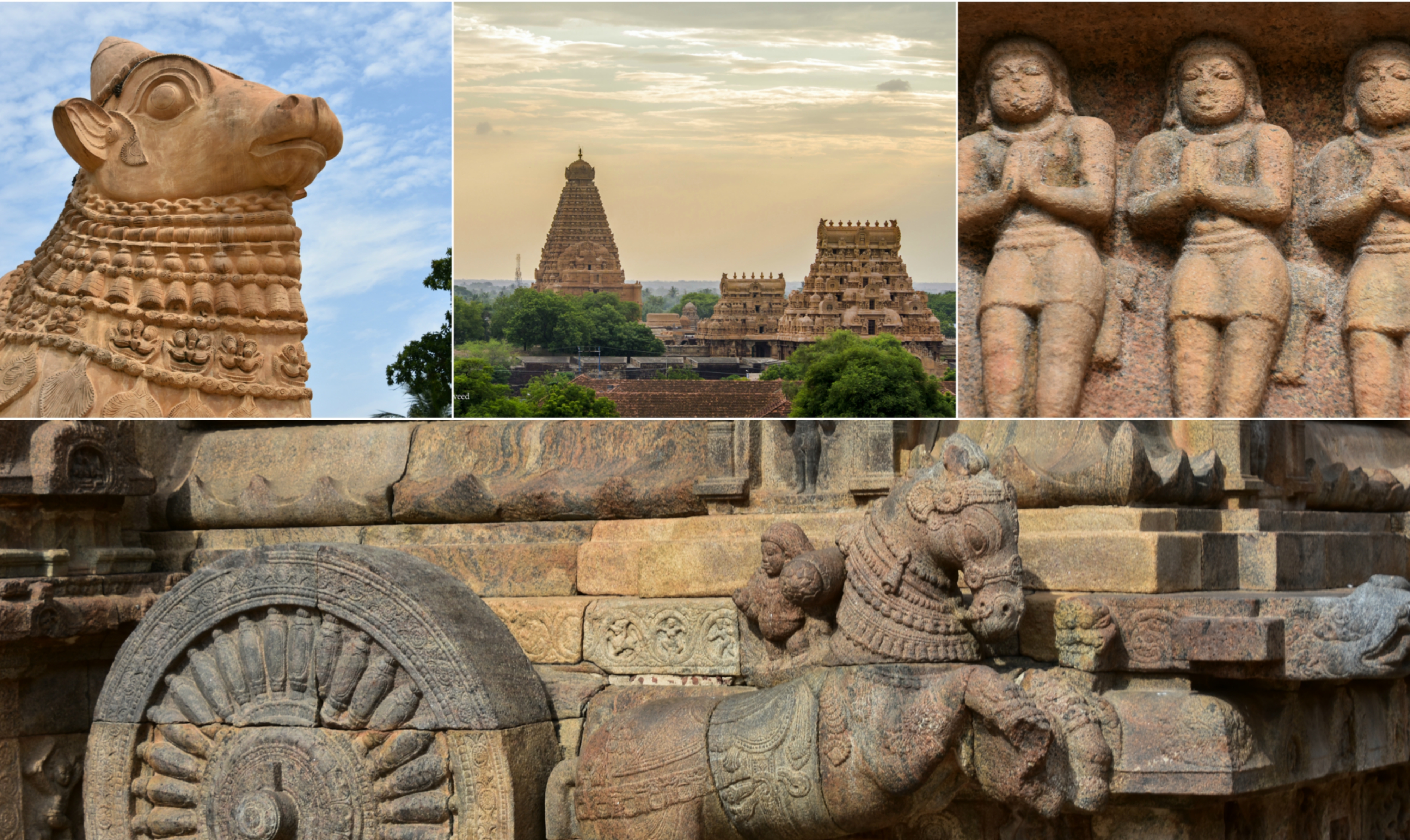
The Sri Naganathaswamy Temple exemplifies the quintessential Dravidian architectural style, characterized by its towering gopurams, elaborate mandapams, and intricate sculptural details. The temple complex is a testament to the skill of ancient artisans, featuring finely carved deities, mythological scenes, and decorative motifs adorning its pillars and walls. Each element, from the sanctum sanctorum to the outer prakarams, is meticulously designed, reflecting deep spiritual symbolism. The grand entrance tower, or gopuram, serves not only as an architectural landmark but also as a gateway to the sacred space within.
Dravidian Grandeur
The temple showcases classic Dravidian architecture with its distinct gopurams, mandapams, and detailed sculptures.
Symbolic Sculptures
Intricate carvings of deities and mythological narratives adorn the temple, each carrying profound spiritual meaning.
Structural Components
Key architectural features include the towering gopuram, various mandapams, and the sanctum, all built with traditional craftsmanship.
Pilgrim's Path: Essential Information for Visiting the Temple
For pilgrims planning a visit to Sri Naganathaswamy Temple, essential information ensures a smooth and reverent experience. The temple operates from 6:00 AM – 12:30 PM and 4:00 PM – 9:00 PM, with free entry. The best time to visit is October to March. Visitors are advised to wear traditional attire and remove footwear before entering. A typical visit duration is 1–2 hours. The temple is accessible by various transport modes: Coimbatore Gandhipuram Central Bus Stand (5-10 km), Coimbatore Junction train station (5-10 km), and Coimbatore International Airport (15-20 km). Parking is available for those traveling by car via NH544.
Visitor Information
The temple is open from 6:00 AM to 12:30 PM and 4:00 PM to 9:00 PM, with free entry. The ideal visiting period is October to March.
Accessibility and Transport
Located near Gudiyatham, the temple is easily reachable by bus from Coimbatore Gandhipuram, train to Coimbatore Junction, or flight to Coimbatore International Airport. Car parking is available.
Pilgrimage Guidelines
Adhere to the dress code of traditional attire and remove footwear. Allocate 1-2 hours for a complete and respectful darshan.
| Deity | Navagrahas |
|---|---|
| Form | Planetary Deities |
| Consort | Not specified (as a collective) |
| Sampradaya | Hinduism |
| Significance | The Navagrahas are nine celestial deities in Hinduism who are believed to influence human life and destiny through their planetary positions. Devotees worship them to mitigate negative planetary effects and seek blessings for well-being and prosperity. |
The Influence of the Nine Planets
While no specific legend for this temple was provided, devotees traditionally visit Navagraha temples to seek solace and blessings from the nine planetary deities. It is believed that by propitiating these celestial beings, one can alleviate the malefic effects of unfavorable planetary positions in their astrological chart, ensuring a smoother life path, good health, and prosperity. The act of worship is a plea for cosmic harmony and divine intervention in personal destiny.
May the blessings of the Navagrahas illuminate your path, bringing harmony and success to every endeavor.
Seek cosmic balance and overcome life's challenges by honoring the celestial influencers at this sacred site.
Unveiling Ketu Navagrahastalam: Sri Naganathaswamy Temple
The Sri Naganathaswamy Temple, located near Gudiyatham in Tamil Nadu, holds profound significance as the primary Navagraha stalam dedicated to Ketu. This ancient shrine is revered by devotees seeking solace and remedies for astrological afflictions attributed to the shadow planet Ketu. Unlike many temples where Ketu is worshipped alongside other Navagrahas, Sri Naganathaswamy Temple focuses predominantly on this celestial entity, making it a unique pilgrimage destination. Its tranquil surroundings and spiritual aura attract pilgrims from across India, eager to perform specific rites and prayers to mitigate negative influences and seek blessings.
Primary Ketu Stalam
This temple is uniquely identified as the main shrine for worshipping Ketu, one of the nine celestial bodies in Hindu astrology.
Geographical Significance
Situated close to Gudiyatham in Tamil Nadu, the temple's location enhances its accessibility for pilgrims traveling within the region.
Spiritual Importance
Devotees visit here specifically to perform rituals and prayers to appease Ketu and seek relief from its perceived malefic effects.
The Shadow Planet: Ketu and Its Divine Connection
In Hindu astrology, Ketu is considered a "shadow planet" or Chhaya Graha, representing liberation, spiritual enlightenment, and detachment. Mythologically, Ketu is the headless body of the asura Svarbhanu, who was decapitated by Vishnu during the Samudra manthan. Despite lacking a physical form, Ketu exerts significant astrological influence, often associated with past karma and spiritual pursuits. Worshipping Ketu at Sri Naganathaswamy Temple involves specific rituals, including offering black sesame seeds, black gram, and performing Rahu-Ketu pariharams (remedial rituals) to mitigate negative effects and seek blessings for spiritual growth and success.
Ketu's Mythological Origins
Ketu is the headless half of the asura Svarbhanu, formed during the cosmic churning of the ocean, Samudra manthan.
Astrological Significance
As a shadow planet, Ketu is associated with spiritual liberation, detachment, and karmic influences in an individual's life.
Rituals and Offerings
Devotees perform pariharams and offer specific items like black sesame and black gram to appease Ketu and seek positive outcomes.
🗺 How to Reach
Hover a card to animate the journey on the map
Verified routes to Ketu Navagrahastalam - Sri Naganathaswamy temple, near Gudiyatham
Common Questions
Where is Ketu Naganathaswamy Temple: Ancient Chola Navagraha Shrine located?
Ketu Naganathaswamy Temple: Ancient Chola Navagraha Shrine is documented at Tamil Nadu.
Which deity is associated with Ketu Naganathaswamy Temple: Ancient Chola Navagraha Shrine?
Ketu Naganathaswamy Temple: Ancient Chola Navagraha Shrine is associated with the Navagrahas.