A complete pilgrim record drawn from the existing published article data.
Tracing the Ancient Roots of Kayarohanaswami Temple
The origins of the Kayarohanaswami Temple are steeped in antiquity, though its precise founding date remains unknown. Historical evidence suggests continuous patronage from various powerful South Indian dynasties, including the Cholas, Pandyas, and Nayaks, who contributed to its expansion and renovation over centuries. The temple finds mention in ancient Tamil literary works, particularly in the Tevaram, a collection of devotional hymns by the Nayanmars Appar, Sundarar, and Sambandar, affirming its revered status since the 7th century CE. These inscriptions and literary references underscore its enduring legacy as a center of worship and cultural heritage.
Dynastic Patronage
The temple received significant patronage and contributions from the Cholas, Pandyas, and Nayaks, who were instrumental in its development and maintenance.
Literary Mentions
The Kayarohanaswami Temple is glorified in the Tevaram hymns, composed by the revered Nayanmars Appar, Sundarar, and Sambandar, dating back to the 7th century CE.
Architectural Grandeur of Kayarohanaswami Temple
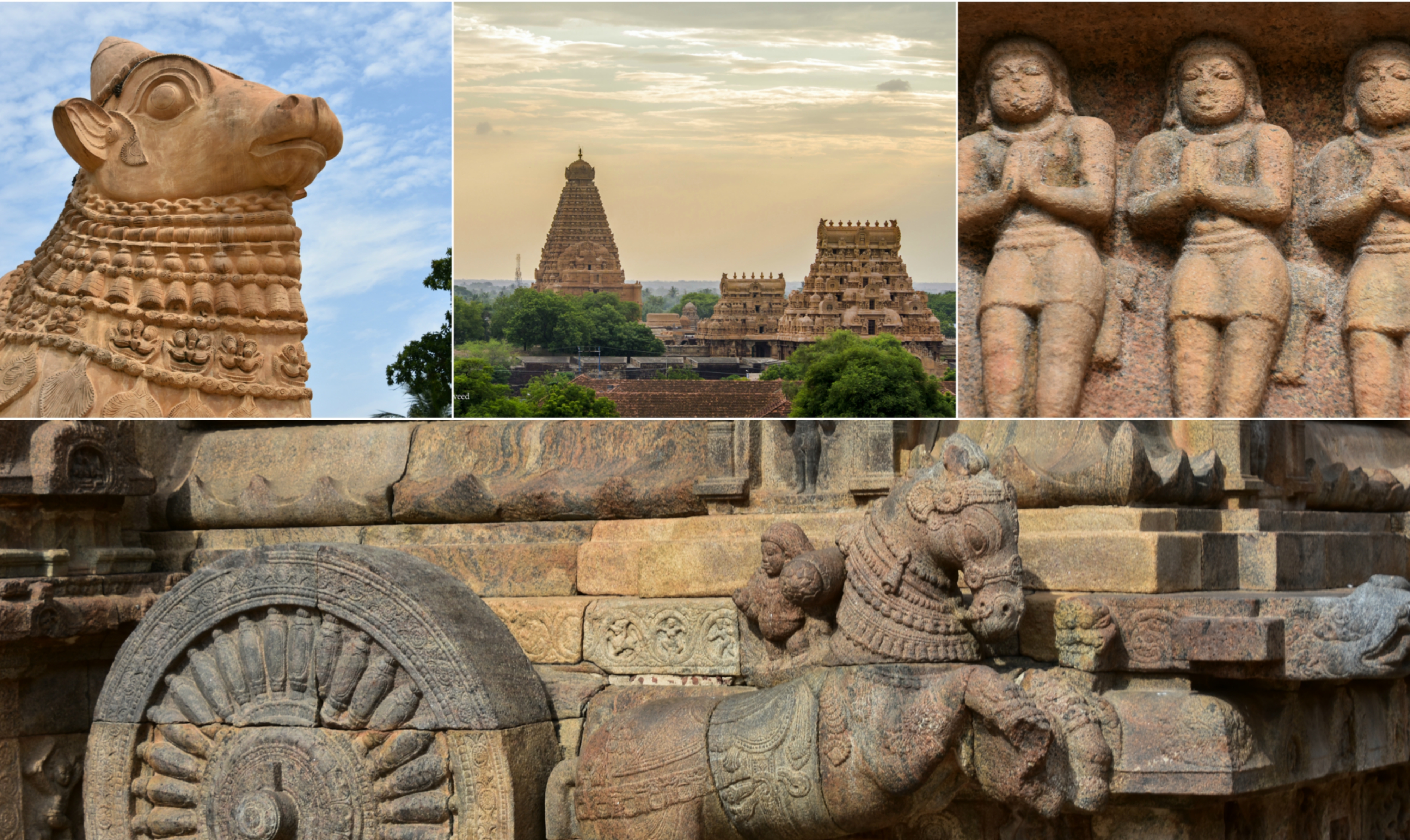
The Kayarohanaswami Temple exemplifies the quintessential Dravidian architectural style, characterized by its towering gopurams (entrance towers), multiple mandapams (halls), and intricate sculptural details. The main gopuram, adorned with numerous stucco figures, serves as a grand entrance. Within the complex, various shrines, including those for Lord Siva as Kayarohanaswami and Goddess Neelayadakshi, are arranged symmetrically. Pillars within the halls are meticulously carved with mythological scenes and divine figures, showcasing the artistic prowess of ancient craftsmen. The temple's layout and construction reflect traditional South Indian temple building principles.
Gopurams and Mandapams
The temple features impressive gopurams and several mandapams, including the Maha Mandapam and Artha Mandapam, each displaying distinct architectural elements.
Intricate Sculptures
Pillars and walls throughout the temple complex are adorned with elaborate carvings depicting deities, mythological events, and historical figures, showcasing Dravidian artistry.
Lord Siva and the Legends of Kayarohanaswami
The principal deity of the Kayarohanaswami Temple is Lord Siva, worshipped here as Kayarohanaswami. The term "Kayarohana" refers to the ascension of the body, signifying the merging of the soul with the divine. A unique aspect is the presence of the Vitanga Lingam, an uncarved, self-manifested lingam, which is one of the seven such sacred forms. The temple is also renowned for its association with Lord Thyagaraja, a form of Siva, who performs the Ajapa Natanam, a silent dance. Legends connect the temple to the story of Muchukunda Chakravarthi, who received the Vitanga Lingam from Lord Indra and installed it here, establishing its profound spiritual narrative.
The Vitanga Lingam
The temple houses one of the seven sacred Vitanga Lingams, believed to be self-manifested and uncarved, representing a unique form of Lord Siva.
Lord Thyagaraja and Ajapa Natanam
Lord Thyagaraja, an aspect of Siva, is said to perform the Ajapa Natanam, a special dance without movement, making this a significant Sapta Vitanga Sthalam.
Myth of Muchukunda Chakravarthi
Legend states that King Muchukunda Chakravarthi brought the Vitanga Lingam from Indra and consecrated it here, establishing the temple's ancient spiritual roots.
Planning Your Pilgrimage to Kayarohanaswami Temple
The Kayarohanaswami Temple welcomes devotees daily from 6:00 AM to 12:30 PM and 4:00 PM to 9:00 PM. Entry is free for all visitors. The ideal time to visit is between October and March, when the weather is most pleasant. Traditional attire is preferred, and removing footwear before entering the temple premises is customary. Major festivals like Mahashivaratri, Vasanthotsavam, and Navaratri are celebrated with great fervor, attracting large crowds. The temple is easily accessible within Nagapattinam city, with the bus stand and railway station nearby, making it convenient for pilgrims to reach and experience its spiritual ambiance.
Darshan Timings and Entry
The temple is open for darshan from 6:00 AM to 12:30 PM and 4:00 PM to 9:00 PM daily, with free entry for all visitors.
Festivals and Best Time to Visit
Key festivals include Mahashivaratri, Vasanthotsavam, and Navaratri. The months from October to March offer the most favorable weather for a visit.
Accessibility and Etiquette
Located conveniently within Nagapattinam, the temple is accessible by local transport. Visitors are encouraged to wear traditional attire and remove footwear before entry.
| Deity | Lord Siva situated in the town of Nagapattinam in Tamil Nadu |
|---|
Awaiting Ancient Tales
The provided information does not contain any specific mythological stories or legends associated with the Kayarohanaswami Temple. Its rich history likely holds many such narratives, yet they remain unrecorded in the given data.
In the heart of devotion, Lord Siva resides, guiding all towards eternal peace and spiritual awakening.
The sacred space of a temple offers solace and connects us to the divine, a timeless sanctuary for the soul.
Related temples: Aakkoor Thanthondreeswarar Temple | Abhaya Varadeeswarar Temple, Adirampattinam
Kayarohanaswami Temple: A Sacred Abode in Nagapattinam
The Kayarohanaswami Temple, located in the coastal town of Nagapattinam in Tamil Nadu, stands as a significant spiritual landmark dedicated to Lord Siva. It is revered as one of the seven Sapta Vitanga Sthalams, temples where Lord Thyagaraja is believed to have performed the Ajapa Natanam, a unique dance without movement. This ancient shrine holds immense religious importance for devotees, drawing pilgrims seeking blessings and spiritual solace. Its sacred atmosphere and historical legacy make it a pivotal site in Shaivite tradition, embodying centuries of faith and devotion in the region.
Vitanga Sthalam Significance
The temple is one of the seven Sapta Vitanga Sthalams, where the deity Lord Thyagaraja is associated with the Ajapa Natanam, a special form of cosmic dance.
Location and Principal Deity
Situated in Nagapattinam, the temple's main deity is Lord Siva, worshipped as Kayarohanaswami, alongside Goddess Neelayadakshi.
Restoration and Conservation Efforts
The venerable Kayarohanaswami Temple, with its origins tracing back to the Pallava era and significant expansions during the Chola dynasty, has naturally endured centuries of environmental wear and tear. Its intricate granite sculptures, delicate stucco ornamentation, and ancient brickwork have been subjected to monsoons, coastal humidity, and the relentless passage of time. Throughout its long history, local rulers, devout patrons, and temple committees have undertaken various ad-hoc restoration efforts, primarily focused on maintaining structural integrity and repairing immediate damage. These early conservation initiatives, while crucial for the temple's survival, often relied on traditional methods and materials, sometimes leading to alterations that modern archaeological practices now seek to understand and, where appropriate, rectify. The continuous need for upkeep underscores the temple's enduring significance as a living heritage site. In contemporary times, the preservation of Kayarohanaswami Temple falls under the purview of more systematic and scientifically informed conservation strategies. Organizations like the Archaeological Survey of India (ASI) or the Tamil Nadu State Department of Archaeology play a pivotal role in assessing its structural health, documenting its various architectural phases, and implementing meticulous restoration projects. Challenges include arresting the deterioration of intricate stucco figures, preventing water seepage into the sanctums, and maintaining the delicate balance between preserving historical authenticity and ensuring the temple remains a vibrant place of worship. Recent efforts have focused on chemical cleaning of stone surfaces, reinforcing weakened structures, and restoring damaged mandapams, all while adhering to international conservation standards. These ongoing endeavors are vital to safeguard this architectural marvel and its rich spiritual legacy for future generations.🗺 How to Reach
Hover a card to animate the journey on the map
Verified routes to Kayarohanaswami Temple, Nagapattinam
Common Questions
Where is Kayarohanaswami Temple: Ancient Abode of Shiva located?
Kayarohanaswami Temple: Ancient Abode of Shiva is documented at Kanchipuram, Tamil Nadu.
Which deity is associated with Kayarohanaswami Temple: Ancient Abode of Shiva?
Kayarohanaswami Temple: Ancient Abode of Shiva is associated with Lord Siva situated in the town of Nagapattinam in Tamil Nadu.