A complete pilgrim record drawn from the existing published article data.
Tracing the Ancient Origins of the Navagraha Circuit
The Navagraha temples in the Kaveri Delta boast a history spanning centuries, with their origins often attributed to early Chola and later Vijayanagara periods. While individual temples existed independently, their consolidation into a cohesive pilgrimage circuit evolved over time, driven by astrological beliefs and the spiritual needs of devotees. Royal patronage played a crucial role in their construction, renovation, and maintenance, ensuring their prominence. Inscriptions and historical records provide glimpses into the continuous devotion and architectural enhancements these sacred sites received, transforming them into the interconnected spiritual destinations they are today.
Early Foundations
Many of these temples date back to the Chola dynasty, showcasing early Dravidian architectural elements and sculptural artistry.
Patronage and Evolution
Subsequent dynasties, including the Vijayanagara Empire, contributed to the expansion and popularization of these temples, solidifying their status as a pilgrimage route.
Dravidian Splendor: The Architecture of the Navagraha Temples
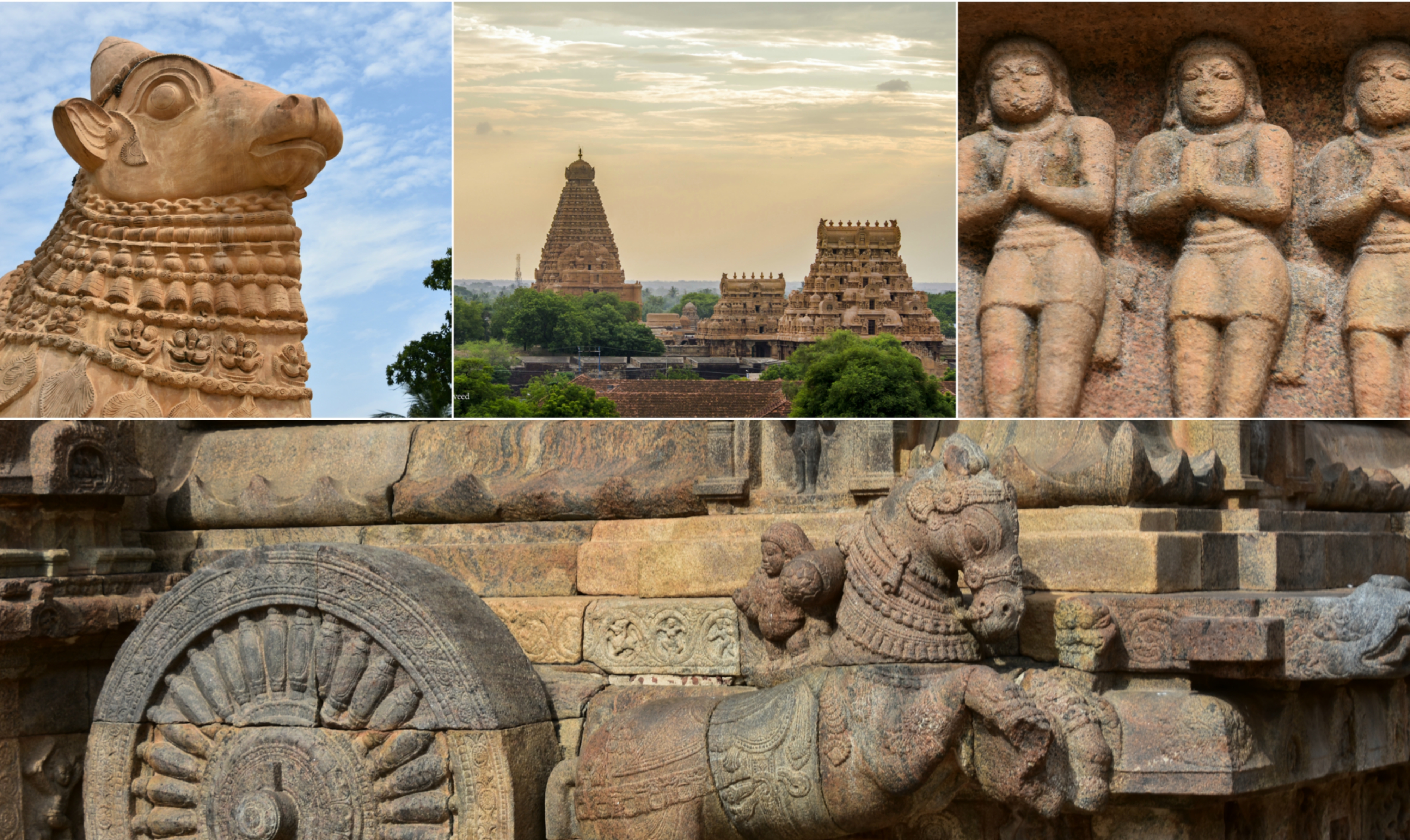
Each Navagraha temple exemplifies the distinctive architectural styles characteristic of the Dravidian tradition, featuring towering gopurams, intricately carved pillars, and sanctums dedicated to the presiding deity. While sharing common elements like vimanas and mandapas, each temple possesses unique sculptural details reflecting its specific planetary association. The craftsmanship showcases a blend of artistic expression and religious symbolism, with mythological narratives often depicted in stone. The use of granite, the layout of the temple complexes, and the ornate embellishments all contribute to the grandeur and spiritual ambiance of these sacred structures.
Gopurams and Vimanas
The monumental entrance towers (gopurams) and the pyramidal roofs over the main shrines (vimanas) are hallmark features, adorned with intricate sculptures.
Sculptural Narratives
Detailed carvings depict various deities, mythological scenes, and celestial beings, providing visual interpretations of Hindu scriptures and planetary lore.
Unique Temple Layouts
Each temple's design subtly incorporates elements relevant to its specific planetary deity, influencing the flow of worship and devotee experience.
Planning Your Pilgrimage: A Guide to the Kaveri Delta Navagraha Temples
Embarking on a pilgrimage to the Kaveri Delta Navagraha Temples requires careful planning for a fulfilling spiritual experience. The best time to visit is from October to March when the weather is pleasant. Traditional attire is preferred, and removing footwear before entering temple premises is customary. Most temples are open from 6:00 AM to 12:30 PM and 4:00 PM to 9:00 PM, with free entry. Allow 1-2 hours per temple, but a full circuit often takes 2-3 days. Transportation by car or local buses is recommended to navigate between the dispersed temple locations efficiently. Accommodation options are available in nearby towns like Kumbakonam.
Travel and Accommodation
Kumbakonam serves as a central hub for accommodation, with various hotels and guesthouses. Taxis and auto-rickshaws are readily available for inter-temple travel.
Temple Etiquette
Modest dress is expected; shoulders and knees should be covered. Photography might be restricted in certain areas. Maintain silence and respect temple customs.
Best Time to Visit
The cooler months from October to March offer comfortable weather for extensive travel and temple visits, avoiding the intense summer heat and monsoon season.
| Deity | The Navagrahas |
|---|---|
| Form | Celestial bodies/deities |
| Sampradaya | Hindu Dharma |
| Significance | The Navagrahas are the nine celestial deities in Hindu astrology, representing the planets and lunar nodes. They are believed to influence human destiny and well-being. Worshipping them in these temples is a practice to mitigate negative planetary effects and seek blessings for a harmonious life. |
The Cosmic Dance of Destiny
Across the ages, humanity has looked to the heavens, seeking understanding of fate and fortune. In Hindu tradition, the Navagrahas, or nine celestial deities, are believed to govern the cosmic energies that shape our lives. Each planet, from the mighty Sun to the shadowy Rahu and Ketu, holds sway over different aspects of existence. Devotees visit these sacred temples in the Kaveri Delta to appease these powerful planetary forces, believing that sincere prayers and offerings can mitigate adverse astrological influences, bringing peace, prosperity, and good health. This pilgrimage is a testament to the enduring faith in the celestial architects of destiny.
The celestial dance of the Navagrahas shapes our destinies; their blessings bring peace and balance to life's journey.
A pilgrimage to these sacred planetary abodes is a journey of faith, seeking divine intervention for a harmonious existence.
The Celestial Guardians of the Kaveri Delta
The Kaveri Delta Navagraha Temples form a unique and revered pilgrimage circuit in Tamil Nadu, dedicated to the nine planetary deities, or Navagrahas. Each temple is specifically associated with one of these celestial bodies, offering devotees a spiritual journey to seek blessings and mitigate perceived astrological influences. This circuit is deeply embedded in local culture, attracting pilgrims who believe in the cosmic impact of these deities on human destiny. The collective worship at these sites underscores a profound connection between celestial movements and earthly life, making it a cornerstone of Hindu astrological practices in the region.
Spiritual Significance
Pilgrims visit these temples to perform specific rituals, known as parihara pujas, to appease the planetary deities and alleviate adverse astrological effects.
Cultural Heritage
The circuit represents a rich tapestry of South Indian religious practices, preserving ancient traditions and beliefs surrounding planetary worship.
Understanding the Nine Planetary Deities and Their Cosmic Influence
The Navagrahas are nine celestial bodies in Hindu astrology: Surya (Sun), Chandra (Moon), Mangala (Mars), Budha (Mercury), Guru (Jupiter), Shukra (Venus), Shani (Saturn), Rahu (North Lunar Node), and Ketu (South Lunar Node). Each deity has a distinct iconography, vehicle (vahana), and associated color, grain, and gemstone. They are believed to govern various aspects of human life, influencing fortune, health, and well-being. Worship at their respective temples aims to balance their cosmic energies, seeking positive outcomes and mitigating negative effects. Their stories are interwoven with Hindu mythology, highlighting their roles as agents of karma and cosmic order.
Individual Iconography
Each Navagraha deity is depicted with specific attributes, gestures, and mounts, making them visually distinct and recognizable to devotees.
Astrological Significance
In Hindu astrology, the positions and movements of these planets at the time of birth are believed to determine an individual's destiny and personality.
Mitigating Influences
Pilgrims perform specific rituals and offerings at the dedicated temples to appease particular planets and seek relief from perceived negative astrological periods.
🗺 How to Reach
Hover a card to animate the journey on the map
Verified routes to Kaveri Delta Navagraha Temples on Google Maps
Common Questions
Where is Kaveri Delta Navagraha: Celestial Pilgrimage located?
Kaveri Delta Navagraha: Celestial Pilgrimage is documented at Tamil Nadu.
Which deity is associated with Kaveri Delta Navagraha: Celestial Pilgrimage?
Kaveri Delta Navagraha: Celestial Pilgrimage is associated with the Navagrahas.