A complete pilgrim record drawn from the existing published article data.
A Glimpse into the Historical Tapestry
The Kasi Viswanathar Temple boasts a rich history, with its origins deeply rooted in the Pandya era. It was originally built by King Parakrama Pandyan in the 15th century, who, legend says, sought to build a temple for Shiva after being unable to reach Varanasi. The temple served as a significant religious and cultural center, undergoing various renovations and expansions under different dynasties. Its enduring legacy is evident in the architectural styles and inscriptions found throughout the complex, chronicling the patronage of various rulers and their devotion to Lord Shiva. The temple has withstood the test of time, preserving its sanctity and historical narrative.
Founding by King Parakrama Pandyan
The temple's construction is attributed to King Parakrama Pandyan in the 15th century, driven by a divine vision to replicate the Kasi Viswanathar Temple.
Pandyan Dynasty Influence
The Pandya kings played a crucial role in the initial establishment and subsequent development of the temple, leaving an indelible mark on its architecture and administration.
Centuries of Legacy
Through various periods, including Nayak and later kingdoms, the temple maintained its prominence, with each era adding to its rich historical and architectural layers.
Architectural Marvels and Dravidian Grandeur
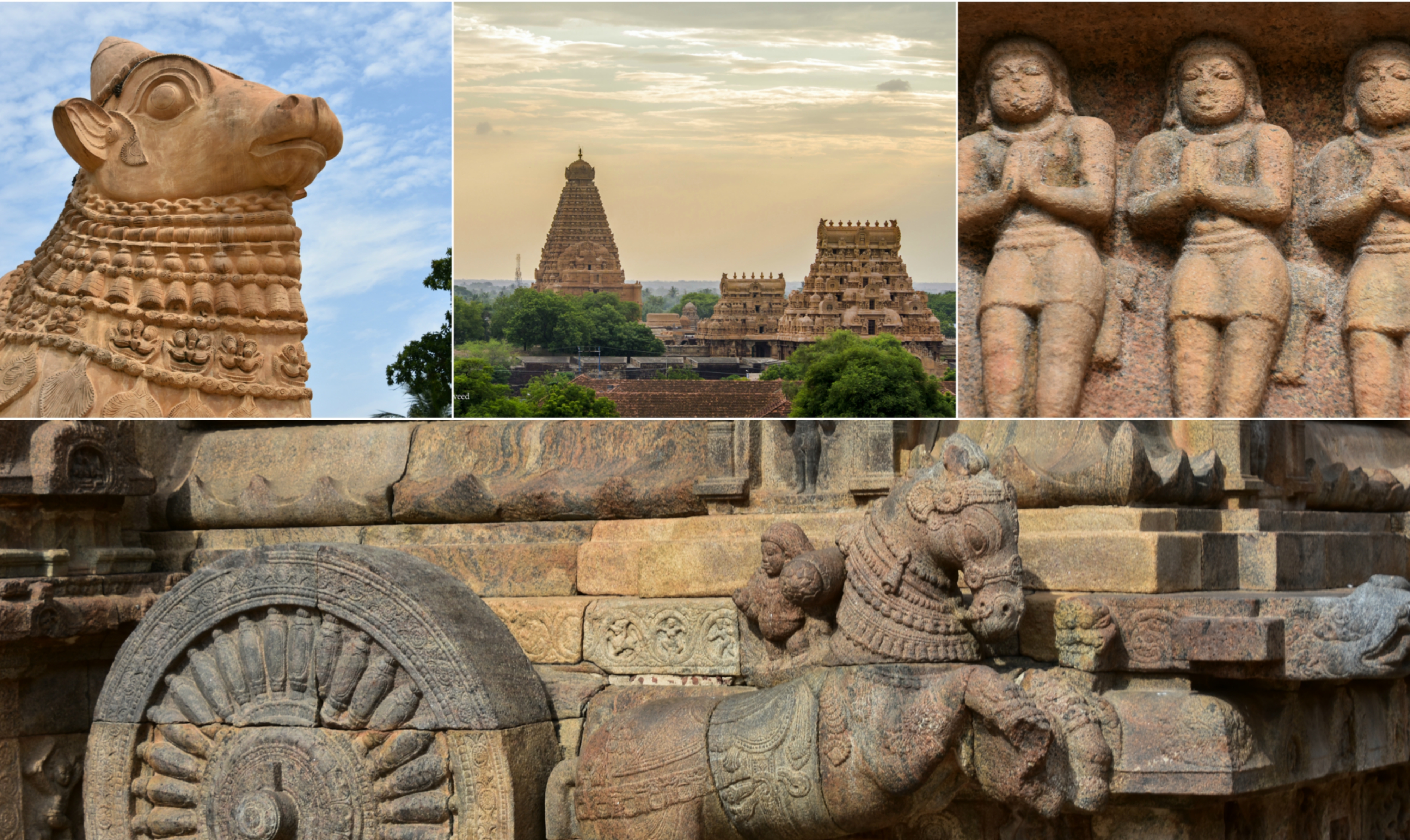
The Kasi Viswanathar Temple exemplifies classic Dravidian architecture, characterized by its towering gopurams and intricate sculptural details. The main gopuram, though partially destroyed and rebuilt, remains a majestic structure, adorned with mythological figures and deities. Within the temple complex, numerous mandapams (halls) feature finely carved pillars, depicting scenes from Hindu mythology and daily life. The sanctum sanctorum houses the main deity, Lord Viswanathar, with the surrounding prakarams (circumambulatory paths) showcasing exquisite craftsmanship in stone. Every corner of the temple reflects the artistic prowess and devotion of its builders, making it a visual spectacle of ancient Tamil architecture.
Towering Gopuram
The temple's majestic gopuram, though rebuilt, stands as a prominent landmark, showcasing multi-tiered structures adorned with stucco sculptures of gods and goddesses.
Ornate Mandapams
Several mandapams, including the Artha Mandapam and Maha Mandapam, feature intricately carved pillars and ceilings, depicting mythological narratives and divine forms.
Exquisite Sculptural Details
The temple walls, pillars, and Vimana are embellished with a plethora of sculptures, showcasing the high level of artistry and devotion of the artisans.
Divine Deities and Enduring Legends
At the heart of the Kasi Viswanathar Temple are its presiding deities, Lord Viswanathar (Shiva) and his consort, Goddess Ulagamman (Parvati). Lord Viswanathar is worshipped in the form of a lingam, revered for its spiritual power and blessings. Goddess Ulagamman, the Mother of the Universe, is enshrined in a separate sanctum, embodying grace and compassion. The temple is steeped in captivating myths, including the legend of King Parakrama Pandyan's vision to build a temple identical to the one in Varanasi. Another significant legend recounts the miraculous appearance of Shiva's lingam, further cementing the temple's divine origins and spiritual allure.
Lord Viswanathar
The primary deity, Lord Viswanathar, is worshipped as a Shiva lingam, believed to possess immense spiritual energy and grant the wishes of devotees.
Goddess Ulagamman
Goddess Ulagamman, the divine consort of Lord Viswanathar, is revered for her benevolent nature and is worshipped for prosperity and well-being.
Captivating Myths
Legends surrounding the temple's construction by King Parakrama Pandyan and the miraculous appearance of the lingam add to its mystical charm and spiritual significance.
Planning Your Sacred Visit
Planning a visit to the Kasi Viswanathar Temple promises a fulfilling pilgrimage. The temple is open daily from 6:00 AM to 12:30 PM and again from 4:00 PM to 9:00 PM, with free entry for all visitors. The best time to experience its serene ambiance is between October and March, avoiding the intense summer heat. While there's no strict dress code, traditional attire is preferred to show respect, and footwear must be removed before entering. Allow 1-2 hours to explore the temple's architectural beauty and participate in darshan. The temple is easily accessible via Tenkasi Bus Stand and Tenkasi Junction railway station, with ample parking nearby.
Temple Timings and Entry
The temple is open from 6:00 AM – 12:30 PM and 4:00 PM – 9:00 PM. Entry is free for all visitors, allowing everyone to experience its spiritual aura.
Best Time and Dress Code
The ideal time to visit is from October to March for pleasant weather. Traditional attire is preferred, and visitors are required to remove footwear before entering the premises.
Accessibility and Facilities
Located in Tenkasi, the temple is well-connected by bus and train (Tenkasi Junction). Parking facilities are available near the temple, ensuring convenient access for pilgrims.
| Deity | the Hindu god Shiva |
|---|
A Temple's Silent History
No specific mythological story or legend is known for this temple from the provided information. The Kasi Viswanathar Temple in Tenkasi stands as a testament to devotion, its origins and specific legends awaiting further discovery or oral traditions.
May the divine presence of Viswanathar in Tenkasi bless all who seek solace and spiritual connection.
A sacred space where timeless devotion meets the tranquil beauty of Tamil Nadu.
Related temples: Aakkoor Thanthondreeswarar Temple | Abhaya Varadeeswarar Temple, Adirampattinam
Introduction to Kasi Viswanathar Temple, Tenkasi
The Kasi Viswanathar Temple in Tenkasi, Tamil Nadu, stands as a profound testament to spiritual devotion and historical grandeur. Dedicated to the Hindu god Shiva, specifically as Viswanathar, this revered shrine is a significant pilgrimage site. It encapsulates centuries of Dravidian architectural brilliance and cultural heritage. Pilgrims and visitors are drawn to its tranquil atmosphere and the powerful spiritual vibrations emanating from its ancient sanctums. The temple offers a glimpse into South Indian religious practices and artistic traditions, making it a cornerstone of Tenkasi's identity.
Spiritual Significance
Dedicated to Lord Shiva, the temple is considered a sacred abode, offering blessings and spiritual solace to devotees. It is believed to be a replica of the Kasi Viswanathar Temple in Varanasi.
Historical Grandeur
The temple's long history dates back centuries, reflecting the enduring legacy of the Pandya dynasty and subsequent rulers who contributed to its development and preservation.
Modern Pilgrimage and Accessibility
The Kasi Viswanathar Temple remains a vibrant and essential pilgrimage site in contemporary South India, drawing a steady stream of devotees from across Tamil Nadu and neighboring states. Its historical grandeur is matched by its enduring spiritual relevance, with pilgrims visiting throughout the year to seek blessings from Lord Shiva and Goddess Ulagamman. Many undertake specific vows, perform elaborate abhishekams, or offer prayers for prosperity, health, and spiritual solace, continuing ancient traditions in a modern context. The temple's daily rituals are meticulously observed, providing a continuous spiritual anchor, while major festivals like Maha Shivaratri and Navaratri transform the complex into a bustling center of devotion, attracting thousands who participate in special pujas, processions, and cultural programs, reinforcing its status as a living tradition. For the modern pilgrim, Tenkasi offers a relatively accessible and comfortable experience, making the spiritual journey more convenient. The town is well-connected by road and rail, facilitating travel from major urban centers in Tamil Nadu and Kerala. While the temple itself preserves its ancient architectural integrity, the surrounding infrastructure has adapted to cater to visitors. A variety of accommodation options, ranging from budget-friendly guesthouses to more comfortable hotels, are available, alongside numerous eateries serving traditional South Indian cuisine. Local guides are often on hand to elucidate the temple's rich history and spiritual significance, enriching the pilgrimage. The temple management also ensures basic amenities like clean drinking water and restroom facilities, contributing to a pleasant and fulfilling experience for the increasing number of devotees.🗺 How to Reach
Hover a card to animate the journey on the map
Verified routes to Kasi Viswanathar Temple, Tenkasi
Common Questions
Where is Kasi Viswanathar Temple: Ancient Shiva Shrine in Tenkasi located?
Kasi Viswanathar Temple: Ancient Shiva Shrine in Tenkasi is documented at Madurai, Tamil Nadu.
Which deity is associated with Kasi Viswanathar Temple: Ancient Shiva Shrine in Tenkasi?
Kasi Viswanathar Temple: Ancient Shiva Shrine in Tenkasi is associated with Shiva.