A complete pilgrim record drawn from the existing published article data.
The Kamaleswarar Temple, nestled in Chennai's Pudupet neighborhood, stands as a significant Hindu temple. It gained prominence through its association with the influential 18th-century dubash, Pachaiyappa Mudaliar.


History & Foundation
Origins and Patronage
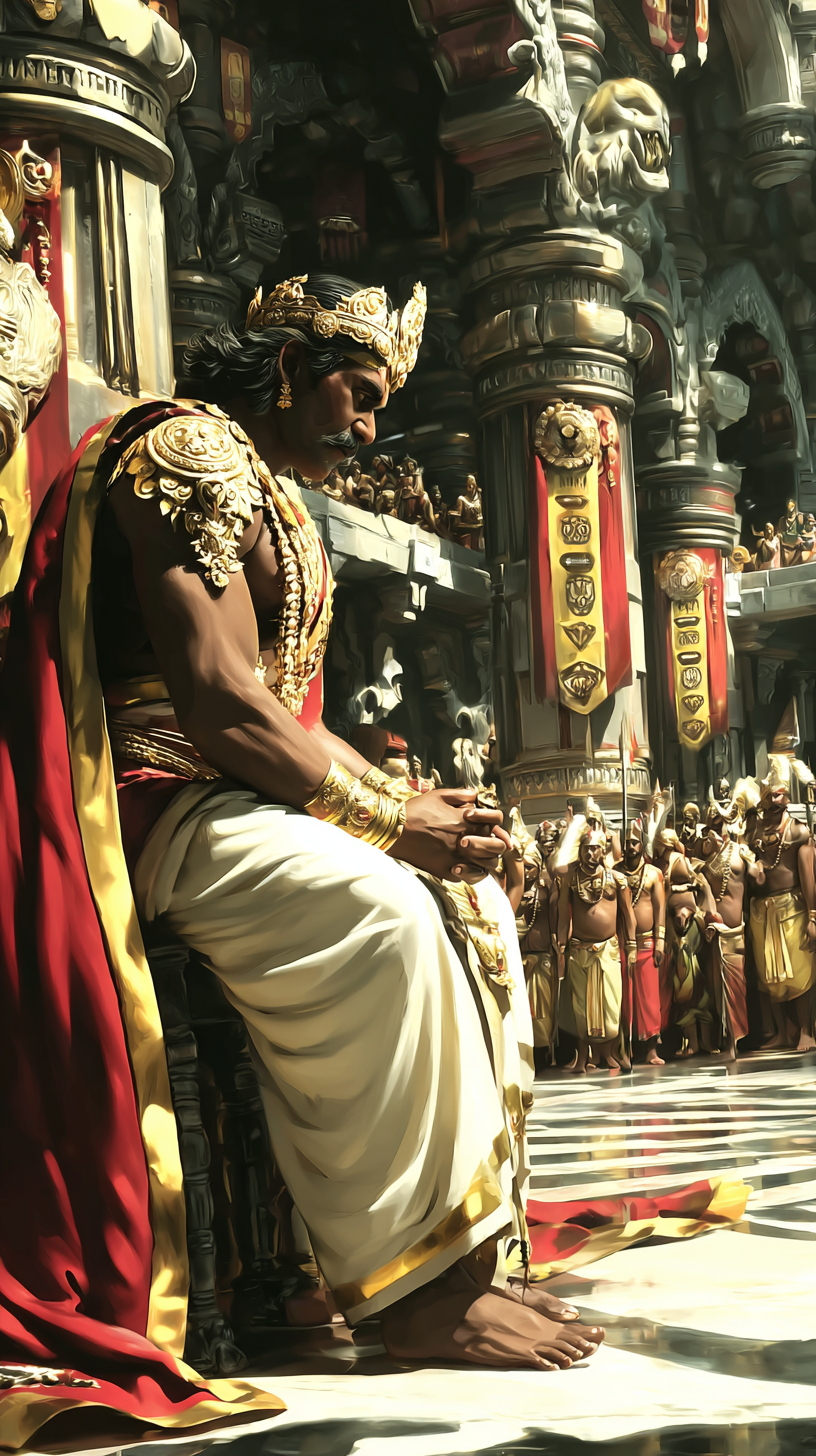
The Kamaleswarar Temple was established in the 18th century, a period of significant cultural and architectural development in South India. Its construction was notably commissioned by Pachaiyappa Mudaliar, a prominent dubash of his time. Mudaliar's patronage reflects the deep devotion and philanthropic spirit of influential individuals during that era.
His involvement underscores the temple's historical importance and its connection to the social fabric of 18th-century Chennai. The temple stands as a testament to his legacy and commitment to religious endowments.

Historical Context in Pudupet
Located in the Pudupet neighborhood, the temple has been an integral part of the local community for centuries. It served as a spiritual anchor, drawing devotees from Chennai and surrounding areas. The temple's presence contributed to the religious landscape of the burgeoning city.
Its foundation aligns with the broader trend of temple building and renovation across Tamil Nadu, preserving ancient traditions. This historical continuity makes Kamaleswarar Temple a valuable heritage site.
"Pachaiyappa Mudaliar's commissioning of the Kamaleswarar Temple highlights the enduring tradition of wealthy patrons supporting religious institutions in South India."
Architecture & Deity
Dravidian Grandeur
The Kamaleswarar Temple showcases the distinctive Dravidian architectural style, characterized by its towering gopurams, intricate carvings, and robust stone construction. This style, prevalent in South Indian temples, emphasizes pyramidal structures and detailed sculptural work. The temple's design reflects centuries of architectural evolution.
Elements such as mandapams (pillared halls) and vimanas (tower above the sanctum) are crafted with traditional techniques. These features create a sacred space that is both aesthetically pleasing and spiritually resonant, typical of temples in Tamil Nadu.

The Presiding Deity: Kamaleswarar
The main deity enshrined here is Kamaleswarar, a form of Lord Shiva. As a Shaiva temple, it primarily venerates Shiva, one of the principal deities of Hinduism. The central icon is a Shiva Lingam, symbolizing the cosmic energy and divine generative power of Shiva.
Devotees visit to offer prayers to Kamaleswarar, seeking blessings for prosperity and spiritual well-being. The Lingam represents the formless aspect of God, making it a powerful focal point for meditation and devotion.
What is a Dubash?
A dubash was an interpreter and agent for European traders in India, particularly during the 17th-19th centuries, often accumulating significant wealth and influence.

Festivals & Traditions
Daily Rituals and Observances

Community Engagement and Shaiva Practices
The traditions practiced here are deeply rooted in the broader Shaiva Siddhanta philosophy, emphasizing devotion (bhakti) and adherence to dharma. Visitors can experience the serene and devotional atmosphere characteristic of a traditional South Indian temple.
Over 250 years of continuous worship have been offered at Kamaleswarar Temple since its 18th-century foundation.Visiting the Temple
Planning Your Visit
Located in Chennai, the temple offers a peaceful retreat from the bustling city life. It provides an opportunity to experience traditional South Indian spirituality and architecture firsthand. Consider combining your visit with other cultural attractions in the area.

Accessibility & Nearby Sites
Reaching the temple is convenient. It is approximately 15 km from Chennai International Airport and just 3 km from Chennai Central Railway Station, ensuring easy access by various modes of transport. Local buses and taxis frequently serve the Pudupet area.
For those interested in a temple circuit, Kamaleswarar Temple can be visited alongside other significant shrines like the Parthasarathy Temple, Ekambareswarar Temple, and Kapaleeshwarar Temple. This allows for a comprehensive exploration of Chennai's rich religious heritage.
Travel Tip: Combine Your Visit
Plan your trip to Kamaleswarar Temple with a visit to the nearby Chennai Central Railway Station area, which is a hub for local transport and dining options.
Sacred Stories
Spiritual Significance of Shiva
While specific founding legends or detailed mythological narratives directly associated with the Kamaleswarar Temple are not extensively documented, the temple embodies the profound spiritual significance of Lord Shiva. As a Shaiva shrine, it draws from the rich tapestry of Puranic stories and philosophical traditions centered around Shiva. Devotees connect with the divine through the Shiva Lingam, a potent symbol of creation and dissolution.
The reverence for Shiva in his various forms, including Kamaleswarar, is deeply ingrained in South Indian culture. Pilgrims often meditate on the universal truths represented by Shiva, such as cosmic dance, asceticism, and ultimate liberation. The temple serves as a place for personal spiritual reflection and devotion to the supreme being.

Embodiment of Devotion
The very existence of the Kamaleswarar Temple, commissioned by Pachaiyappa Mudaliar, is a story of human devotion and patronage. It reflects the belief that constructing and maintaining temples accrues spiritual merit. This act of foundation itself becomes a sacred narrative, passed down through generations.
The daily rituals and prayers performed here continue a timeless tradition, creating an ongoing sacred story for the community. Each visit contributes to the temple's living history and spiritual legacy.
"The Shiva Lingam at Kamaleswarar Temple represents the eternal, formless aspect of the divine, inviting deep spiritual contemplation."
🗺 How to Reach
Hover a card to animate the journey on the map
Route to Kamaleswarar Temple: Chennai's 18th-Century Shaiva Shrine
Common Questions
Where is Kamaleswarar Temple: Chennai's 18th-Century Shaiva Shrine located?
Kamaleswarar Temple: Chennai's 18th-Century Shaiva Shrine is documented at Tamil Nadu.
Which deity is associated with Kamaleswarar Temple: Chennai's 18th-Century Shaiva Shrine?
Kamaleswarar Temple: Chennai's 18th-Century Shaiva Shrine is associated with Kamaleswarar.
Related Temples


A Living Covenant