A complete pilgrim record drawn from the existing published article data.
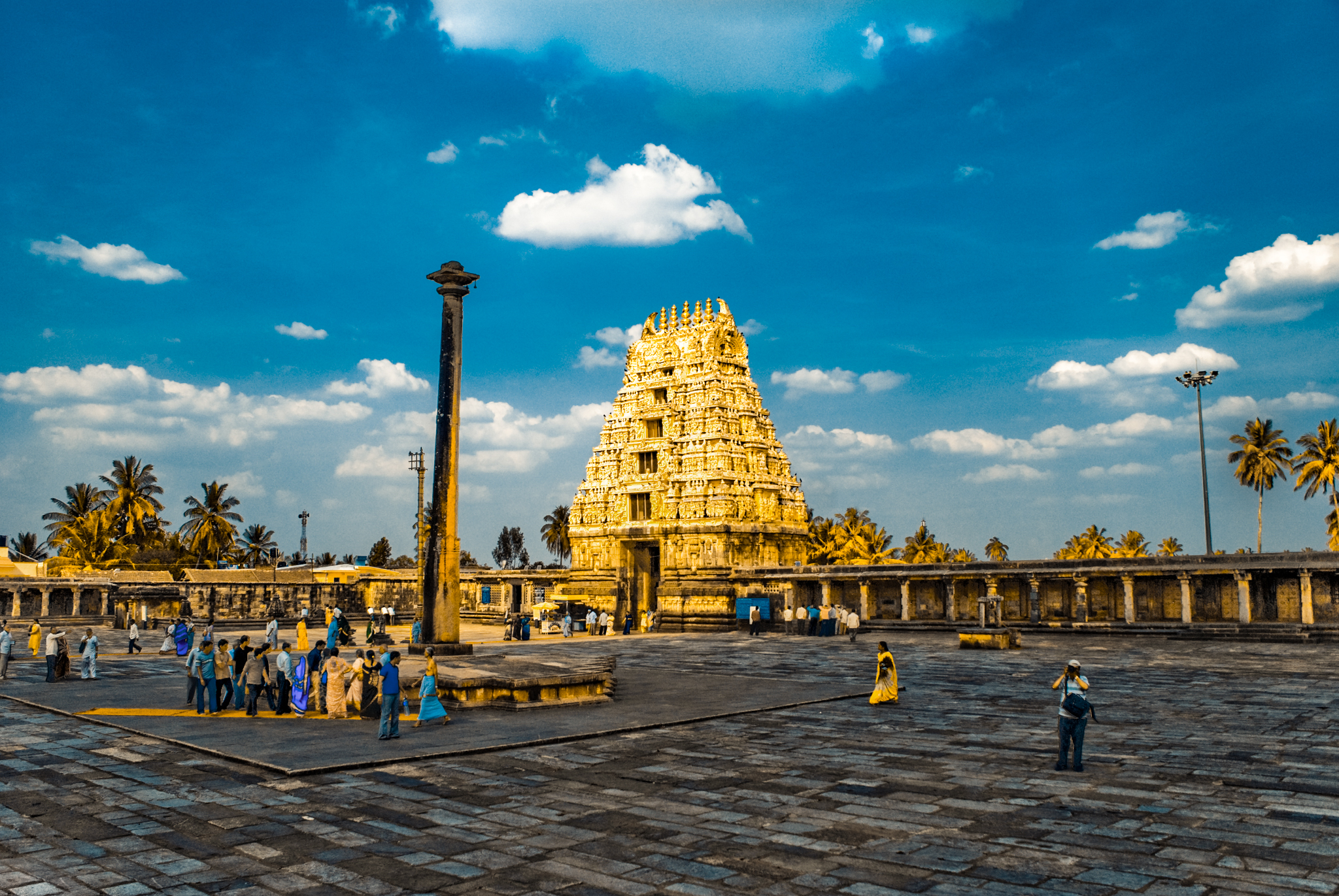
The Hoysala Temples of Belur and Halebidu stand as a testament to the architectural brilliance and artistic zenith of the Hoysala dynasty in Karnataka. These UNESCO World Heritage Sites are celebrated globally for their unparalleled intricate carvings and unique star-shaped platforms.
History & Foundation
Royal Patronage and Dynastic Legacy
Shortly after, the Hoysaleshwara Temple at Halebidu began construction in 1121 CE. These temples symbolize not just religious devotion but also the political strength and artistic aspirations of the Hoysala rulers. Inscriptions at both sites meticulously document their construction phases and royal patronage.
Hoysala Temple Construction Timeline
- 1117 CE: Chennakeshava Temple, Belur, commissioned by King Vishnuvardhana.
- 1121 CE: Hoysaleshwara Temple, Halebidu, construction begins.
- 12th–13th Centuries CE: Peak period of Hoysala temple building.
Evolution of a Unique Style
"The Hoysala temples are a symphony in stone, where every inch tells a story." Their unique design, including star-shaped platforms, enhances both structural stability and aesthetic appeal. These architectural marvels were collectively designated a UNESCO World Heritage Site in 2023, recognizing their outstanding universal value.

Architecture & Deity
Sculptural Grandeur
Hoysala architecture is renowned for its sculptural richness. The temples feature multi-tiered narrative friezes that vividly depict scenes from the Ramayana, Mahabharata, and Bhagavata Purana. These detailed carvings wrap around the temple walls, creating a continuous visual epic.

Deities and Iconography
The primary deity at Belur is Chennakeshava, a beautiful form of Vishnu, reflecting the temple's Vaishnavite tradition. At Halebidu, the Hoysaleshwara Temple is dedicated to Shiva, aligning with the Shaiva tradition. Both complexes house numerous secondary deities, including Goddess Lakshmi, Parvati, Surya, Narasimha, and Varaha.
Main Deities
- Chennakeshava (Vishnu): Belur (Vaishnava tradition)
- Hoysaleshwara (Shiva): Halebidu (Shaiva tradition)
- Consort Deities: Lakshmi, Parvati
The iconography is unique for its star-shaped temple platforms, which provide additional surface area for carvings and enhance structural symmetry. The individualised madanikai sculptures, with their distinct poses and ornaments, are a hallmark of Hoysala art, making these temples one-of-a-kind in their density and precision of narrative sculpture.
Definition: Vesara Style
A hybrid Indian temple architectural style, blending elements of North Indian Nagara and South Indian Dravida styles, prominently seen in the Deccan region.

Festivals & Traditions
Vibrant Celebrations
The Hoysala temples are not just historical monuments but living centers of worship. The Chennakeshava Temple at Belur celebrates its annual Brahmotsava during March–April, a grand festival featuring elaborate processions, traditional music, and dance performances. This event draws thousands of devotees and tourists.
At the Hoysaleshwara Temple in Halebidu, Maha Shivaratri, observed in February–March, is a major celebration. It involves night-long vigils, special abhisheka rituals, and fervent devotion to Lord Shiva. These festivals are vibrant expressions of the region's cultural and religious heritage.

Rituals and Artistic Heritage
Daily rituals, including multiple pujas and specific offerings like tulasi archana and sandalwood paste, are performed at both temples. These practices maintain the spiritual sanctity of the sites. The temples also have a rich artistic legacy, traditionally associated with devadasi traditions.
The sculptures themselves have inspired classical Indian dance forms, particularly Bharatanatyam, with many poses directly reflecting the temple's intricate carvings. The temples continue to be a source of inspiration for artists and performers. Over 500,000 visitors annually explore these sites, drawn by their beauty and spiritual significance.

Visiting the Temple
Planning Your Visit
Connectivity is excellent: Kempegowda International Airport, Bengaluru, is approximately 180 km away, and Hassan Junction Railway Station is just 16 km from Belur and 32 km from Halebidu. Planning your trip around these transportation hubs ensures a smooth journey.
Visitor Guidelines and Nearby Attractions
Visitors are requested to observe a modest dress code and remove footwear before entering temple premises. Pro Tip: Avoid flash photography inside the sanctums to preserve the ancient carvings. The Archaeological Survey of India (ASI) manages these sites, ensuring their conservation.
Extend your cultural journey by visiting nearby temples such as the Lakshmi Devi Temple in Doddagaddavalli, or the monumental Jain site of Shravanabelagola. The Ishvara Temple at Arasikere also offers further insights into Hoysala architecture. For more on Karnataka's heritage, explore other heritage sites in Karnataka.
Key Takeaway for Visitors
Immerse yourself in the intricate artistry and rich history of the Hoysala temples, but remember to respect local customs and conservation efforts during your visit.


Sacred Stories
Mythological Narratives in Stone
The walls of Hoysala temples are a canvas for India's rich mythological heritage. Narrative panels intricately carve episodes from the Ramayana, including Rama’s exile and Sita’s abduction. The Mahabharata is depicted through scenes like the Kurukshetra war and Krishna’s teachings, offering profound spiritual lessons.
Beyond the epics, the temples feature mythological events such as Krishna lifting Govardhana Hill and Rama worshipping Shiva before crossing to Lanka. These visual stories served as educational tools, bringing sacred texts to life for devotees and visitors alike.

Legends of Devotion
King Vishnuvardhana's Conversion
Legend states that King Vishnuvardhana, initially a Jain, converted to Vaishnavism under the guidance of the philosopher-saint Ramanujacharya. This spiritual transformation inspired the construction of the magnificent Chennakeshava Temple at Belur, dedicated to Lord Vishnu.
"Every carving is a prayer, every pillar a testament to faith." The temples thus embody a profound connection between royal power, religious transformation, and artistic expression, reflecting the spiritual ethos of the Hoysala era.

🗺 How to Reach
Hover a card to animate the journey on the map
Route to Hoysala Temples: Stone Lace Masterpieces of Karnataka
Related Temples


A Living Covenant