
A complete pilgrim record drawn from the existing published article data.
Deity Profile
Vishnu is the presiding deity worshipped at this temple.
- Main Deity: Vishnu
- Form: Govindaraja Perumal (standing form)
- Consort: Pundarikavalli Thayar
- Tradition: Vaishnava
Timeline
A heritage Woven in Time: The Historical Context
The Sanctity of the Divya Desam
Royal Patronage and Shifting Allegiances
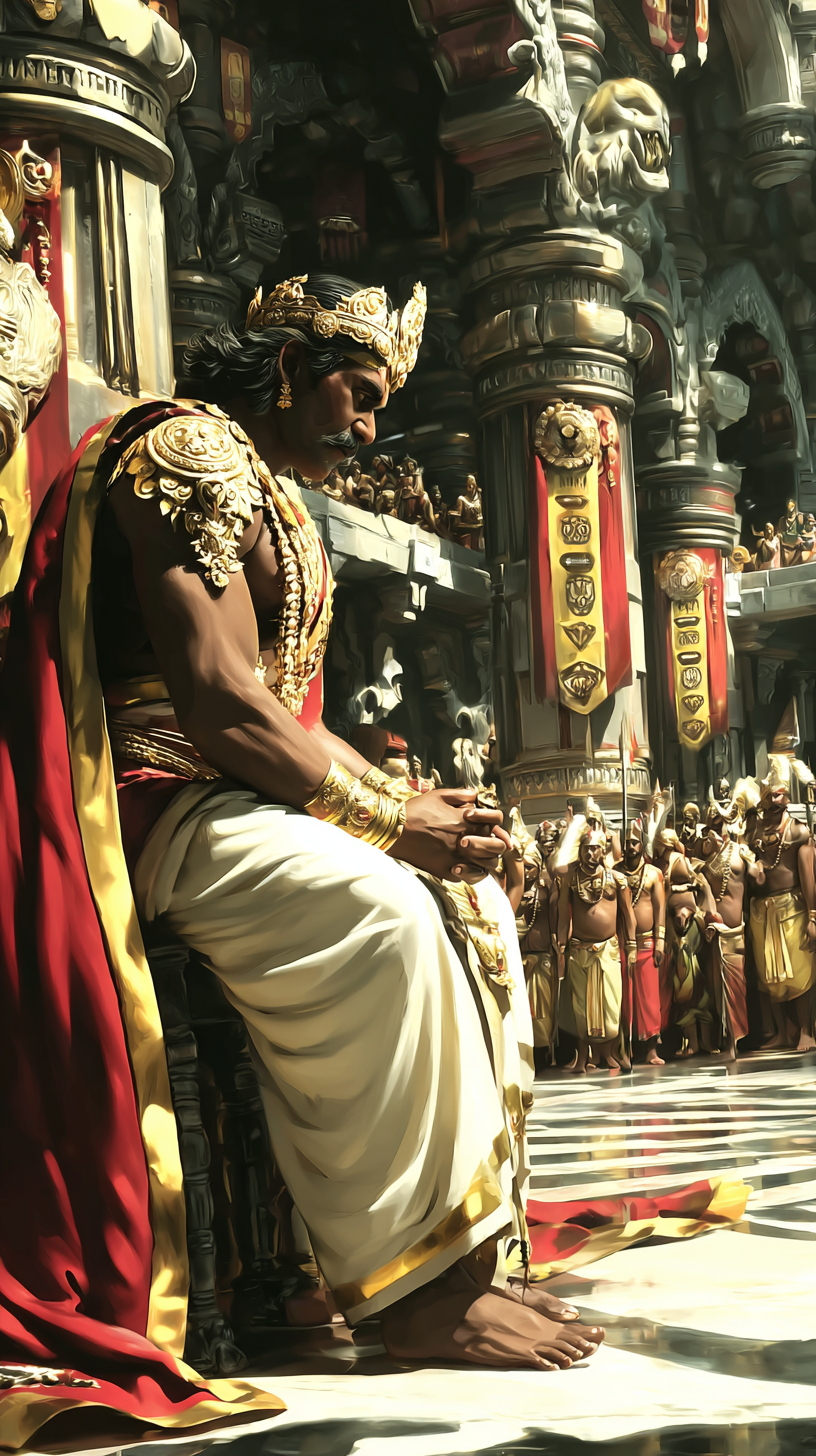
The Controversy of Iconography
The subsequent reinstatement of the Vishnu image by King Krishnappa Nayak in the 16th century speaks volumes about the enduring spiritual mandate of the Vaishnava faith in Tamil Nadu, successfully navigating the resistance from the Shaiva tradition to reestablish the divine presence.
Architectural Marvels: The Dravidian Expression
Structural Elements and Craftsmanship
The architecture is a physical manifestation of the spiritual concepts worshipped within. The layout of the temple is designed to guide the devotee through a sacred progression, from the outer world to the divine presence within the sanctum sanctorum.
The Fusion of Styles
The Divine Presence: Deities and Sacred Legends
Sthala Purana
Govindaraja is believed to have descended upon the earth for the sage Kanva and the 3,000 Dikshitars of the Thillai Natarajar temple. The site—originally Thillai, named after Tillai mangroves—is tied to the cosmic dance contest between Shiva and Parvati, where Vishnu was invited as final judge; Shiva performed the Urdhva Tandavam here, leading to Parvati’s transformation into Kali at Thillai Kali temple.
At the core of the temple lies the divine presence of Vishnu, worshipped here as Govindaraja Perumal, accompanied by his consort, Lakshmi as Pundarikavalli Thayar. These divine pairings represent the perfect harmony of cosmic order, material prosperity, and spiritual realization.
Govindaraja Perumal: The Embodiment of Grace
The Mythological Undercurrents
These legends, while sometimes esoteric, serve to ground the abstract concepts of divinity in tangible, relatable human experiences, making the worship accessible to all levels of devotion.
Rhythms of Devotion: Festivals and Rituals
The life of the temple pulses with the rhythm of ritual and celebration. The priests maintain a rigorous schedule of daily worship, ensuring that the divine presence is honored continuously. The major festivals are vibrant spectacles that draw communities together in shared devotion.
The Six Daily Rituals
The daily worship schedule is meticulously observed, involving six distinct rituals performed throughout the day. These rituals are characterized by precise sequences of decoration, food offerings, and the waving of lamps, ensuring a continuous flow of sacred energy.
- Ushathkalam at 7 a.m.
- Kalasanthi at 8:00 a.m.
- Uchikalam at 12:00 p.m.
- Sayarakshai at 6:00 p.m.
- Irandamkalam at 7:00 p.m.
- Ardha Jamam at 10:00 p.m.
The Grand Chittirai Festival
A Guide for the Devoted Traveler
For those planning a visit to this sacred site, understanding the practicalities ensures a more meaningful and respectful experience. Chidambaram is a place where history breathes and spirituality flows freely. Here is what you need to know to navigate this sacred landscape.
Getting There and Essential Information
The temple is situated in the historic town of Chidambaram, a vibrant center in the South Indian state of Tamil Nadu. Approaching the temple requires navigating the rich cultural heritage of the region.
Visitor Etiquette and Conduct
- Dress Code: Dress modestly, respecting the sacred nature of the site. Shoulders and knees should be covered as a sign of respect.
- Rituals: Observe the daily rituals with quiet reverence. Do not disrupt the priests during their sacred duties.
- Offerings: If you wish to make offerings, do so with humility and respect for local customs.
Connecting with the Legacy
We invite you to explore deeper into the rich history of South Indian spirituality. Explore related insights on Related Temple to discover more about the sacred geography of Tamil Nadu.
Related temples: Aakkoor Thanthondreeswarar Temple | Abeyadana Temple
🗺 How to Reach
Hover a card to animate the journey on the map
Route to Chidambaram
Common Questions
Where is Govindaraja Perumal Temple: Divine History and Architecture... located?
Govindaraja Perumal Temple: Divine History and Architecture... is documented at Chidambaram, Tamil Nadu.
Which deity is associated with Govindaraja Perumal Temple: Divine History and Architecture...?
Govindaraja Perumal Temple: Divine History and Architecture... is associated with Vishnu.
Related Temples


A Living Covenant