A complete pilgrim record drawn from the existing published article data.
Journey with us into the heart of Dravidian architectural brilliance, where monumental gateways define the spiritual landscape of South India. We explore the world of the Gopuram—not merely an entrance, but a towering symphony of stone, sculpture, and cosmic narrative that stands as the visual threshold to the divine realms of Hindu temples.
Timeline
From the sun-drenched temples of Tamil Nadu to the intricate carvings of Sri Lanka, the Gopuram is the signature mark of South Indian religious art. These monumental structures are more than just architectural adornments; they are physical manifestations of spiritual aspiration, embodying the artistic and political history of the region.
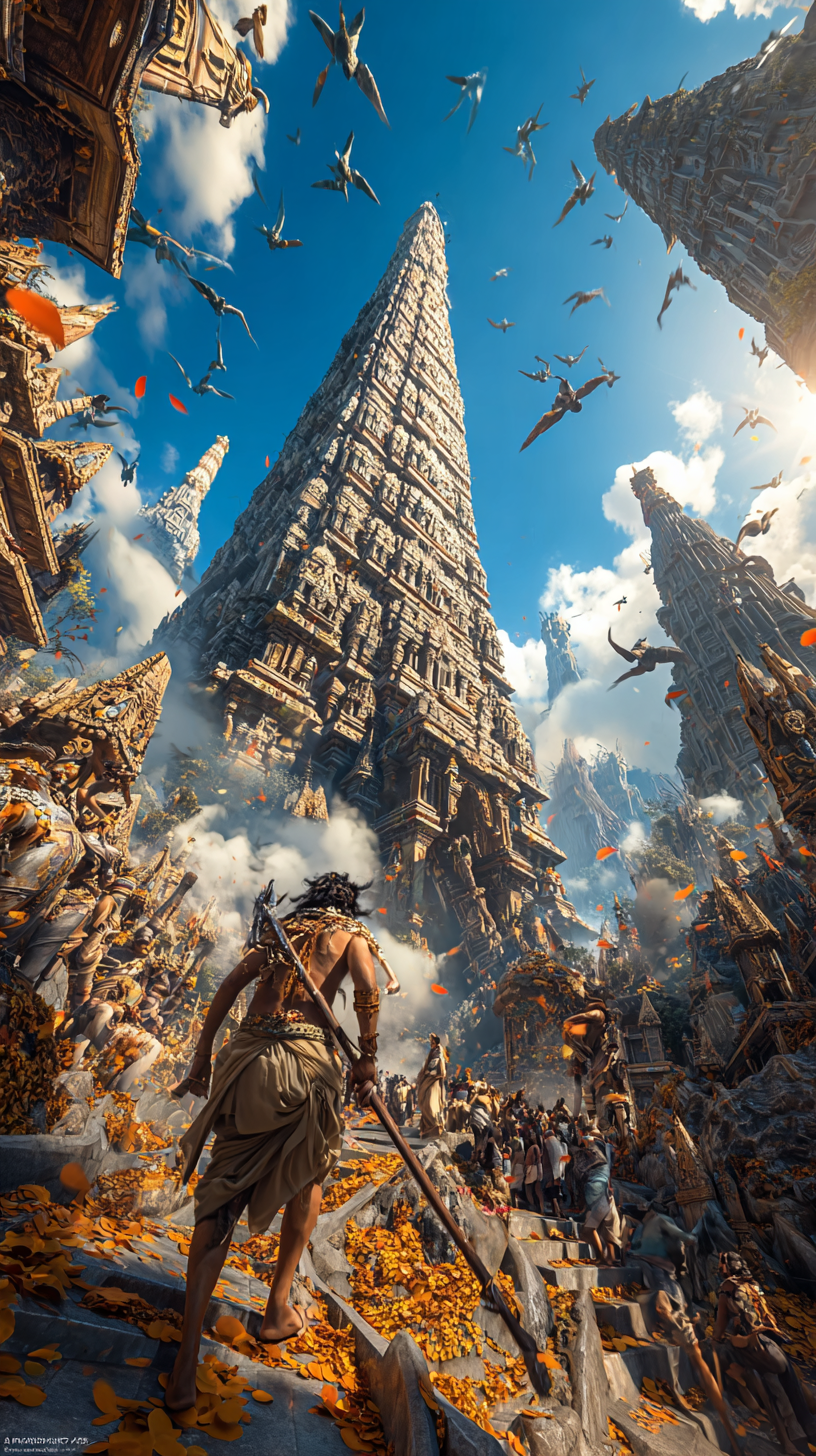
Evolution Through Dynastic Eras
As the centuries unfolded, the architectural scale and decorative complexity of the Gopurams changed dramatically, reflecting the power and artistic patronage of successive empires. The Cholas, for instance, expanded these forms significantly, as evidenced by structures like the 11th-century Brihadeeswarar Temple in Thanjavur. This period marked a crucial step forward, introducing multi-storeyed gateways that dwarfed earlier examples.
Later rulers, such as the Pandyas in the twelfth century, further solidified the Gopuram's role, making these gateways a dominant feature of the temple’s outer appearance. This progression shows a clear trajectory: from early markers to colossal architectural statements.
"The Gopuram’s evolution mirrors the rise of South Indian empires; it is a living chronicle carved in stone, reflecting the ambition and devotion of those who built it."
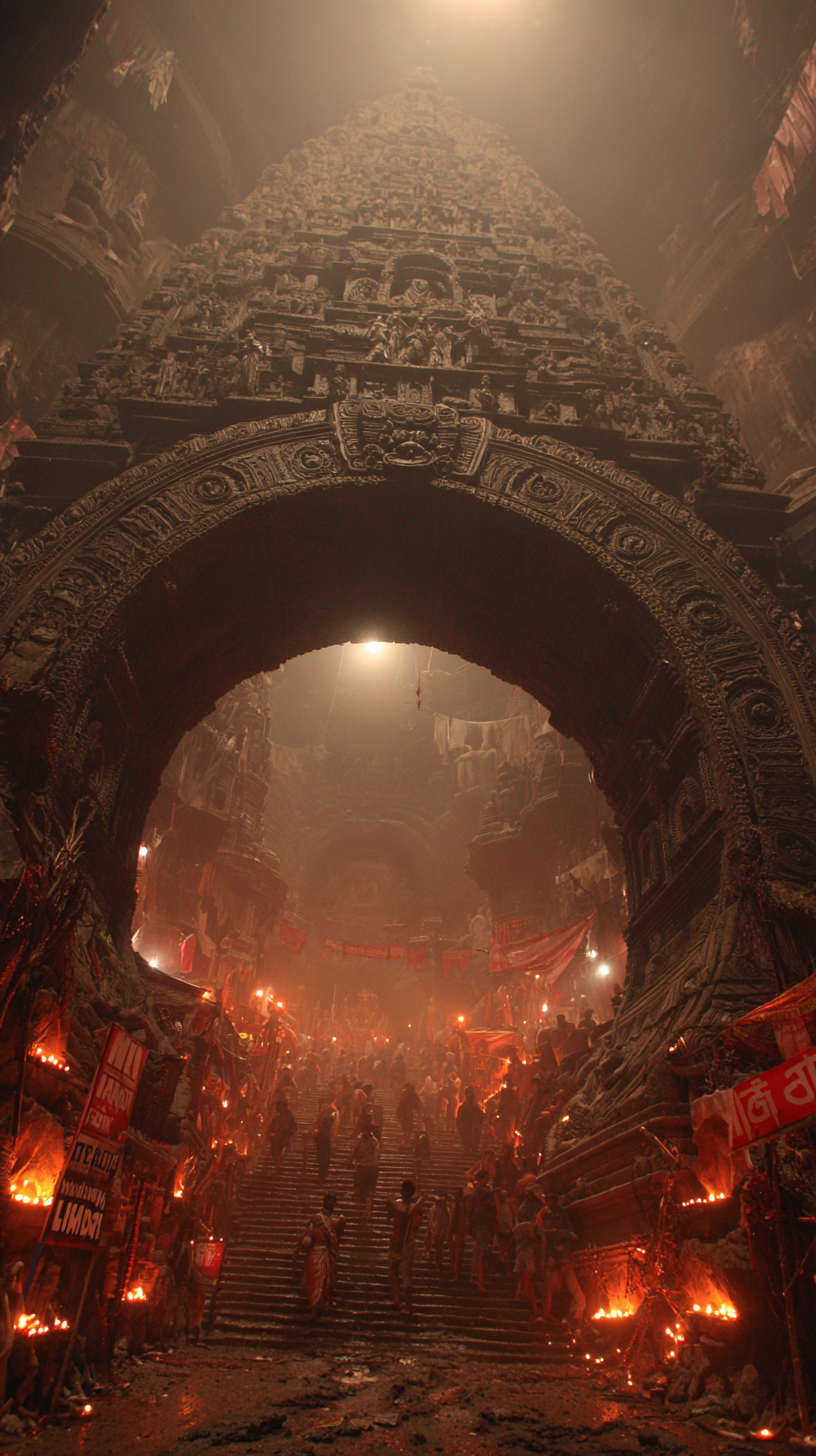
The tower is usually supported by richly decorated wooden doors at the ground level, providing access to the sacred space within. Above these portals, the structure transitions into the soaring vertical mass that defines the temple’s exterior.
Ornamentation and Sculpture: The Narrative Walls
What truly sets the Gopuram apart is its exquisite decoration. These massive facades are canvases for storytelling. The walls are densely covered with intricate sculptures and carvings, painted in a variety of themes drawn directly from Hindu mythology. Every niche, every pillar, and every level is populated with scenes depicting gods, goddesses, celestial beings, and epic narratives.
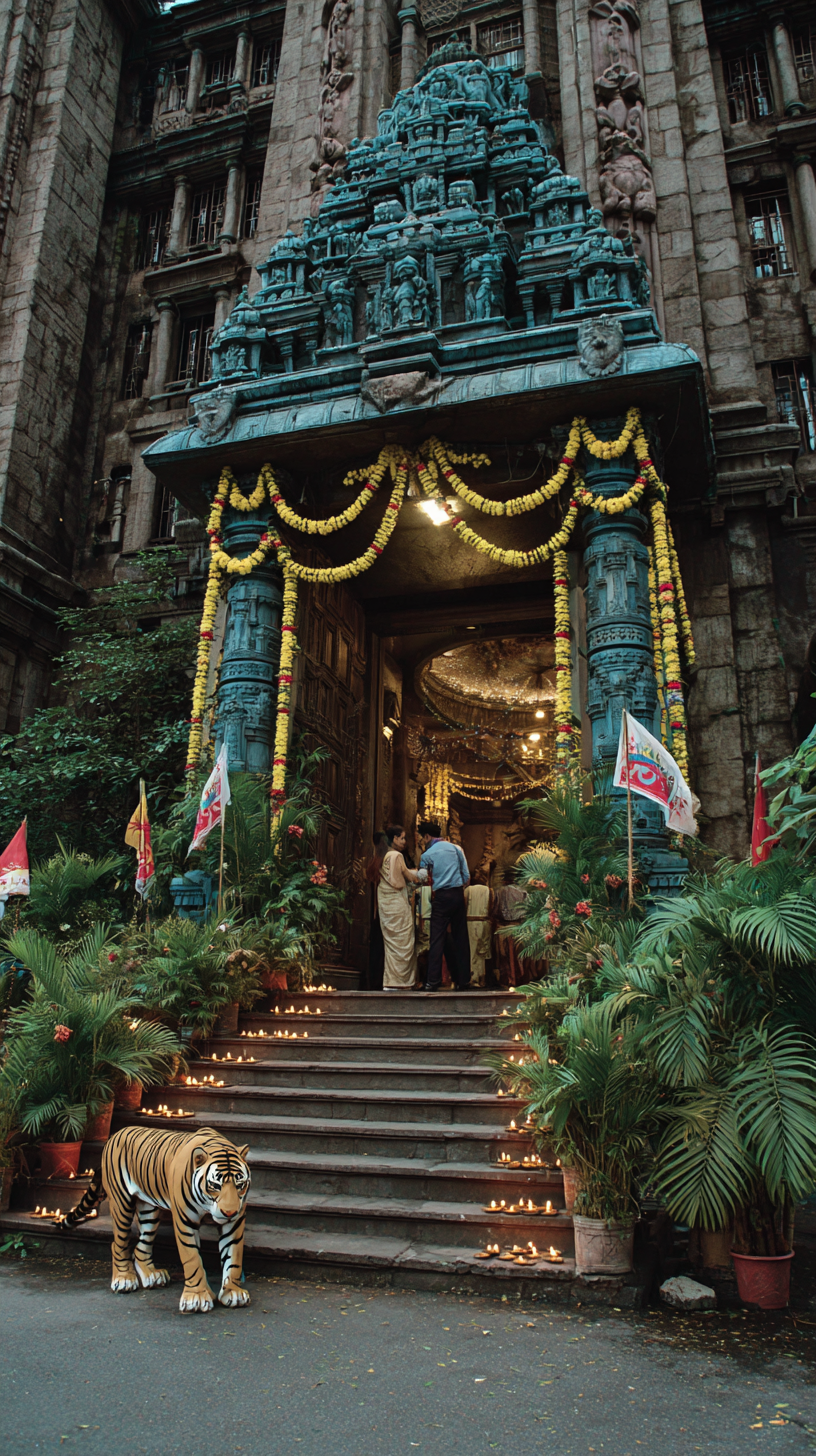
The Spiritual Heart: Deity, Legends, and Architectural Context
Sthala Purana
The temple is associated with Rama's legend, particularly his connection to Lanka; however, no specific origin story or local legend about this particular gopuram-temple site is provided in the sources.
Deity Profile
Multiple Hindu is the presiding deity worshipped at this temple.
- Main Deity: Multiple Hindu
- Form: Rama (as per 'hindu-rama' category)
- Tradition: Vaishnava
The physical form of the Gopuram is inextricably linked to the spiritual function of the temple it guards. It frames the transition from the profane outer world to the sacred inner sanctuary, acting as a monumental symbolic threshold.
Gateway to the Divine Realm
Functionally, the Gopuram serves as the primary gateway to the temple complex. It is the first physical encounter a visitor has with the temple’s spiritual presence. By its sheer scale and elaborate decoration, it announces the presence of the presiding deity to the world.
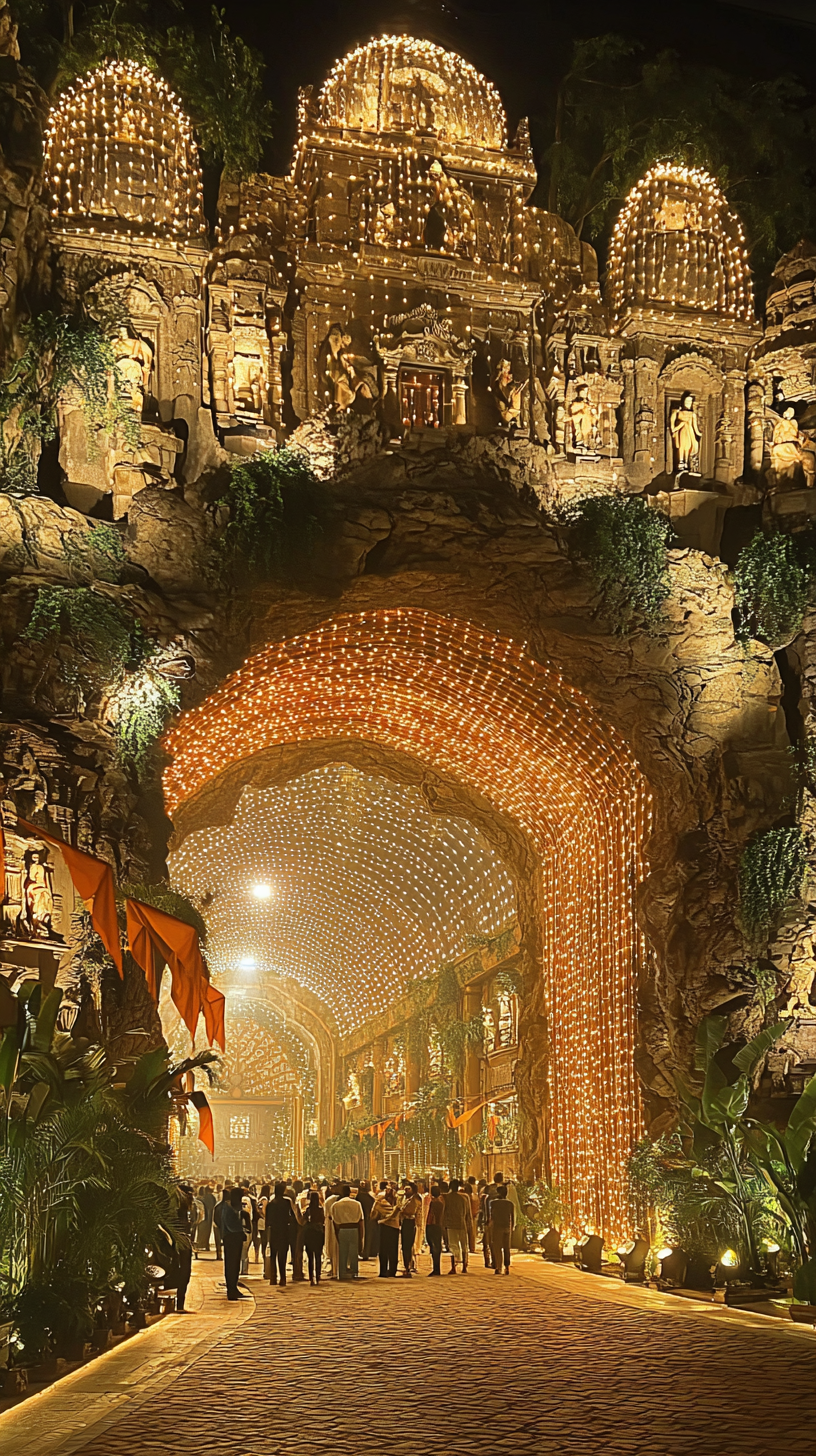
Festivals and Cultural Significance
The Gopuram is not just a static monument; it is a dynamic part of the temple’s living culture. It serves as the backdrop for the most significant religious festivals, transforming the architectural space into a vibrant arena of celebration.
A Stage for Divine Celebrations
Temple festivals, ranging from annual temple processions to elaborate annual celebrations, use the Gopuram as the focal point. The vibrant sculptures and the sheer scale of the entrance make it the perfect setting for rituals and public displays of devotion. The art adorning the tower narrates the very stories celebrated during these festivals.
These celebrations reinforce the Gopuram's role as a living symbol—a place where the historical, the mythological, and the contemporary spiritual life of the community converge.
Artistic Legacy Enduring Through Time
The artistic legacy embedded in the Gopurams ensures that the stories of the gods and the history of the dynasties are continually re-presented. Each festival is an opportunity for the community to re-engage with the rich iconography carved into these colossal structures.
A Visitor’s Guide to Experiencing the Gopuram
For the traveler seeking an immersive experience of this architectural marvel, understanding the context enhances the journey. Whether you are exploring a temple complex or studying the history of South Indian art, preparation is key.
The Gopuram stands as a powerful testament to the artistic, religious, and political synthesis that defined South Indian history. It is a monument built not just of stone and mortar, but of faith, ambition, and unparalleled artistry. As we travel through India, we are invited to pause at these colossal gateways, to read the stories etched in stone, and to feel the enduring presence of a civilization that mastered the art of monumental spiritual expression.
The Gopuram remains the vibrant, towering entry point to the soul of the temple, inviting every visitor to step across the threshold and enter a world woven from mythology and magnificent architecture. Explore more incredible sites like the Murudeshwar Temple and discover more about the heritage of India.
", "article_word_count"Every stone here carries the prayers of generations who came before."
Related temples: Aakkoor Thanthondreeswarar Temple | Abhaya Varadeeswarar Temple, Adirampattinam
Navigating the Complex
When visiting a temple, approach the Gopuram not just as a structure to be admired, but as a historical and spiritual entry point. Take time to observe the details—the rhythmic lines, the mythological figures, and the masterful artistry that speaks of centuries of tradition.
Practical Information for Exploration
Planning your visit to explore a temple rich in Gopurams requires sensitivity to the local customs and the scale of the structures. Allow ample time to absorb the visual poetry of the architecture.
🗺 How to Reach
Hover a card to animate the journey on the map
Route to Srirangam
Common Questions
Where is The Majestic Gopuram: Gateway to South Indian Temple Splendor located?
The Majestic Gopuram: Gateway to South Indian Temple Splendor is documented at Srirangam, Tamil Nadu.
Which deity is associated with The Majestic Gopuram: Gateway to South Indian Temple Splendor?
The Majestic Gopuram: Gateway to South Indian Temple Splendor is associated with Vishnu.
Related Temples


A Living Covenant