A complete pilgrim record drawn from the existing published article data.
Journey with us to the heart of Karnataka, where the silence of the granite speaks volumes of devotion, artistry, and enduring history. The Gommateshwara statue at Karkala is not merely a stone carving; it is a monumental testament to the power of faith, the genius of ancient sculptors, and the spiritual legacy of the Santara dynasty.
Deity Profile
Bahubali is the presiding deity worshipped at this temple.
- Main Deity: Bahubali
- Form: monolithic standing figure in kayotsarga posture
- Tradition: Jainism
Timeline
Standing sentinel over the landscape, this monolithic idol, carved from a single expanse of rock, commands reverence. It stands as the second tallest representation of Lord Bahubali in the world, echoing the grandeur of its inspiration at Shravanabelagola. For the traveler seeking not just a sight, but a profound connection to India’s rich heritage, Karkala offers an experience that transcends mere sightseeing. Prepare to explore the history, architecture, and profound legends woven into this magnificent stone.
The Hand of the Sculptor
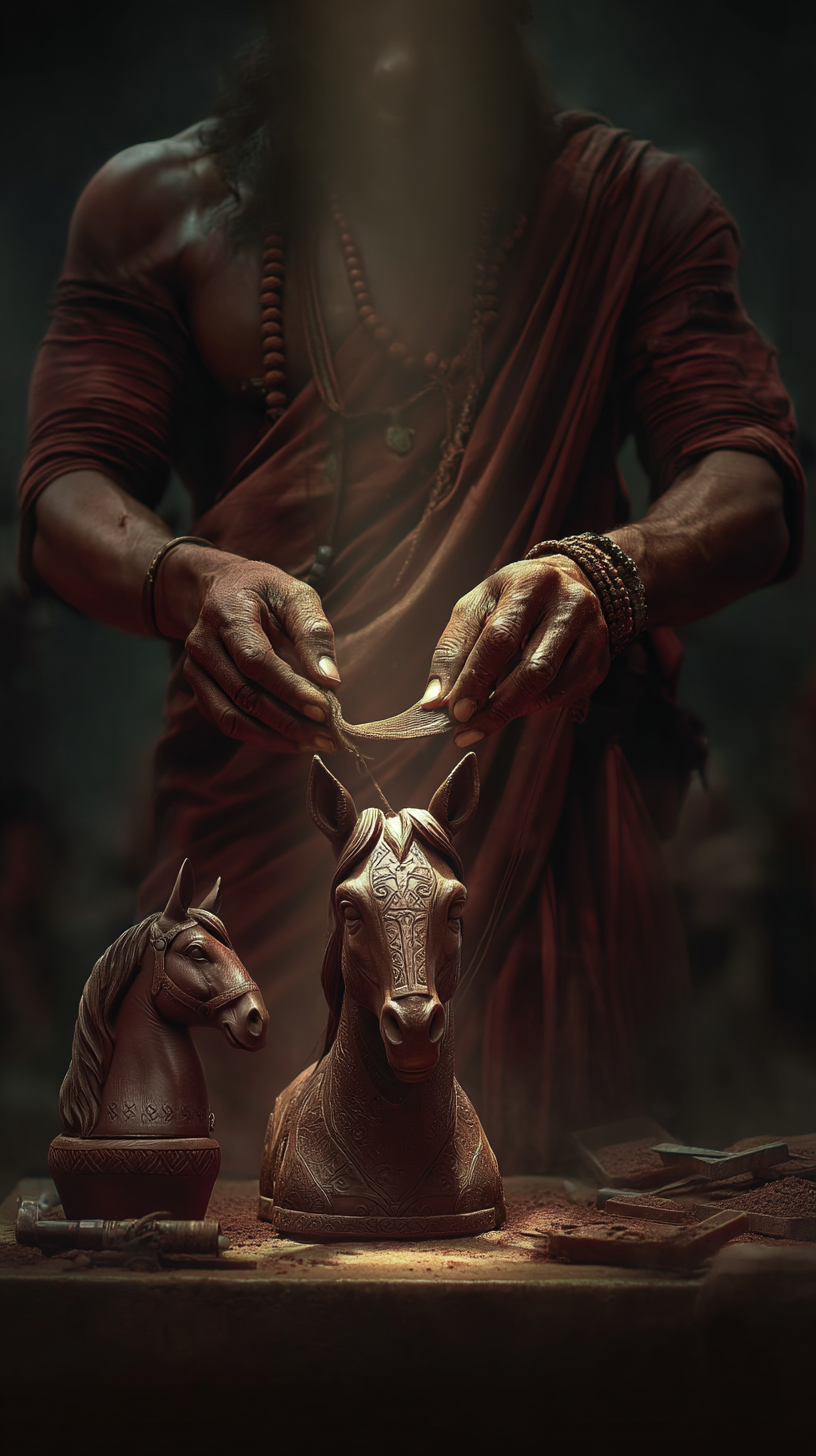
The execution of this vision rests upon the shoulders of a legendary artisan known as Kalkuda. Accounts suggest that Kalkuda was the master craftsman who brought this vision to life, transforming raw granite into a living deity. The narrative surrounding Kalkuda is equally compelling, often whispered in the annals of history, describing a ruler who, in his pursuit of artistic perfection, made a profound sacrifice.
"The creation of this monolith is a reflection of the fusion of royal power and spiritual aspiration, immortalized by the hand of Kalkuda."
Architectural Marvel: Anatomy of a Monolith
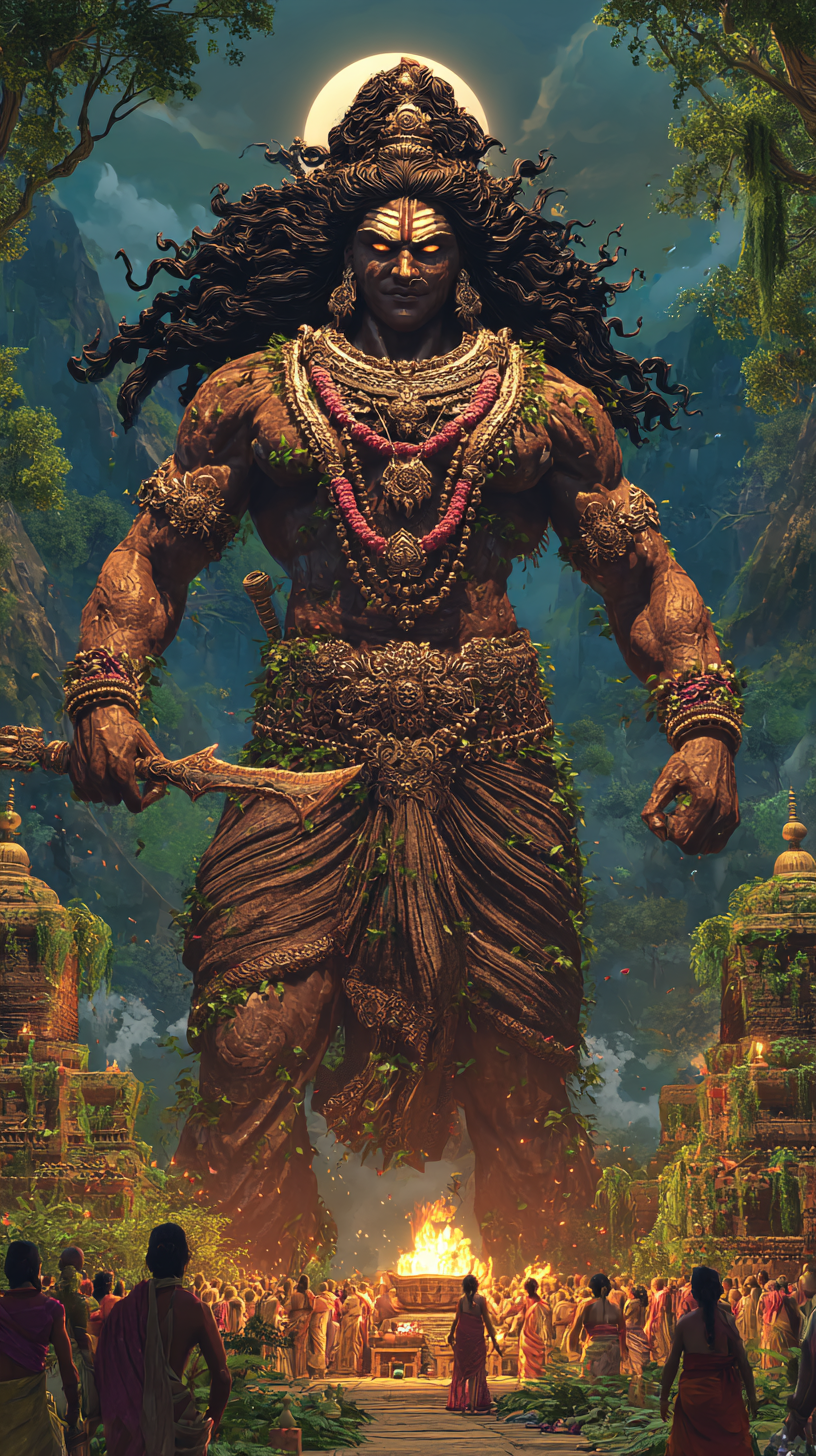
The physical presence of the Karkala Gommateshwara is staggering. Unlike temples built in conventional masonry, this structure is a prime example of monolithic carving—a single piece of granite that has been meticulously shaped into a divine form. This technique speaks to an age where art was inseparable from geology.
Scale and Material
The statue itself is carved from a single block of granite, lending it unparalleled weight and permanence. Standing at approximately 42 feet (13m) tall, it dominates the surrounding landscape. This sheer scale forces the viewer into a state of contemplation, emphasizing humility before the divine.
- Material Integrity: Carved entirely from a single piece of granite, showcasing the raw, untamed beauty of the stone.
- Pedestal Placement: The statue rests upon a base of approximately 5 feet (1.5m), elevating it further and providing a defined boundary for the divine presence.
- Cloistered Prakaram: The statue is thoughtfully enclosed by a cloistered prakaram, creating a sacred, protected space around the central idol.
The Divine Narrative: Legends and Iconography
Sthala Purana
The statue was commissioned in 1432 CE by Veera Pandya Bhairarasa Wodeyar of the Santara dynasty on the advice of Lalitakirti, Bhattaraka of Karkala Jain Matha, inspired by the earlier Gommateshwara at Shravanabelagola (983 CE). The sculptor Kalkuda was reportedly maimed after completion to prevent replication elsewhere — reflecting the ruler’s desire to monopolize artistic excellence.
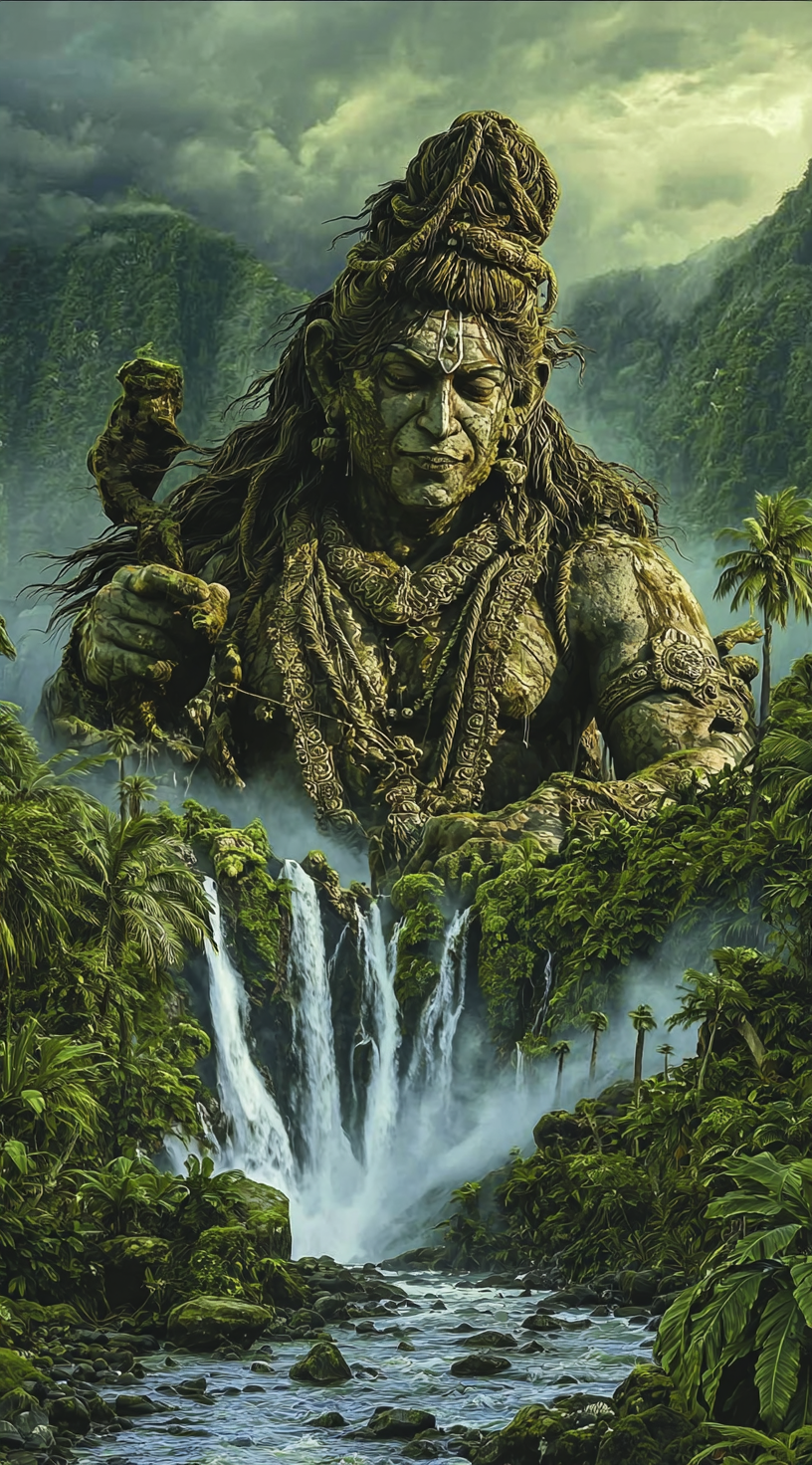
Beyond the physical dimensions, the statue is a repository of rich spiritual lore. The iconography of Gommateshwara, the embodiment of compassion and enlightenment, is layered with local legends that enrich the visitor's understanding of the site.
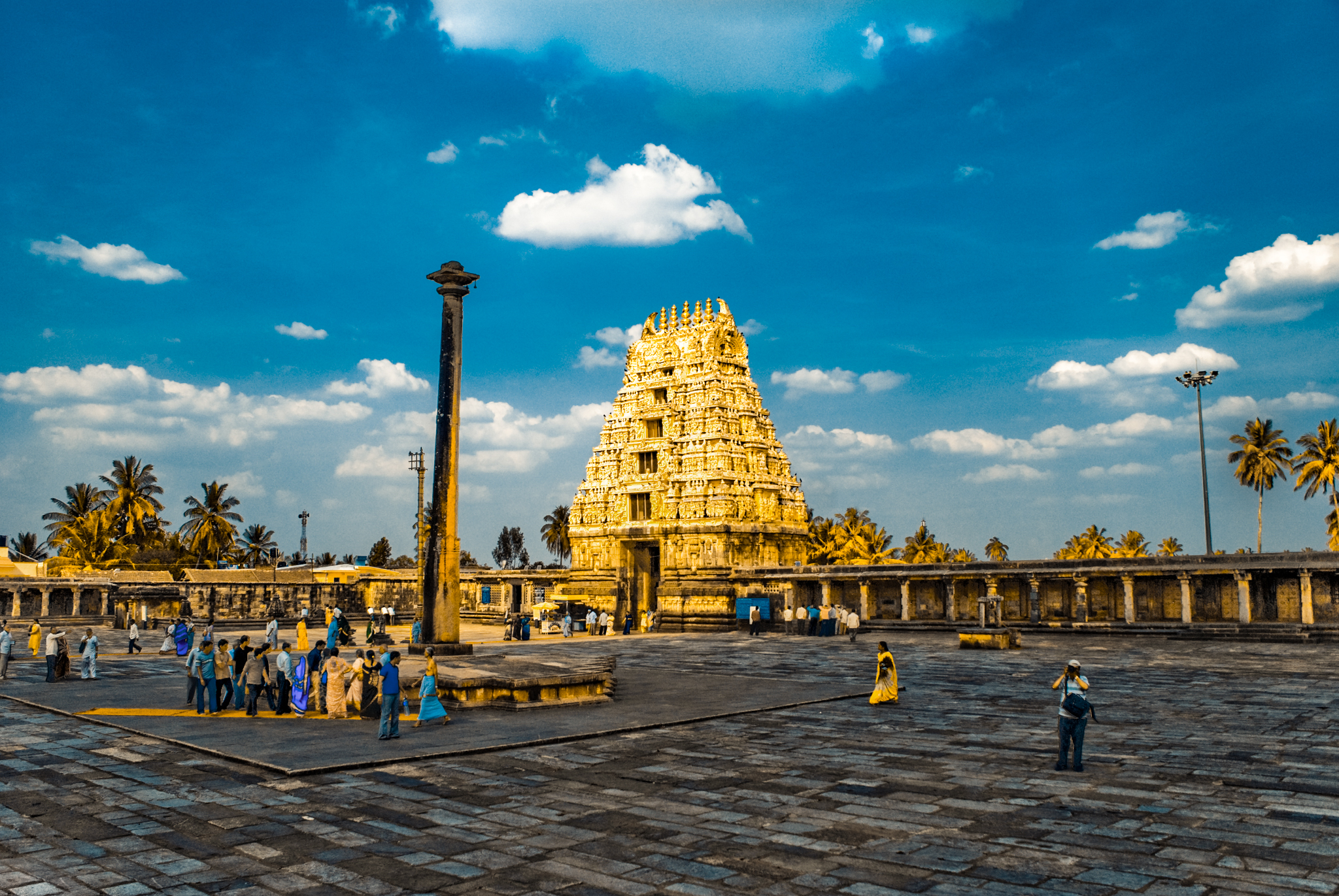
The Gommateshwara statue at Karkala remains more than just a collection of granite and mortar; it is an echo of an era when art, faith, and royalty converged. It stands as a powerful reminder that the greatest achievements in human history are those imbued with deep spiritual meaning. As you stand before this monolithic marvel, feel the weight of fourteen centuries of devotion, the genius of Kalkuda, and the enduring spirit of the Santara legacy. It is an invitation to pause, reflect, and connect with the eternal narrative etched in stone.
The Tale of Kalkuda
The story of the sculptor, Kalkuda, adds a layer of human drama to this divine work. The legend that he was forced to sever his limbs after achieving mastery over stone is a powerful metaphor for the sacrifice required to achieve true artistic and spiritual transcendence. It transforms the statue from a mere carving into a symbol of human endeavor meeting divine will.
"Kalkuda’s story reminds us that true mastery is achieved not just through skill, but through profound self-discipline and spiritual surrender."
Spiritual Significance
As a representation of Lord Bahubali, the statue symbolizes immense strength, compassion, and the journey toward liberation. The presence of the Tirthankaras displayed near the entrance underscores the Jain philosophical emphasis on asceticism and the path to moksha. The entire complex functions as a visual sermon on the virtues that define the spiritual path.
- Best Time to Visit: The cooler months, avoiding the intense heat of the Karnataka summer, offer the most serene viewing experience.
- Cultural Sensitivity: As a sacred site, dress modestly and observe local customs, respecting the spiritual atmosphere.
- Photography Etiquette: Be mindful when capturing images, especially within the temple precincts, to honor the sanctity of the place.
Connecting the Dots
To deepen your understanding of South Indian sculptural history, consider exploring related sites. For a deeper dive into Jain art, we recommend reading about the legacy of Jain Mathas. You might also find fascinating parallels in other regional monuments:
🗺 How to Reach
Hover a card to animate the journey on the map
Route to Karkala
Common Questions
Where is Gommateshwara Statue Karkala: Monolithic Art of Karnataka located?
Gommateshwara Statue Karkala: Monolithic Art of Karnataka is documented at Shravanabelagola, Karnataka.
Which deity is associated with Gommateshwara Statue Karkala: Monolithic Art of Karnataka?
Gommateshwara Statue Karkala: Monolithic Art of Karnataka is associated with Shiva.
Related Temples


A Living Covenant