A complete pilgrim record drawn from the existing published article data.
Deity Profile
Buddha is the presiding deity worshipped at this temple.
- Main Deity: Buddha
- Form: Guru form (as central object of veneration)
- Consort: Vajreśvarī Devī (rdo rje lha mo)
- Tradition: Tibetan Buddhist (Drukpa Lineage, Kagyu school)
The Ancient Roots of Gondhla: A heritage of History
Sthala Purana
Padmasambhava founded the monastery in the 8th century; the site was later revealed as sacred through the terma 'Padma bka'i thang', discovered in 1326, confirming its ancient spiritual significance. Local tradition holds it was a center of Buddhist practice even earlier — evidenced by pre-8th-century artefacts like the Kulu Vase and Avalokiteśvara head.
Timeline
A Strategic Seat in the High Passes
The Arrival of the Dharma: Padmasambhava's Legacy
Architectural Echoes of the Himalayas
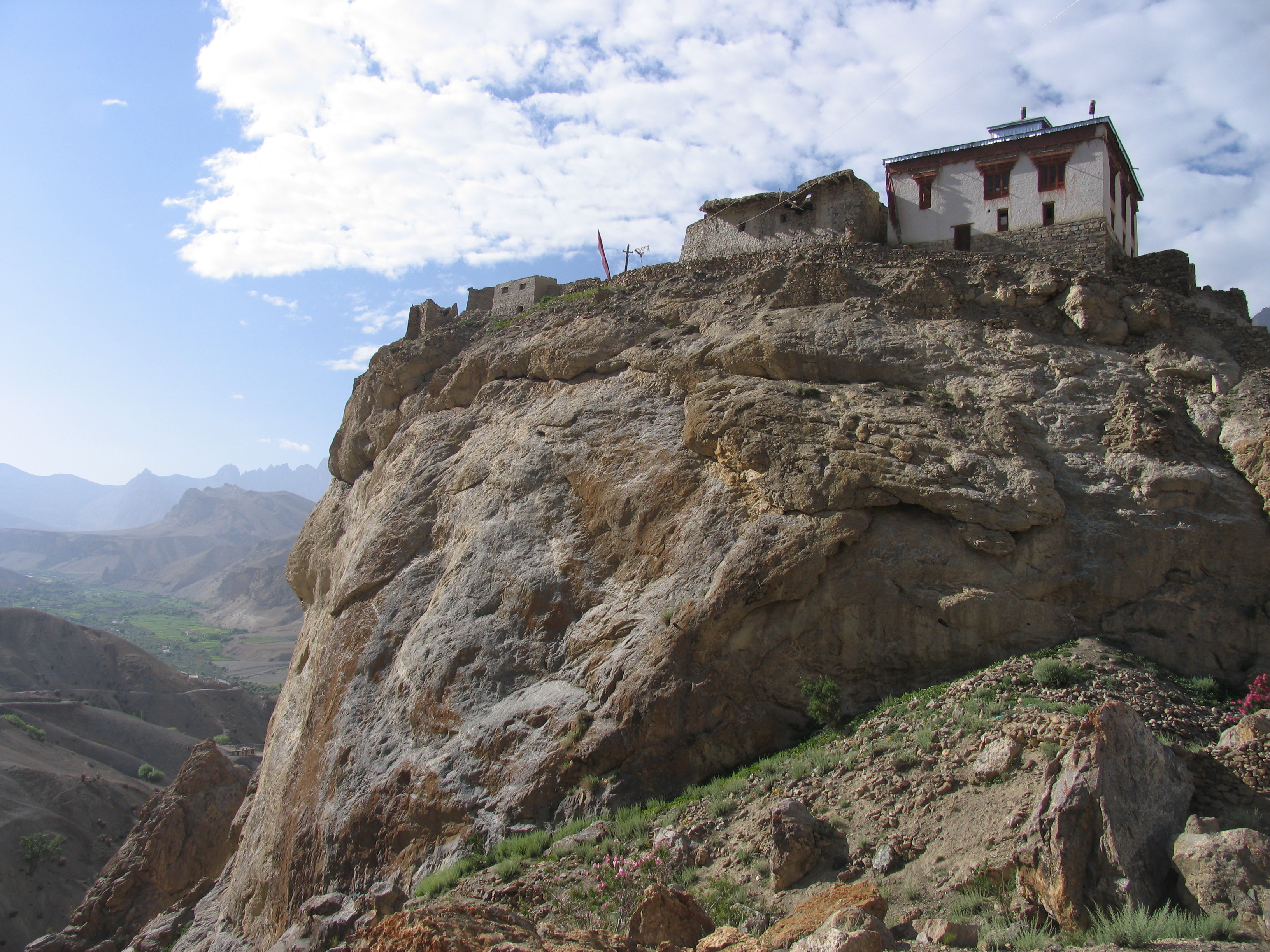
While the sources emphasize the spiritual foundation over specific architectural blueprints, the very existence of the Guru Ghantal Monastery speaks volumes about the architectural style adapted to the Himalayan environment. These monasteries, whether Tibetan or local adaptations, are masterclasses in blending spiritual necessity with environmental constraints.
Monastic Design in a Mountain Setting
- Stone and Resilience: The structures are built from the local stone, demonstrating an organic harmony with the surrounding mountains.
- Seclusion as Sanctuary: The placement of these monasteries often reflects a deliberate choice for isolation, ensuring that the practitioners could retreat from the distractions of the world to pursue enlightenment.
- Symbolism in Form: Every corner, every window, and every courtyard in such a structure is imbued with symbolism related to the Buddhist cosmology, turning the physical space into a mandala.
The Lineage of Wisdom: Drukpa and Kagyu Traditions
The spiritual lineage connected to the Guru Ghantal Monastery is not isolated; it is part of a vast, interconnected network of Himalayan Buddhism. The monastery’s current affiliation with the Drukpa Lineage of the Kagyu school of Tibetan Buddhism underscores its place within the broader spiritual geography of the region.
Connecting the Dots: From Padmasambhava to Drukpa
This lineage suggests that the Guru Ghantal Monastery functions as a vital node in the transmission network, ensuring that the ancient wisdom remains alive and accessible, transcending political boundaries to serve the spiritual needs of the people.
Festivals and Spiritual Life
Rhythms of Devotion in the Mountains
A Traveler's Guide to the Remote Beauty


Related temples: Ajanta Caves | Articles on Early and Later Western Indian Caves [Part 1
Navigating to the Sacred Site
Practical Visitor Information
- Altitude Acclimatization: Given the elevation of 3,160m, visitors must allow ample time for acclimatization to avoid altitude sickness, honoring the body that carries the spirit.
- Respectful Conduct: As a monastic site, visitors must observe strict codes of conduct. Dress modestly and maintain a quiet, contemplative demeanor.
- Cultural Sensitivity: Engage with the local community respectfully. The history of Gondhla is interwoven with the life of the people who inhabit these mountains.
Connecting to Further Exploration
To deepen your understanding of the spiritual landscape of Himachal Pradesh, we invite you to explore related heritage sites. Discover the rich history of the region by exploring Related Temple, another jewel in the Himachal heritage.
🗺 How to Reach
Hover a card to animate the journey on the map
Route to Gondhla
Common Questions
Where is Guru Ghantal Monastery: Timeless Wisdom in the Himalayan Peaks located?
Guru Ghantal Monastery: Timeless Wisdom in the Himalayan Peaks is documented at Manali, Himachal Pradesh.
Which deity is associated with Guru Ghantal Monastery: Timeless Wisdom in the Himalayan Peaks?
Guru Ghantal Monastery: Timeless Wisdom in the Himalayan Peaks is associated with Padmasambhava.
Related Temples

A Living Covenant