A complete pilgrim record drawn from the existing published article data.
Deity Profile
Shiva is the presiding deity worshipped at this temple.
- Main Deity: Shiva
- Form: Ekambareswarar (Lingam)
- Consort: Kamakshi
- Tradition: Shaiva
Timeline
Sthala Purana
In ancient times, Chettikulam was a Kadamba forest. A trader witnessed a divine fireball revealing a Shivalinga worshipped by Devas and Rishis. He informed Parantaka Chola, who visited with Kulasekhara Pandiyan. An old man with a red sugarcane appeared, revealed the Linga’s location, and vanished as a fireball; eastward, they saw Dhandayuthapani on a hill. In ecstasy, they built temples for Ekambareswara and Dhandayuthapani.
Every great monument possesses a narrative, and the origin story of this temple is steeped in the mystical lore of the region. The founding narrative is a striking blend of folklore and royal decree, weaving together the divine presence with human experience.
The Vision of the Chola King
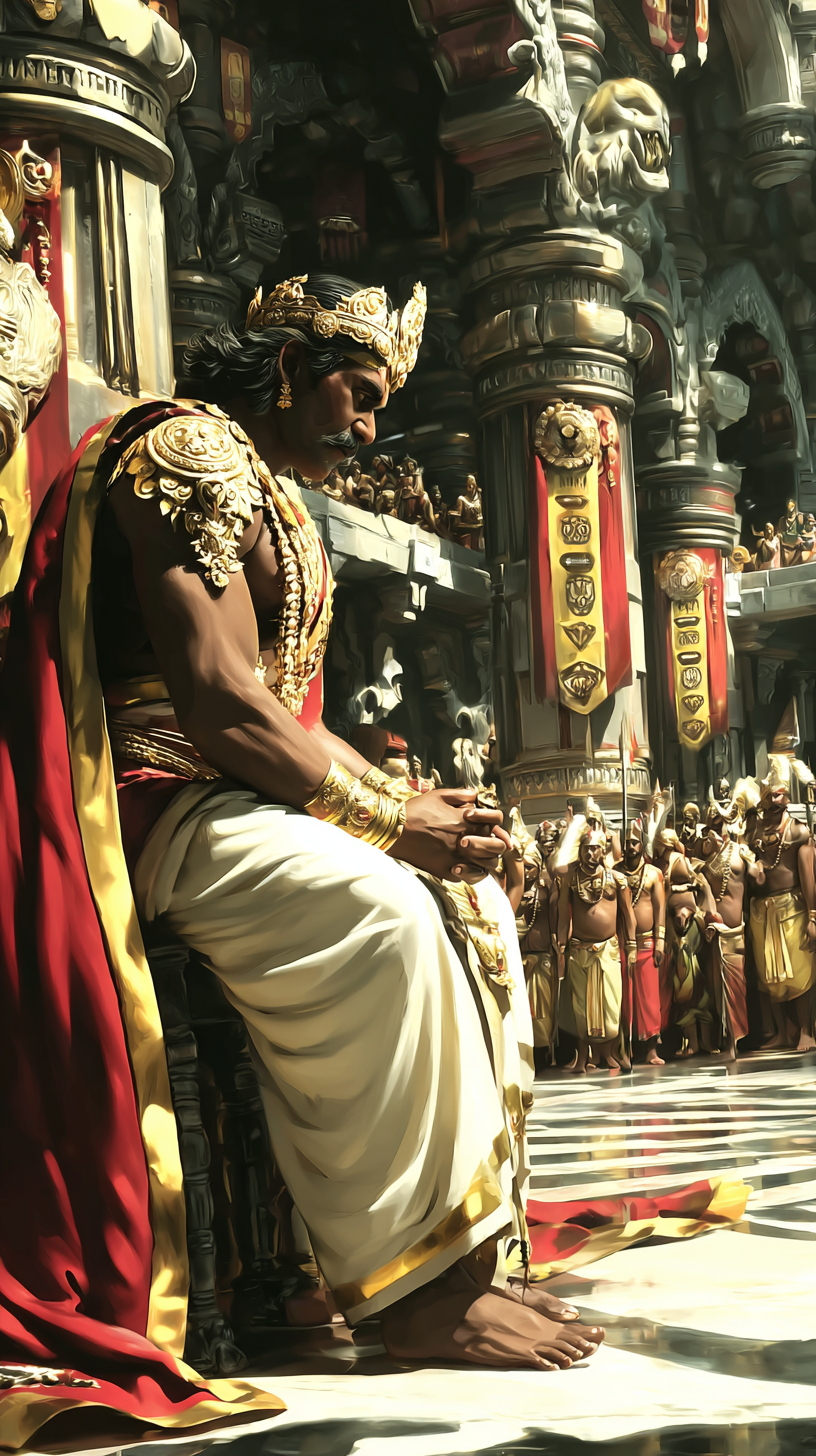
The vision of the fire ball and the sighting of Lord Dhandayuthapani directly inspired the Chola kings to establish this sacred space, marking the beginning of the temple’s divine lineage.
Architectural Symbolism in the Design
The architectural design of the Ekambareswarar Temple is not merely functional; it is a profound theological statement rendered in stone. The temple’s most distinguishing feature is its unique incorporation of iconography that speaks to cosmic order.
- Kubera Sculptures: The temple is particularly famous for the presence of Kubera sculptures. These carvings depict the Lord of Wealth riding upon his fish vehicle, and they are installed in twelve distinct locations within the temple complex.
- Zodiac Representation: These twelve sculptures serve a symbolic purpose, representing the twelve signs of the zodiac, linking the earthly realm of the temple to the celestial order.
The physical structure of the Ekambareswarar Temple embodies the sophisticated architectural style patronized by the Chola rulers. While the source material emphasizes the historical patronage, the resulting structure showcases an understanding of temple design that transcends mere construction; it is an exercise in spiritual geometry.
The Chola Influence on Temple Design
Visitor Tip: When visiting, take time to observe the relationship between the main shrine and the surrounding structures. Notice how the placement of the zodiac symbols reinforces the temple’s cosmic significance. This visual study enhances the spiritual experience significantly.
The Art of Iconography
At the core of the temple lies the worship of Lord Shiva, manifested here as Ekambareswara. This deity embodies the cosmic rhythm—the dance of creation, preservation, and destruction. Understanding the nature of the presiding deity is essential to grasping the temple’s spiritual gravity.
The Essence of Shiva Worship
The worship at this temple is a profound reflection of the ancient Indian understanding that divinity is embedded within the very fabric of the earth and its natural cycles.
Devotional Practices and Atmosphere
The Rhythm of Celebration: Festivals of the Temple
The Grand Celebration of Thai Poosam
The Thai Poosam and Brahmmotsavam are the longest and most important festival of the temple, celebrated in January-February.
A Calendar of Devotion
Beyond the grand annual festivals, the temple calendar is rich with smaller, yet equally significant celebrations that mark the passage of the solar and lunar cycles. These include:
- Aadipooram: Celebrated in July-August, marking a period of auspicious beginnings.
- Vinayaka Chaturthi: Observed in August-September.
- Navarathri: Celebrated in September-October, invoking the divine feminine energy.
- Deepavali: The festival of lights celebrated in October-November.
- Sivarathri: Celebrated in February-March, honoring Lord Shiva.
Furthermore, the monthly Pradosham days, occurring on the 13th day of the lunar fortnight, and the auspicious timing of Pongal falling near January 14th, are days when special pujas are performed, drawing huge congregations of devotees who seek blessings on these sacred dates.
A Pilgrim's Guide to Chettikulam
For those planning a pilgrimage to this historically and spiritually rich location, practical information ensures a more meaningful and smooth experience. Understanding the logistics allows visitors to engage with the temple's aura with greater ease.
We encourage you to explore related spiritual journeys by visiting related temples in the region.


Related temples: Aakkoor Thanthondreeswarar Temple | Aazhimala Shiva Temple
Visiting the Temple
Practical Visitor Information
- Best Time to Visit: The festival season, particularly around Thai Poosam in January, offers the most vibrant atmosphere.
- Temple Hours: While daily access is available, specific timings for special rituals should be checked locally.
- Dress Code: Modest and respectful attire is advised when entering the sacred precincts.
- Accommodation: Stay in the nearby Perambalur region to fully experience the cultural context.
🗺 How to Reach
Hover a card to animate the journey on the map
Route to Chettikulam
Common Questions
Where is Ekambareswarar Temple: Ancient Chola History and Divine... located?
Ekambareswarar Temple: Ancient Chola History and Divine... is documented at Tiruvannamalai, Tamil Nadu.
Which deity is associated with Ekambareswarar Temple: Ancient Chola History and Divine...?
Ekambareswarar Temple: Ancient Chola History and Divine... is associated with Ganesh.
Related Temples


A Living Covenant