A complete pilgrim record drawn from the existing published article data.
The Heritage of Time: History and Origin
Dynastic Patrons and Evolving Titles
The Legend of Thanjasuran and Gowri
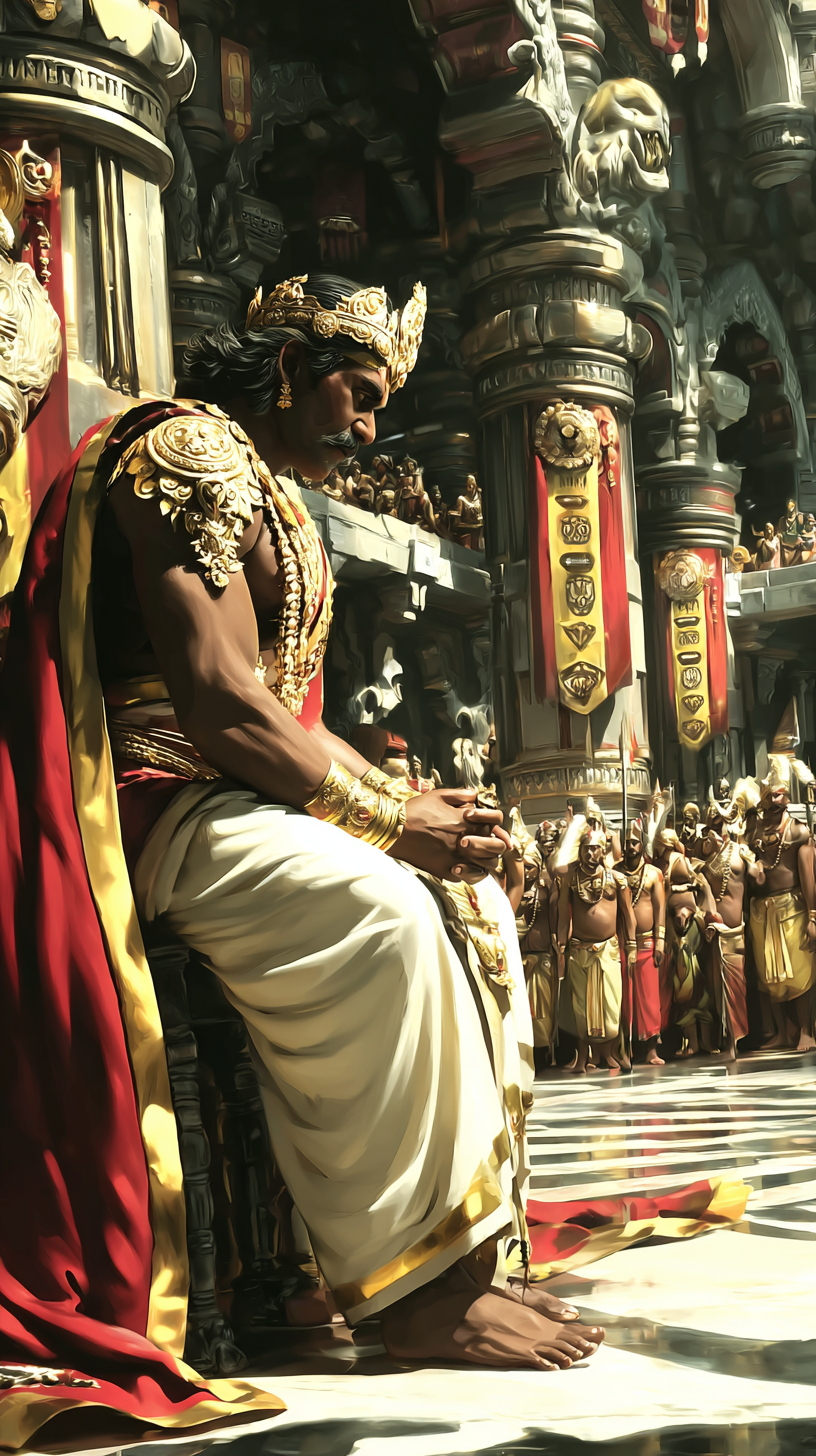
The most compelling element of the temple’s lore revolves around the legend of the Asura, Thanjasuran. This powerful demon, an ardent devotee of Shiva, received a boon granting him invincibility against human beings and the Trimurti. Empowered by this boon, Thanjasuran unleashed immense atrocities upon the earth, causing widespread suffering.
The Vanquishing of Thanjasuran
When the Devas sought Lord Shiva’s intervention, he commanded his consort, Gowri (Ambika), to vanquish the formidable demon. Displaying unparalleled divine wrath and cunning, Gowri took on the disguise of an ox to confront Thanjasuran. In a fierce battle, she ultimately slayed the asura, an act that, though necessary, initially led to drought and famine in the region. This pivotal event established the deep connection between the land of Vallam and the divine protection offered by the Goddess, cementing her role as both a fierce destroyer of evil and a compassionate provider for her devotees.
Historical & Mythological Timeline
The very stones of Vallam whisper tales of divine justice, where the wrath of the divine was precisely tempered by the profound compassion of the Mother Goddess.
Architectural Marvels: Sculpting the Divine
The physical structure of the Egowriamman Temple stands as a magnificent testament to Dravidian temple architecture, meticulously blending structural necessity with profound theological symbolism. Stepping through the main gopura, visitors are immediately enveloped by a complex arrangement of divine iconography, where each intricate carving tells a story of cosmic order and spiritual hierarchy.
The Sanctum and its Environs
The Iconography of Mother Ambika
Egowriamman (Ambika)
Egowriamman, a powerful manifestation of Goddess Parvati/Gowri, is the presiding deity of the Vallam temple. She is uniquely depicted with two distinct faces: one ferocious, symbolizing her power to destroy evil, and the other serene, representing her benevolent and protective nature. With eight arms wielding various weapons, she embodies omnipotence and cosmic control. The Chakra beneath her feet further emphasizes her dominion as a form of Shakti. This duality makes her a profound symbol of the divine feminine's ability to be both a fierce protector and a compassionate mother.
The Divine Calendar: Festivals and Rituals
Festivals are the vibrant pulse of any living temple, and the Egowriamman Temple celebrates the lunar cycle with unique local customs that draw devotees from across the land. These celebrations are not merely religious observances; they are communal events that reinforce the spiritual bond between the people and their revered deities, fostering a sense of shared devotion and cultural heritage.
Lunar Celebrations and Annual Events
The rhythmic chants and vibrant processions during Aadi Perukku transform the entire town into a living canvas of devotion, inviting all to partake in the divine energy.
Rituals of Offering and Worship
A Guide for the Spiritual Traveler
For those planning a pilgrimage or a historical exploration of this sacred site, understanding the practicalities is just as important as appreciating the divine artistry. We offer practical details to ensure your visit to the Egowriamman Temple is both reverent and smooth, allowing for a truly enriching experience.
We invite you to trace this path further and explore related treasures in the region. Discover more about the spiritual landscape of South India and other magnificent temples. Explore Other Tamil Nadu Temples and deepen your understanding of this rich cultural tapestry.
Temple Timings and Darshan Access
- Monday to Thursday: 8:00 AM to 2:00 PM and 4:00 PM to 6:30 PM
- Friday: 7:00 AM to 7:30 PM
- Full/New Moon Days: 7:00 AM to 7:30 PM (extended hours for special observances)
Reaching Vallam and Nearby Attractions
🗺 How to Reach
Hover a card to animate the journey on the map
Route to Thanjavur
Common Questions
Where is Egowriamman Temple: Discover the Divine Two-Headed Goddess of... located?
Egowriamman Temple: Discover the Divine Two-Headed Goddess of... is documented at Thanjavur, Tamil Nadu.
Which deity is associated with Egowriamman Temple: Discover the Divine Two-Headed Goddess of...?
Egowriamman Temple: Discover the Divine Two-Headed Goddess of... is associated with Shiva.
Related Temples


A Living Covenant