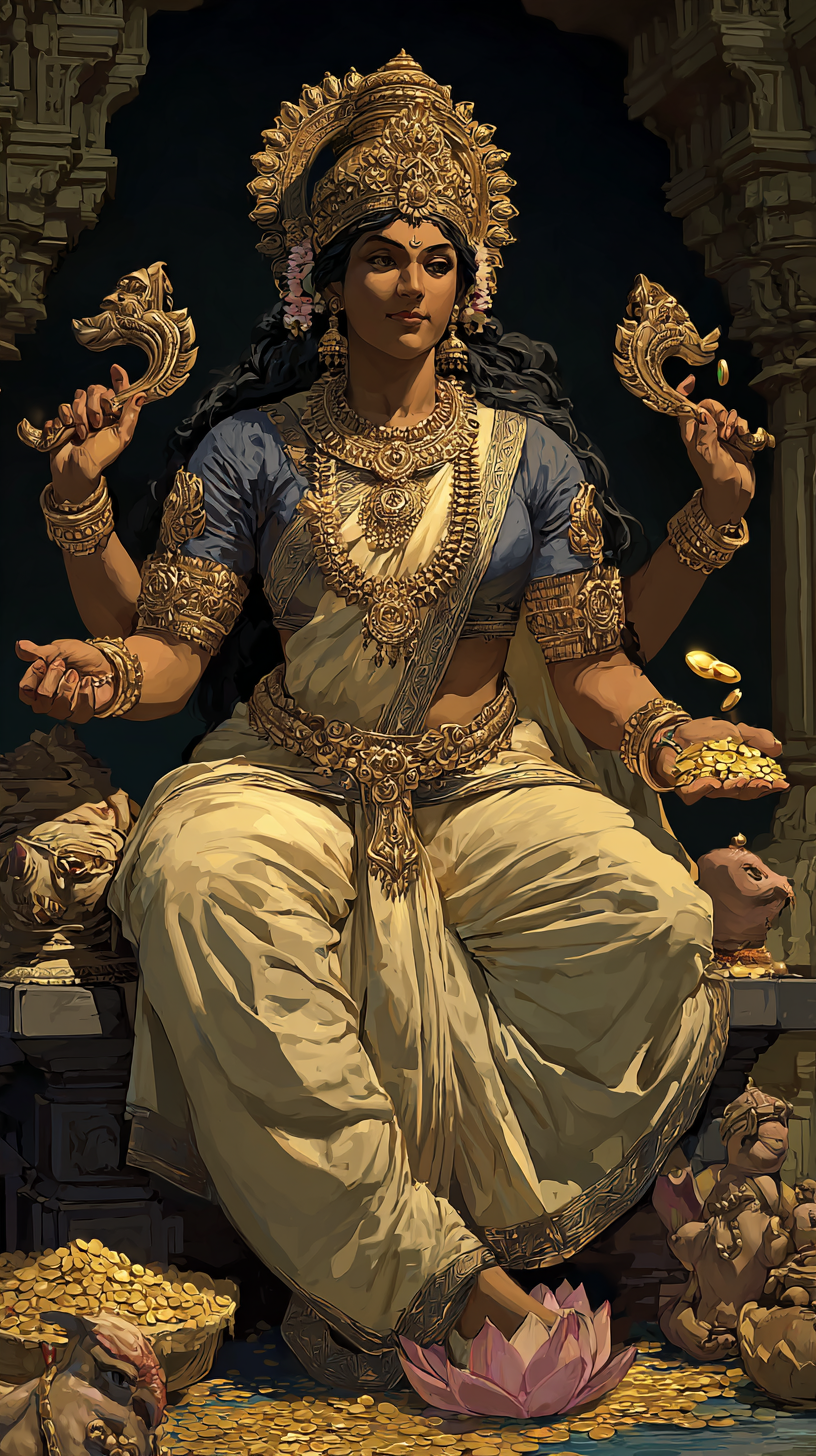
A complete pilgrim record drawn from the existing published article data.
"History here is not just written; it is physically manifested in the earth beneath our feet, whispering tales of divine intervention to every devotee."
Historical Foundation: The Divine Axle and Timeless Devotion
The Legend of the Axle: A Divine Halt
The Unmoving Idol of Ganesha
According to local legend, a massive idol of Lord Ganesha was being transported from Madurai to Perur for consecration in a grand new temple. The journey was long and arduous, with the idol being moved on a large cart pulled by oxen. As the procession reached the spot now known as Eachanari, a remarkable incident occurred: the axle of the cart suddenly broke.
Despite numerous efforts by the accompanying devotees and local villagers, the colossal idol refused to budge. The axle remained stubbornly immovable, and no amount of force could shift the deity from its chosen resting place. Interpreting this as a divine will, the devotees realized that Lord Vinayagar had chosen Eachanari as his permanent abode. Consequently, a temple was constructed around the very spot where the idol came to an unexpected, yet divinely ordained, halt.
Key Moments in Eachanari's Legacy
Architectural Evolution and Spiritual Continuity
Temple Architecture and Artistry: Dravidian Heritage
Dravidian Style and Key Features
Dravidian architecture is characterized by its pyramidal tiered towers (vimanas), elaborately carved gatehouses (gopurams), and distinct columned halls. This style flourished predominantly in South India from the 6th century CE onwards, showcasing a rich blend of religious symbolism and artistic skill.
Symbolic Sculptures and Iconography
Presiding Deity: Lord Ganesha, The Remover of Obstacles
The Elephant-Headed Remover of Obstacles
Lord Vinayagar (Ganesha)
As the son of Lord Shiva and Goddess Parvati, Ganesha is instantly recognizable by his elephant head, large ears, and single tusk. He typically holds various attributes in his four hands, including a noose, an axe, a modak (sweet dumpling), and a gesture of blessing (Abhaya Mudra). His vehicle is the humble mouse (Mushika), symbolizing his ability to overcome anything, no matter how small.
Devotees across the globe pray to Ganesha for success, wisdom, and the removal of impediments on their spiritual and worldly paths. His stories embody cleverness, devotion, and a profound connection to family, making him one of the most beloved deities in the Hindu pantheon.
Unique Significance at Eachanari
Rituals, Worship, and Daily Life: A Tapestry of Devotion
Daily Pujas and Sacred Offerings
Spiritual Practices and Devotion
A Practical Guide for Visitors: Planning Your Spiritual Journey
For those planning a pilgrimage to this fascinating site, thoughtful preparation ensures a deeply rewarding and respectful experience. Understanding the context of the place significantly enhances the spiritual journey.
Planning Your Visit and Accessibility
Etiquette and Immersive Experience
- Best Time to Visit: Early mornings (6:00 AM - 9:00 AM) offer a tranquil setting, perfect for reflection and absorbing the temple's serene aura. The cooler months from October to March are also ideal for a comfortable visit.
- Dress Code: Adhere to modest and respectful attire when visiting sacred spaces. Traditional Indian wear is preferred, but clean, conservative Western clothing that covers shoulders and knees is also acceptable.
- Engagement: Seek guidance from temple priests or local elders to understand the specific rituals of the day or the significance of certain shrines. Photography rules may vary, so always ask for permission before taking pictures, especially inside the sanctum.
- Offerings: You may purchase flowers, coconuts, or modaks from vendors outside the temple to offer to Lord Ganesha as a gesture of devotion.
Festivals and Community Life: Vibrant Celebrations
Temple life at Eachanari Vinayagar is vibrantly punctuated by festivals that bring the entire community together in joyous celebration and profound reflection. These events are not just religious observations but also significant cultural gatherings, reinforcing social bonds and traditions.
Annual Celebrations and Their Significance
"In the heart of Eachanari, every festival is a vibrant canvas, painting the stories of Lord Ganesha with colors of devotion, music, and shared joy."
Community Engagement and Cultural Impact
🗺 How to Reach
Hover a card to animate the journey on the map
Route to Bodipalayam
Common Questions
Where is Eachanari Vinayagar Temple: Divine Origins near Coimbatore located?
Eachanari Vinayagar Temple: Divine Origins near Coimbatore is documented at Madurai, Tamil Nadu.
Which deity is associated with Eachanari Vinayagar Temple: Divine Origins near Coimbatore?
Eachanari Vinayagar Temple: Divine Origins near Coimbatore is associated with Ganesh.
Related Temples


A Living Covenant