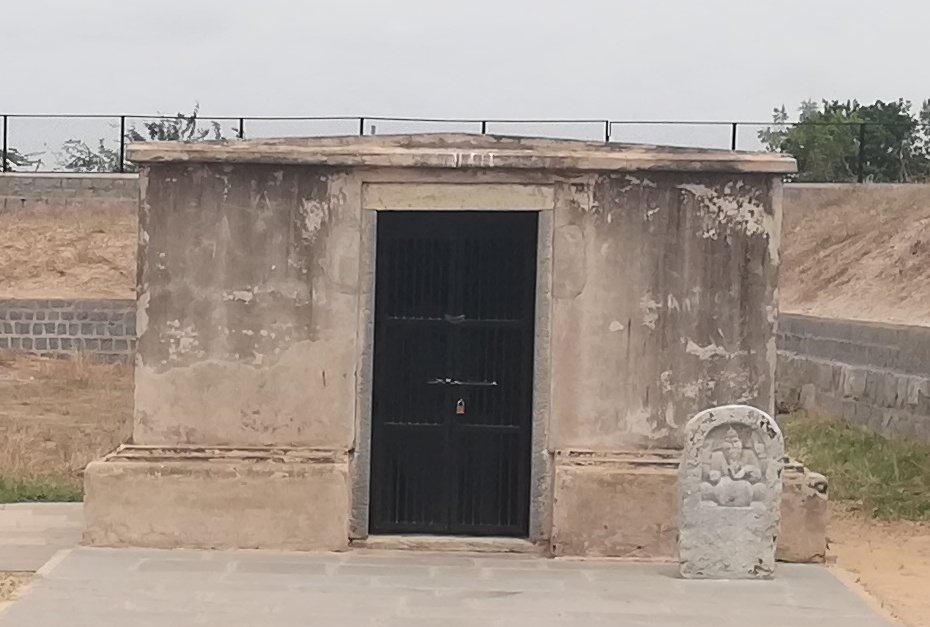
A complete pilgrim record drawn from the existing published article data.
Historical Foundation and Royal Patronage
Dynastic Roots and Jain Influence
Jain Acharyas, spiritual leaders of the community, favored Danavulapadu for important rituals, underscoring its status as a vital spiritual center. This favored status elevated the temple beyond a local shrine, marking it as a significant regional landmark for Jain devotees.
The temple’s existence vividly illustrates the symbiotic relationship between imperial power and spiritual devotion that characterized ancient Indian societies.
Inscriptional Evidence and Timeline
Key Dates in Danavulapadu Temple History
Architectural Marvels: Structure and Sculptural Narratives
Sacred Layout and Design Principles
Each section of the temple plays a vital role in the devotional journey, from the public assembly space of the mandapa to the secluded sanctum. This thoughtful layout enhances the spiritual experience, fostering an atmosphere of reverence and introspection.
Exquisite Sculptural Narratives
Presiding Deities and Sacred Iconography
The Resplendent Parshvanatha
The sculpture of Parshvanatha is remarkable for its detailed execution, despite exhibiting the natural erosion of time, particularly on the hands and portions below the knee. This ancient patina adds an authentic layer of history and sacredness, attesting to its long veneration.
Parshvanatha: The Serpent-Hooded Tirthankara
Parshvanatha is the 23rd and penultimate Tirthankara in Jainism, revered for his teachings on non-violence (ahimsa) and asceticism. His iconography is uniquely distinguished by the presence of a five-headed serpent (Dharanedra) sheltering him, a symbol of protection from worldly distractions and spiritual dangers. He attained nirvana on Mount Sammed Shikhar, and his life exemplifies profound detachment and spiritual triumph. At Danavulapadu, his meditative form embodies the temple's core spiritual focus.
Guardians, Yakshi, and Subsidiary Shrines
The array of deities and guardians at Danavulapadu creates a protective spiritual envelope, inviting devotees into a fully immersive sacred experience.
Ritual Practices and Sacred Stories
Continuity of Worship and Ceremonies
Sacred Narratives and Symbolism
The pervasive Naga and Nagini imagery also evoke broader tales of cosmic guardianship and fertility, suggesting that local legends or devotional stories would have incorporated these powerful symbols. These narratives transform the carved stone into a living testament of faith and cosmic order.
The Serpent's Embrace: Parshvanatha's Protection
The revered Tirthankara Parshvanatha faced severe trials during his intense meditation, particularly from a jealous demigod named Meghamalin. As Meghamalin conjured a torrential storm to disrupt Parshvanatha's spiritual quest, the serpent-king Dharanedra (or his consort Padmavati), whom Parshvanatha had saved in a previous life, emerged from the earth. He coiled himself around the meditating Tirthankara and spread his five cobra hoods to form a protective canopy. This act of profound devotion and gratitude allowed Parshvanatha to complete his meditation undisturbed, ultimately achieving omniscience. This iconic image of protection against worldly tribulations is prominently depicted at Danavulapadu, symbolizing the unwavering resolve of a Tirthankara and the protective power of karma.
A Guide for the Modern Pilgrim
Planning Your Visit: Access and Logistics
Consider combining your visit with other historical and religious sites in Tamil Nadu or nearby regions for a comprehensive cultural immersion. Exploring these lesser-known gems often reveals deeper insights into India's diverse heritage.
Respectful Engagement: Etiquette and Insights
- Atmosphere: Approach the site with reverence and a quiet demeanor. Treat the intricate carvings and ancient idols not merely as art but as living spiritual entities, integral to a continuous tradition of faith.
- Photography Etiquette: Always be mindful of local customs and any posted signs regarding photography. Seek explicit permission before photographing specific rituals, devotees, or individuals to ensure respect for privacy and religious practices.
- Historical Context: Enhance your visit by focusing on the narrative of the Rashtrakuta patronage and the foundational Jain philosophical underpinnings when exploring the site. Understanding this context unlocks deeper layers of meaning within the temple's architecture and iconography.
- Local Engagement: If possible, engage with local historians or temple caretakers. Their insights and oral traditions can often unlock layers of meaning embedded in the stone that guidebooks alone cannot convey, offering a richer, more personal understanding of Danavulapadu's legacy.
🗺 How to Reach
Hover a card to animate the journey on the map
Route to Danavulapadu
Common Questions
Where is Danavulapadu Jain Temple: Ancient Art and Rashtrakuta Heritage located?
Danavulapadu Jain Temple: Ancient Art and Rashtrakuta Heritage is documented at Chennai, Tamil Nadu.
Which deity is associated with Danavulapadu Jain Temple: Ancient Art and Rashtrakuta Heritage?
Danavulapadu Jain Temple: Ancient Art and Rashtrakuta Heritage is associated with Ganesh.
Related Temples


A Living Covenant