
A complete pilgrim record drawn from the existing published article data.
The Etymology and Ancient Roots
Tracing the Divine Lineage
Linguistic and Cultural Significance

Architectural Echoes and Urban Evolution
While the focus often remains on its historical and geographical significance, the evolution of Cheranmadevi as an administrative centre during the colonial and post-Independence eras offers a fascinating lens. Its architecture and urban planning reflect shifting political and economic realities, showcasing adaptation through centuries.
From Administrative Hub to Modern Town
Enduring Structures and Planning
Presiding Deity: Shakti, the Sacred Daughter
Manifestations of Devi in the Region
The Divine Feminine and Local Worship
Devi / Shakti
Devi, the Sanskrit word for 'Goddess', is the supreme being in the Shaktism tradition of Hinduism. She is the divine feminine power, the active energy (Shakti) that creates, sustains, and destroys the universe. Her forms are myriad, ranging from Parvati, Lakshmi, and Saraswati to Durga and Kali, each embodying different aspects of cosmic power. In Cheranmadevi, she is revered as the 'Great Daughter' associated with the Cheran lineage, likely a benevolent guardian and bestower of prosperity.

A Practical Guide for the Explorer
For those planning a journey to this historically rich and geographically stunning region, practical planning is essential to maximize the experience. Understanding connectivity and local logistics ensures a smoother and more immersive exploration into the heart of Tamil Nadu's heritage.
We invite you to explore the depth of this region further. Discover more about the cultural landscape of the region by reading our feature on Tirunelveli Heritage or delve into the architectural wonders of Kancheepuram Temples.


Getting There and Connectivity
Logistics for Heritage Seekers
Historical Foundation: Empires and Evolution
The historical significance of Cheranmadevi extends far beyond its modern boundaries, holding tangible references in early Tamil sources and inscriptions. These records mark its importance during the zenith of the powerful Chola and Pandya periods, epochs that established the administrative and religious foundations that persist today.
Chola and Pandya Patronage
The history of Cheranmadevi is not just written in stone; it flows in the very rhythm of the Thamirabarani River, carrying the legacy of powerful ancient kingdoms and their deep reverence for the land.
A Timeline of Influence

Geography: The Embrace of the Thamirabarani
Riverine Life and Landscape
Strategic Location and Natural Resources

Demographics and Cultural Vibrancy
Understanding the people who inhabit Cheranmadevi reveals another crucial layer of its identity. Demographic data from the 2001 census paints a picture of a community with a strong foundation of literacy, suggesting a society that has successfully navigated historical shifts while maintaining cultural depth.
Literacy and Community Strength
The high literacy rate in Cheranmadevi is a silent testament to a community that cherishes knowledge, blending ancient wisdom with modern progress, ensuring its cultural heritage endures for future generations.
A Dynamic Community Portrait
Sacred Stories: Legends of the Land and River
The Tale of Cheran's Daughter
The River's Divine Gift
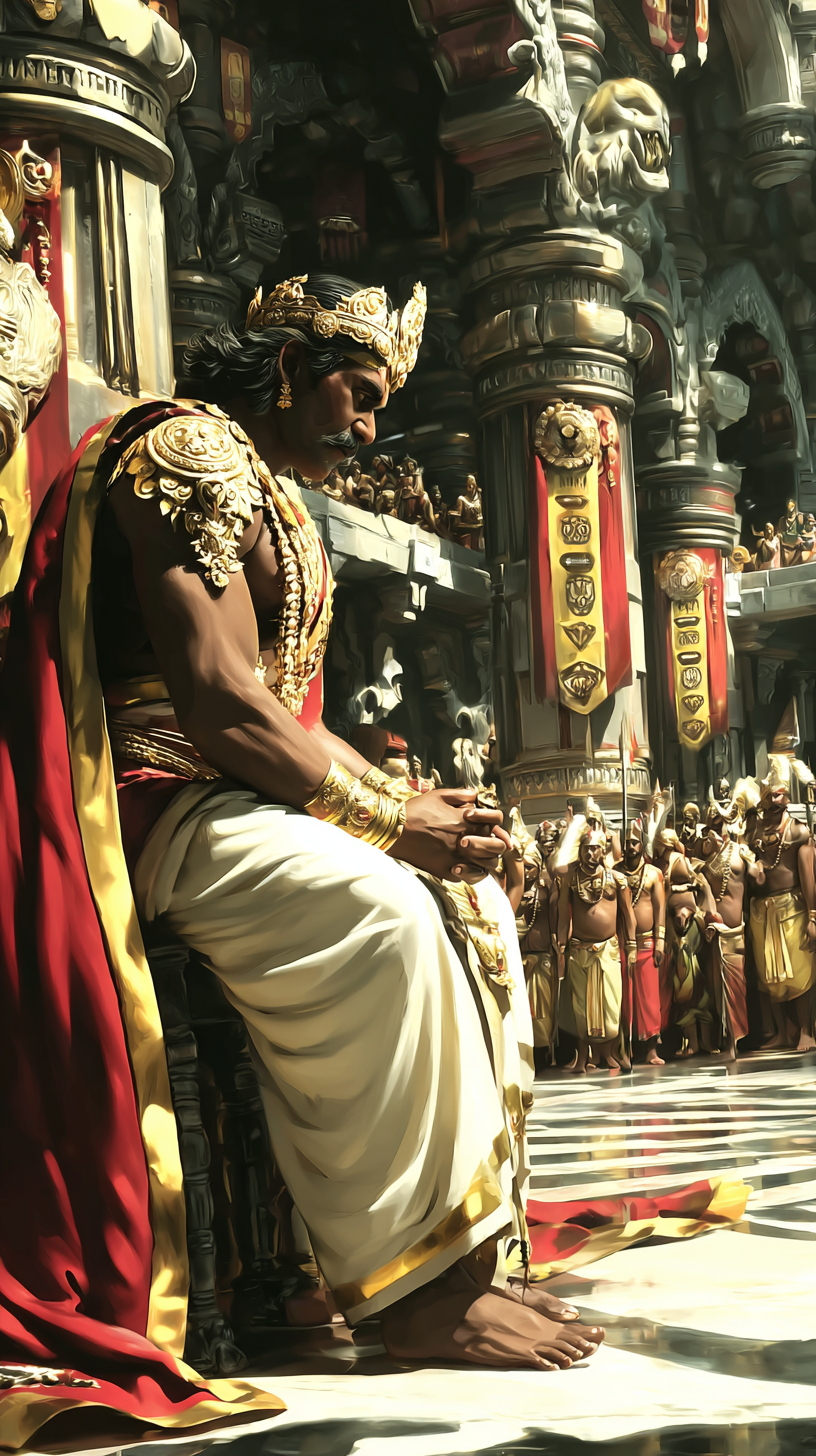
Centuries ago, when drought threatened the lands of a virtuous Chera monarch, he sought divine intervention from the Great Goddess. Day and night, he meditated by the murmuring Thamirabarani. Moved by his unwavering faith, Devi appeared, not in grand form, but as a tender infant nestled amidst river lotuses. The king adopted her, naming her Cheranmadevi, 'Cheran's Divine Daughter'. Under her subtle, benevolent influence, the river never ran dry, and the kingdom flourished, protected by the divine essence embodied in his daughter and the land she blessed.
Mythological Narratives and Local Beliefs
The Spiritual Landscape: Enduring Devotion
The historical and geographical context of Cheranmadevi naturally flows into a vibrant spiritual landscape. The implied presence of a revered Devi, combined with the sacredness of the Thamirabarani River, transforms this historical site into a living spiritual space where devotion continues to thrive.
Riverine Spirituality and Ancient Rites
Festivals and Community Worship
🗺 How to Reach
Hover a card to animate the journey on the map
Route to Cheranmahadevi
Common Questions
Where is Cheranmadevi: Ancient Heritage on the Thamirabarani River located?
Cheranmadevi: Ancient Heritage on the Thamirabarani River is documented at Tenkasi, Tamil Nadu.
Which deity is associated with Cheranmadevi: Ancient Heritage on the Thamirabarani River?
Cheranmadevi: Ancient Heritage on the Thamirabarani River is associated with Durga.
Related Temples


A Living Covenant