
A complete pilgrim record drawn from the existing published article data.
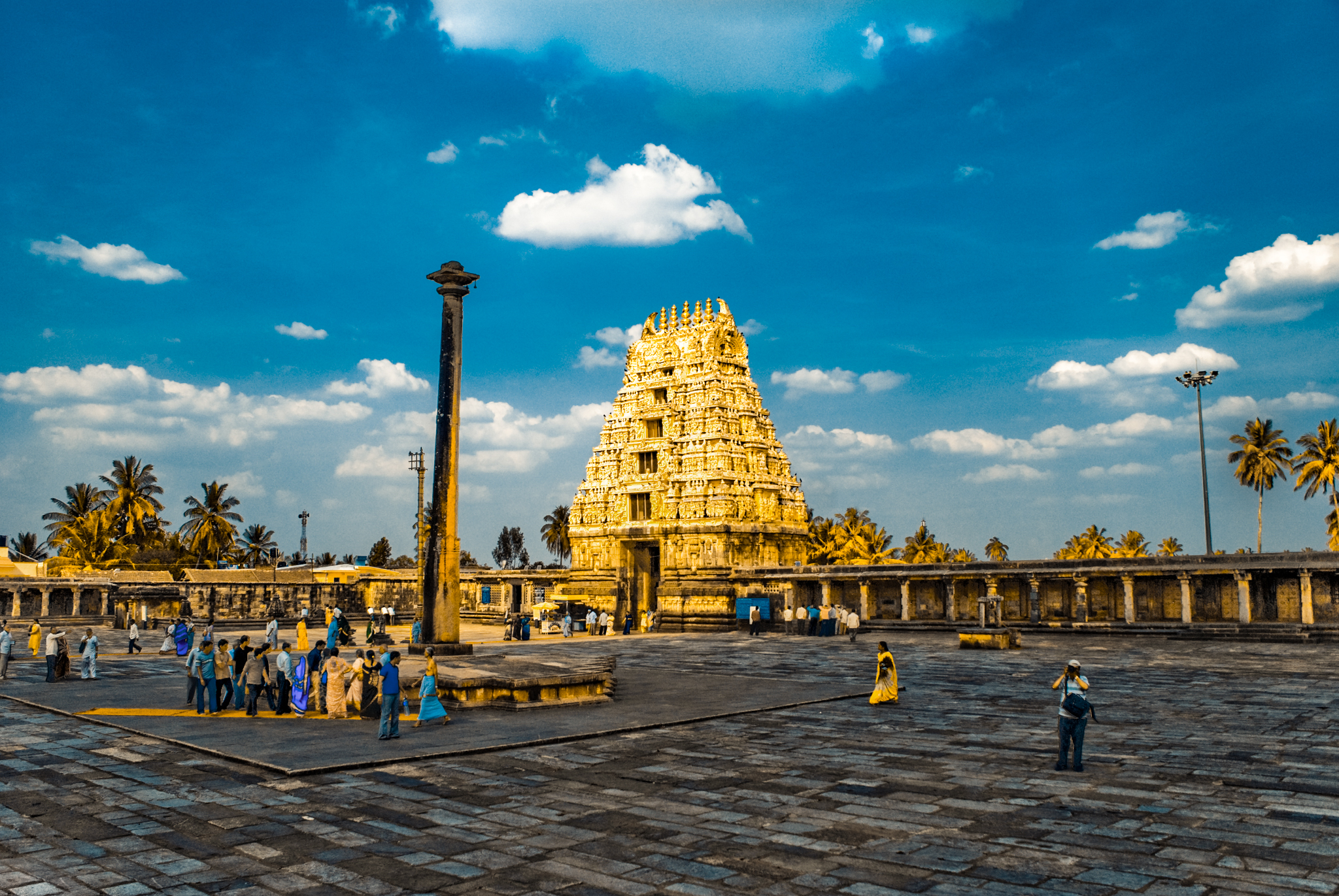
For the discerning traveler and heritage enthusiast, the Chennakeshava Temple offers an unparalleled glimpse into the intricate craftsmanship, spiritual depth, and enduring legacy of the Hoysala dynasty. Constructed during a golden age of artistic patronage, this temple shines as a jewel, reflecting a unique synthesis of religious devotion and unparalleled sculptural artistry.
As we journey through the annals of Indian heritage, we move from the grand narratives of empires to the intimate details of sacred spaces. The Chennakeshava Temple invites us to pause, breathe in the rich history, and appreciate the artistry that profoundly shaped the cultural landscape of Karnataka.
The Royal Genesis: History and Patronage
Imperial Patronage and Foundation
Key Dates in Chennakeshava Temple History
Preservation and Recognition
The stone walls of Turuvekere do not just hold history; they sing the epic poetry of the Hoysala kings, narrating tales of devotion and unparalleled artistry.
Architectural Symphony: The Hoysala Blueprint
The architectural plan of the Chennakeshava Temple stands as a masterclass in Hoysala design, perfectly embodying the fusion of structural necessity and divine ornamentation. Art historian Adam Hardy notes that the structure adheres to the classical principles of the Dravida style, beautifully adapted to the local context and the unique Hoysala aesthetic.
Distinctive Hoysala Form
The Mantapa: A Hall of Pillars
Material and Techniques
Sculptural Narrative: Deities and Divine Presence
Vishnu as the Central Deity
Lord Vishnu (Chennakeshava)
Lord Vishnu is one of the principal deities of Hinduism and the Supreme Being in the Vaishnavism tradition. He is often depicted with four arms, holding a conch (Panchajanya), a chakra (Sudarshana Chakra), a mace (Kaumodaki), and a lotus flower. As the preserver, Vishnu frequently incarnates on Earth as various avatars (such as Rama and Krishna) to restore dharma and protect the cosmic order. The Chennakeshava form emphasizes his captivating beauty and auspiciousness.
Narratives in Stone: External Artistry
Vishnu's Cosmic Sleep (Yoga Nidra)
Among the countless tales depicted in temples like Chennakeshava is the cosmic narrative of Vishnu's Yoga Nidra. He reclines upon the coiled serpent Sheshanaga, floating upon the primordial waters of the cosmic ocean. From his navel emerges a lotus, upon which Lord Brahma, the creator, is born, initiating the cycle of creation. This imagery symbolizes Vishnu's role as the sustainer, maintaining the universe even in his meditative repose, ever ready to awaken and intervene when dharma is threatened. This story emphasizes the eternal nature of the divine and the cyclical flow of time.
Journey to the Sanctum
The Festival of Faith: Celebrations and Rituals
Temple life at Chennakeshava, like many other ancient Hindu shrines, is intrinsically linked to the rhythm of the seasons and the annual cycle of festivals. While specific annual festival details require local consultation for precise dates, temples like Chennakeshava remain vibrant centers for community celebration, marking important religious milestones for the local populace.
Rhythms of Devotion
Sacred Practices and Traditions
In the hush of the temple, with deities carved in eternal repose, the devout find not just solace but a profound connection to a heritage spanning centuries.
A Guide for the Explorer
For those planning a pilgrimage or a cultural exploration of Karnataka, understanding the practicalities of visiting this remarkable historical site is essential. Navigating its ancient history and appreciating its intricate architecture requires a thoughtful and prepared approach to ensure a fulfilling experience.
Planning Your Visit
Navigating the Sacred Space
- Best Time to Visit: October to March, avoiding peak summer.
- Cultural Immersion: Consider hiring a local guide to understand the deeper narratives.
- Respectful Conduct: Dress modestly and remove footwear before entering the sanctum.
🗺 How to Reach
Hover a card to animate the journey on the map
Route to Tavarekere
Common Questions
Where is Chennakeshava Temple: Discover Hoysala Masterpieces in Karnataka located?
Chennakeshava Temple: Discover Hoysala Masterpieces in Karnataka is documented at Bangalore, Karnataka.
Which deity is associated with Chennakeshava Temple: Discover Hoysala Masterpieces in Karnataka?
Chennakeshava Temple: Discover Hoysala Masterpieces in Karnataka is associated with Vishnu.
Related Temples


A Living Covenant