



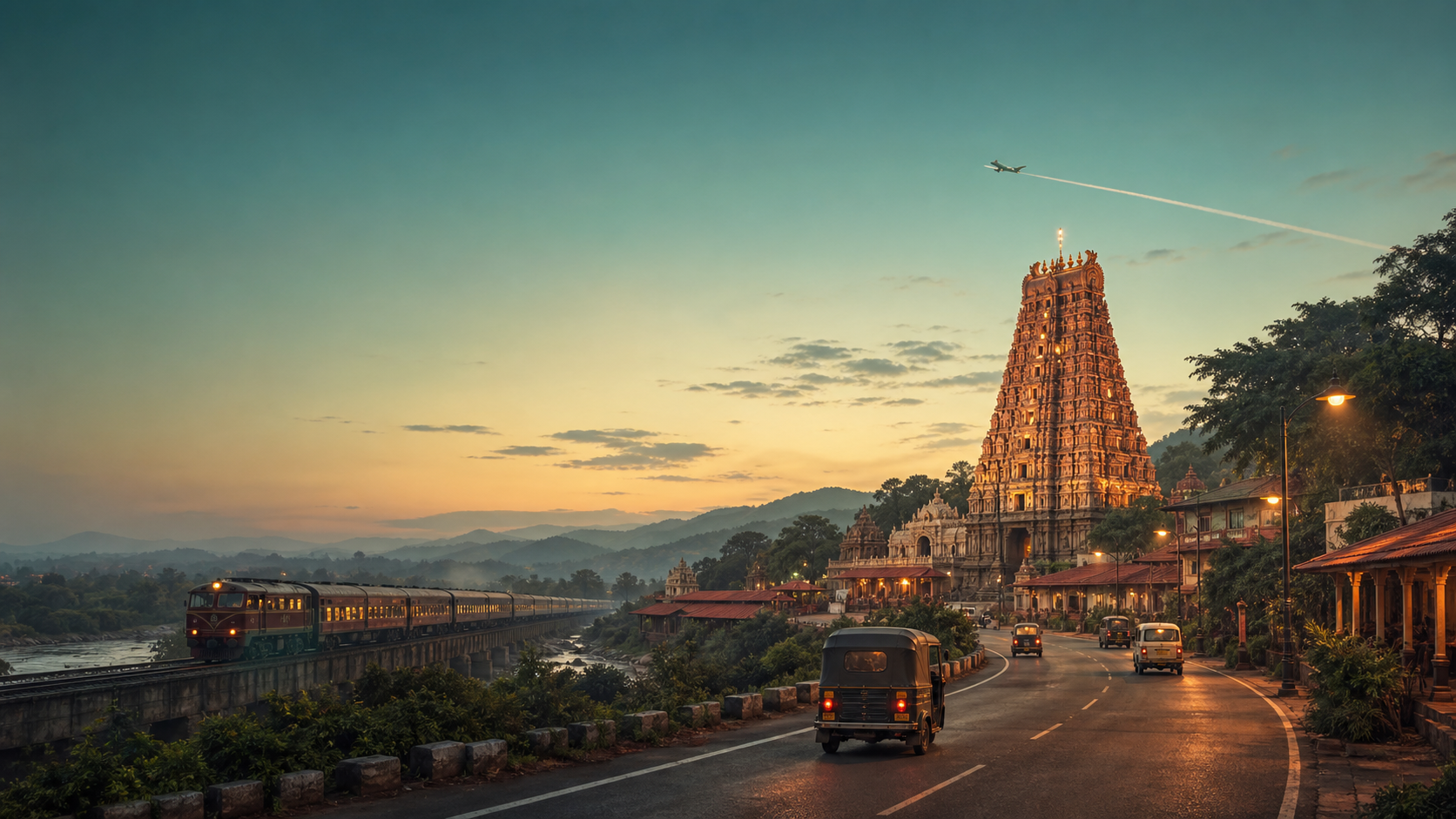
A complete pilgrim record drawn from the existing published article data.

The iconic star-shaped plan of the Chennakeshava Temple, Somanathapura, a hallmark of Hoysala architecture.
Historical Foundation
Timeline of Chennakeshava Temple, Somanathapura
Origins and Patronage: Somanatha Dandanayaka's Legacy
Definition: Agrahara
An agrahara was a settlement, typically a village or a section of a town, granted by royalty to Brahmins, often tax-free, for the purpose of promoting Vedic learning, religious rituals, and the maintenance of temples. These grants fostered scholarly communities and served as centers of cultural and religious life.
Eras of Damage, Renovation, and Preservation
"The repairs are evidenced by the different color of stones and quality of work in the veranda and parts of the northern tower and platform of the main temple." - George Michell
Architecture & Craftsmanship

Detail of the intricate friezes on the exterior walls, illustrating the unparalleled craftsmanship of Hoysala artisans.
The Hoysala Masterpiece: Design and Materials
64
Number of corridor shrines (some damaged) encircling the main temple.A Gallery in Stone: Sculptural Narratives and Iconography
- The Ramayana frieze graces the southern section, illustrating the epic's early parvas in vivid detail.
- The Mahabharata frieze is found on the northern section, capturing pivotal moments from the great war.
- The Bhagavata Purana frieze occupies the western section, depicting stories primarily related to Krishna's life.
"The Chennakesava temple, states author George Michell, represents the climax of the development in Hoysala temple style and yet is also unique in many ways."
The Presiding Deity
Vishnu's Triple Manifestation: Keshava, Janardhana, and Venugopala
The temple is dedicated to three forms of Vishnu, each housed in its own sanctum (garbhagriha), making it a true tri-kuta shrine:
- The western sanctum was dedicated to Keshava, a youthful and radiant form of Vishnu. Unfortunately, the main image of Keshava in this sanctum is lost.
- The northern sanctum houses the idol of Janardhana, another manifestation of Vishnu, symbolizing his role as a giver of prosperity and salvation.
- The southern sanctum enshrines Venugopala, the enchanting flute-playing form of Krishna, a popular avatar of Vishnu, captivating devotees with his divine music.
Deity Profile: Lord Vishnu (Tri-kuta Forms)
Keshava
Form: Young, radiant Vishnu (image lost)
Significance: Represents Vishnu as the one with beautiful hair, often associated with his auspicious and charming aspects.
Janardhana
Form: Vishnu as the remover of distress, giver of liberation.
Significance: A benevolent form, worshipped for prosperity, welfare, and ultimate salvation.
Venugopala
Form: Krishna as the divine cowherd playing the flute.
Significance: Symbolizes universal charm, divine love, and the captivating power of sacred music.
Tradition: Vaishnava (worship of Vishnu as the Supreme Being)
A Pantheon of Divinities: Supporting Deities and Iconography
Festivals & Living Traditions
Annual Celebrations: Chennakeshava Utsava
Key Takeaway: Festivals as Cultural Connectors
Even in temples managed by archaeological bodies, festivals like Chennakeshava Utsava play a crucial role in maintaining a living connection to the site's original religious and cultural purpose, bringing communities together to celebrate heritage and tradition.
Rituals and Artistic Legacy
Plan Your Visit
Getting There and Nearby Attractions
- Nearest City: Mysuru (approx. 38 km east).
- Nearest Airport: Mysuru Airport (MYQ) (approx. 120 km). Bengaluru (BLR) is a major international airport, about 170 km away.
- Nearest Railway: Somanathapura Railway Station (approx. 2 km). Mysuru Junction (MYS) is a major railway hub with better connectivity.
- Road: Well-connected by road from Mysuru via state highways.
Visitor Information and Best Practices
- Best Season to Visit: October to March offers cool, dry, and pleasant weather, ideal for exploring the open-air complex. This period also often coincides with the Chennakeshava Utsava (March–April).
- Suggested Duration: Allocate 2–3 hours to thoroughly appreciate the intricate carvings, friezes, and architectural nuances without rushing.
- Entry Fee: Applicable as per Archaeological Survey of India (ASI) regulations for Indian and foreign nationals.
- Photography: Permitted without flash to protect the delicate stone. Drone photography typically requires special permission.
- Dress Code: Modest dress is required (shoulders and knees covered) out of respect for the sacred space.
- Footwear: No footwear is allowed inside the main temple complex. Designated areas are available to leave your shoes.
Pro Tip for Carving Enthusiasts:
Visit early in the morning or late afternoon to experience the temple in softer light, which enhances the intricate details of the soapstone carvings and provides excellent photographic opportunities. Consider hiring an authorized guide to fully appreciate the complex narratives depicted on the walls.

The outer walls, a visual encyclopedia of Hindu mythology.
Related temples: Abeyadana Temple | Adi Kesava Perumal temple
Sacred Stories & Mythology
Epics Etched in Stone: The Ramayana, Mahabharata, and Bhagavata Purana
- The Ramayana: The southern wall is a sprawling canvas for the Ramayana, detailing the early parvas. Scenes vividly depict Dasharatha’s yajna for sons, the birth and childhood of Rama and his brothers, Rama slaying the demon Tataka to protect the rishis, his marriage to Sita at Janaka’s court, their exile to the forest, the infamous episode of Surpanakha, the golden deer leading to Ravana’s abduction of Sita, Jatayu’s valiant but ultimately fatal attempt to rescue her, and Hanuman’s pivotal meeting with Sugriva, leading to the alliance with Rama.
- The Mahabharata: The northern wall narrates key episodes from the Mahabharata, though often focusing on Krishna's role and the lead-up to the Kurukshetra war.
- The Bhagavata Purana: The western wall is dedicated to the Bhagavata Purana, primarily illustrating the playful exploits and divine deeds of Krishna, from his infancy to his heroic acts.
The Abduction of Sita
Among the many dramatic narratives carved into the temple's southern frieze is the poignant story of Sita's abduction by the demon king Ravana. The sequence begins with Surpanakha's disfigurement, inciting Ravana's desire for revenge. He conspires with Maricha, who transforms into a golden deer, luring Rama and Lakshmana away from their hermitage. In their absence, Ravana, disguised as a mendicant, abducts Sita. The courageous eagle Jatayu attempts to stop Ravana but is fatally wounded. This powerful narrative, etched in stone, evokes themes of deceit, tragedy, and the unyielding strength of righteousness, setting the stage for Rama's ultimate quest to rescue his beloved wife.
Mythological Events: Vishnu's Leelas and Avataras

Intricate ceiling carvings within the Sabha-mandapa, a common feature of Hoysala temples.
Saints, Poets & Devotees
The Vaishnava Tradition and Hoysala Devotion
Literary and Devotional Echoes
Records, Marvels & Heritage
UNESCO World Heritage Status and Hoysala Climax

One of the multi-layered basement friezes, showcasing elephants with varied expressions.
Unique Features, Engineering Marvels, and Archaeological Insights
The Chennakeshava Temple boasts several 'one-of-a-kind' features that set it apart:
- It is the only known Hoysala temple with three identical 16-pointed star shikharas (towers) over its tri-kuta sanctums, showcasing a rare architectural synthesis.
- Its sculptural program is considered the most complete and coherent, illustrating all three major Hindu epics/puranas (Ramayana, Mahabharata, Bhagavata Purana) on exterior bands in a spatially sequenced order for circumambulation.
🗺 How to Reach
Hover a card to animate the journey on the map
Route to Somanathapura
Common Questions
Where is Chennakeshava Temple Somanathapura: Hoysala Marvel located?
Chennakeshava Temple Somanathapura: Hoysala Marvel is documented at Somanathapura, Karnataka.
Which deity is associated with Chennakeshava Temple Somanathapura: Hoysala Marvel?
Chennakeshava Temple Somanathapura: Hoysala Marvel is associated with Vishnu.
Related Temples


A Living Covenant