
A complete pilgrim record drawn from the existing published article data.

The Royal Patronage: History and Origins
Founding under Narasimha I
Hoysala Era Milestones
Hoysala Architectural Legacy
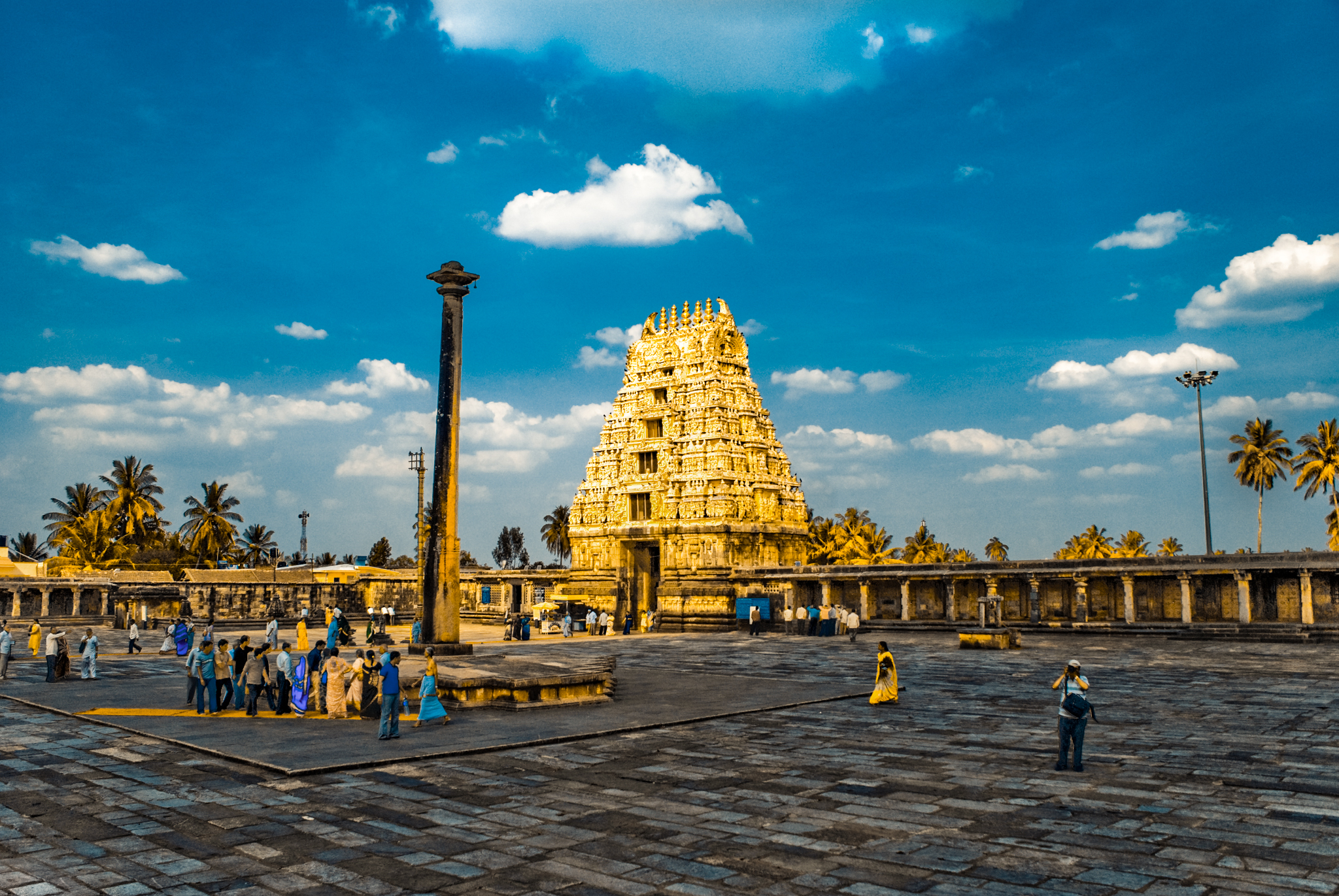
"The Chennakeshava Temple is a living manuscript, where every carved surface whispers tales of Hoysala royalty, divine mythology, and unparalleled stone artistry."
Architectural Symphony: Decoding the Hoysala Plan
Gateway to the Divine: Mukhamantapa
Elaborate Exterior Carvings

The Divine Presence: Vishnu and Temple Iconography
Chennakeshava: Lord Vishnu's Form
The presiding deity, Chennakeshava, is a beautiful form of Vishnu. 'Chenna' translates to 'beautiful' in Kannada, signifying the aesthetic perfection attributed to this manifestation of the god. Devotees worship him as the supreme preserver of the universe, embodying grace, protection, and divine splendor. His presence defines the spiritual core of the temple.
Lord Vishnu (Chennakeshava)
Lord Vishnu is one of the principal deities of Hinduism, revered as the Preserver of the Universe. In the Chennakeshava form, he is typically depicted holding his characteristic attributes: the conch (Panchajanya), the discus (Sudarshana Chakra), the mace (Kaumodaki), and the lotus. He is often associated with cosmic order (dharma) and the cyclical nature of creation, preservation, and dissolution. This temple celebrates his beautiful and benevolent aspect.
Symbolism in Stone: Kirtimukha and Aedicula
The specific details carved onto the walls and pillars carry deep symbolic weight within the Vaishnava tradition. The ubiquitous presence of the Kirtimukha, a mythical fierce-faced creature, at entrances and atop archways signifies auspiciousness, glory, and protection from evil. Its role is to ward off negative energies and guard the sanctity of the temple.
Narratives of Cosmic Order
While specific myths might not be overtly labelled, the entire temple exterior acts as a vibrant canvas for the stories of Vishnu. Carvings depict various avatars like Narasimha, Vamana, and Krishna, alongside scenes from Hindu epics and Puranas. Each relief panel serves as a visual chapter, guiding the devotee through tales of divine intervention, cosmic battles, and the triumph of good over evil, reinforcing the dharma. The artists effectively narrate these ancient sagas through intricate stone artistry, transforming mere stone into a dynamic mythological gallery.
"The stone itself breathes with the devotion of the builders, transforming raw material into an eternal narrative of divine worship, inviting reflection on cosmic truths."
Festivals and Community Life
Temples are not static monuments; they are vibrant centers of living spiritual tradition. The Chennakeshava Temple in Hullekere actively serves as a hub for the local community, where religious festivals are celebrated with fervor and elaborate rituals. These celebrations seamlessly blend ancient tradition with contemporary community life, drawing devotees from across the region and beyond.
Annual Celebrations and Rituals
A Hub of Living Heritage
Beyond formal rituals, the temple serves as a focal point for daily community gatherings, informal prayers, and educational activities. It functions as a living testament to the enduring faith and cultural continuity of the region. This constant interaction ensures that the Chennakeshava Temple remains a relevant and cherished institution, preserving centuries of heritage through active participation.
A Traveler's Guide to Visiting Hullekere
For those planning a pilgrimage or a cultural exploration of Karnataka, practical information is essential. Navigating to this exquisite site requires a bit of planning, but the reward of witnessing such architectural grandeur and spiritual serenity is immeasurable. This section offers practical guidance to ensure your experience is both enriching and smooth.
Reaching the Temple
Experiencing the Site
- Morning Light: The early morning light illuminates the soapstone carvings in a soft, ethereal glow, offering the most profound viewing and photographic experience.
- Silence and Reflection: Allow moments for quiet contemplation amidst the grandeur of the architecture, absorbing the spiritual energy of the site.
- Artistic Detail: Dedicate time to focus on the intricate interplay between the architectural forms and the detailed narrative of the relief carvings. You could spend hours discovering new details among the hundreds of distinct panels.
🗺 How to Reach
Hover a card to animate the journey on the map
Route to Hullekere
Common Questions
Where is Discover the Chennakeshava Temple: Hoysala Masterpiece in... located?
Discover the Chennakeshava Temple: Hoysala Masterpiece in... is documented at Karnataka.
Which deity is associated with Discover the Chennakeshava Temple: Hoysala Masterpiece in...?
Discover the Chennakeshava Temple: Hoysala Masterpiece in... is associated with Vishnu.
Related Temples


A Living Covenant