A complete pilgrim record drawn from the existing published article data.

Historical Foundation: The Hoysala Legacy
The Golden Age of Hoysala Patronage
"The Chennakeshava Temple is a silent symphony of stone, where the geometry of the cosmos meets the devotion of the devotee, echoing the unparalleled skill of the Hoysala artisans."
Temple's Genesis and Royal Support
Key Moments in Hoysala History & Temple Construction
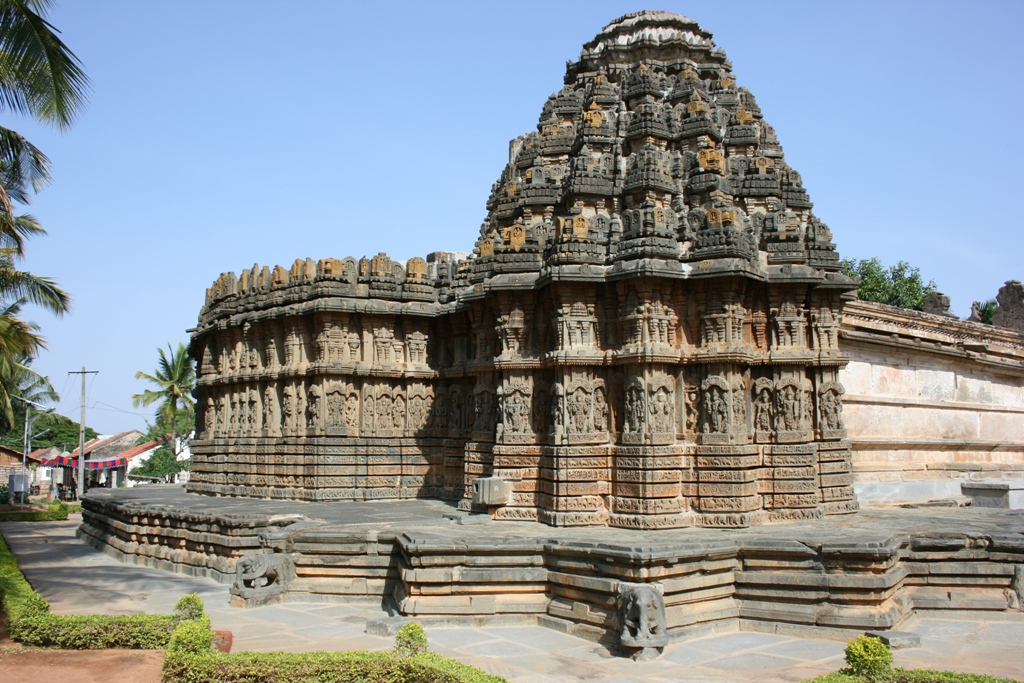
Architectural Marvel: The 16-Star Plan
The Stellated Geometry
Distinctive Structural Elements

Presiding Deity: Lord Chennakeshava (Vishnu)
The Benevolent Form of Vishnu
Chennakeshava (Vishnu)
Lord Chennakeshava is a form of Vishnu, the preserver god in the Hindu trinity. Known for his beauty and grace, he is often depicted with four arms, holding a conch (shankha), discus (chakra), mace (gada), and lotus (padma). His iconography symbolizes cosmic order, power, and purity. As the central deity, he represents divine benevolence and the preservation of universal harmony, making him a focal point of devotion and artistic expression within the temple.
Iconography and Divine Attributes
Sacred Calendar: Festivals and Spiritual Life
Annual Celebrations and Rituals
- Vaikuntha Ekadashi: A highly significant day dedicated to Vishnu, observed with fasting, prayers, and special rituals performed within the temple precincts. This sacred day is believed to open the gates of Vaikuntha (Vishnu's abode).
- Annual Temple Festivals (Jatra): Specific annual festivals, often tied to the local agricultural cycle, involve elaborate decorations, musical performances, and enthusiastic community participation, extending over several days.
- Rama Navami and Krishna Janmashtami: Celebrations marking the birth of Vishnu’s avatars, Rama and Krishna, are observed with devotion and cultural programs.
Community Devotion and Traditions
Visitor's Journey: Exploring Aralaguppe
Planning Your Trip
Practical Guidance and Cultural Etiquette
- Best Time to Visit: The cooler months, typically from October to March, offer the most pleasant weather for exploring the intricate carvings and surrounding areas, avoiding the intense heat of the summer.
- Dress Code: Adhere to modest and respectful attire when entering the temple premises, honoring the sacred space. Shoulders and knees should be covered.
- Exploration Focus: Dedicate ample time to examining the architectural details—pay particular attention to the transition between the jagati and the vimana—as these specific areas reveal the unparalleled genius of the Hoysala builders.
- Photography: While generally permitted, always be mindful of local customs and any specific restrictions, especially within the inner sanctum.
Sculptural Narratives: Epics Etched in Stone
Mythological Depictions on Exterior Walls
As a temple dedicated to Lord Vishnu, the carvings predominantly feature his various avatars (incarnations) and divine interactions. These mythological scenes showcase the deity’s cosmic role in maintaining universal balance and vanquishing evil. Each panel tells a story, offering insights into ancient Hindu texts and fostering a deeper understanding of the divine saga for devotees and scholars alike.
The Leela of Vishnu: Cosmic Tales in Carved Stone
The temple's exterior walls are a veritable gallery of Vishnu's divine 'leelas' or cosmic plays. One might find depictions of the Dashavatara (ten incarnations), illustrating tales such as the fish-avatar Matsya saving humanity from a great flood, the tortoise-avatar Kurma supporting Mount Mandara during the Samudra manthan (churning of the ocean), or the brave Narasimha (man-lion) vanquishing the demon Hiranyakashipu. These narratives are not only visually spectacular but also impart timeless lessons on dharma, devotion, and divine intervention, inviting visitors to ponder the deeper meanings embedded within each scene.
Friezes of Cosmic Drama
"Every inch of the Chennakeshava Temple's surface is a testament to the Hoysala sculptor's devotion, where intricate details breathe life into ancient myths, transforming stone into a vibrant chronicle of faith."

🗺 How to Reach
Hover a card to animate the journey on the map
Route to Aralaguppe
Common Questions
Where is Chennakeshava Temple: A Masterpiece of Hoysala Architecture... located?
Chennakeshava Temple: A Masterpiece of Hoysala Architecture... is documented at Karnataka.
Which deity is associated with Chennakeshava Temple: A Masterpiece of Hoysala Architecture...?
Chennakeshava Temple: A Masterpiece of Hoysala Architecture... is associated with Vishnu.
Related Temples


A Living Covenant