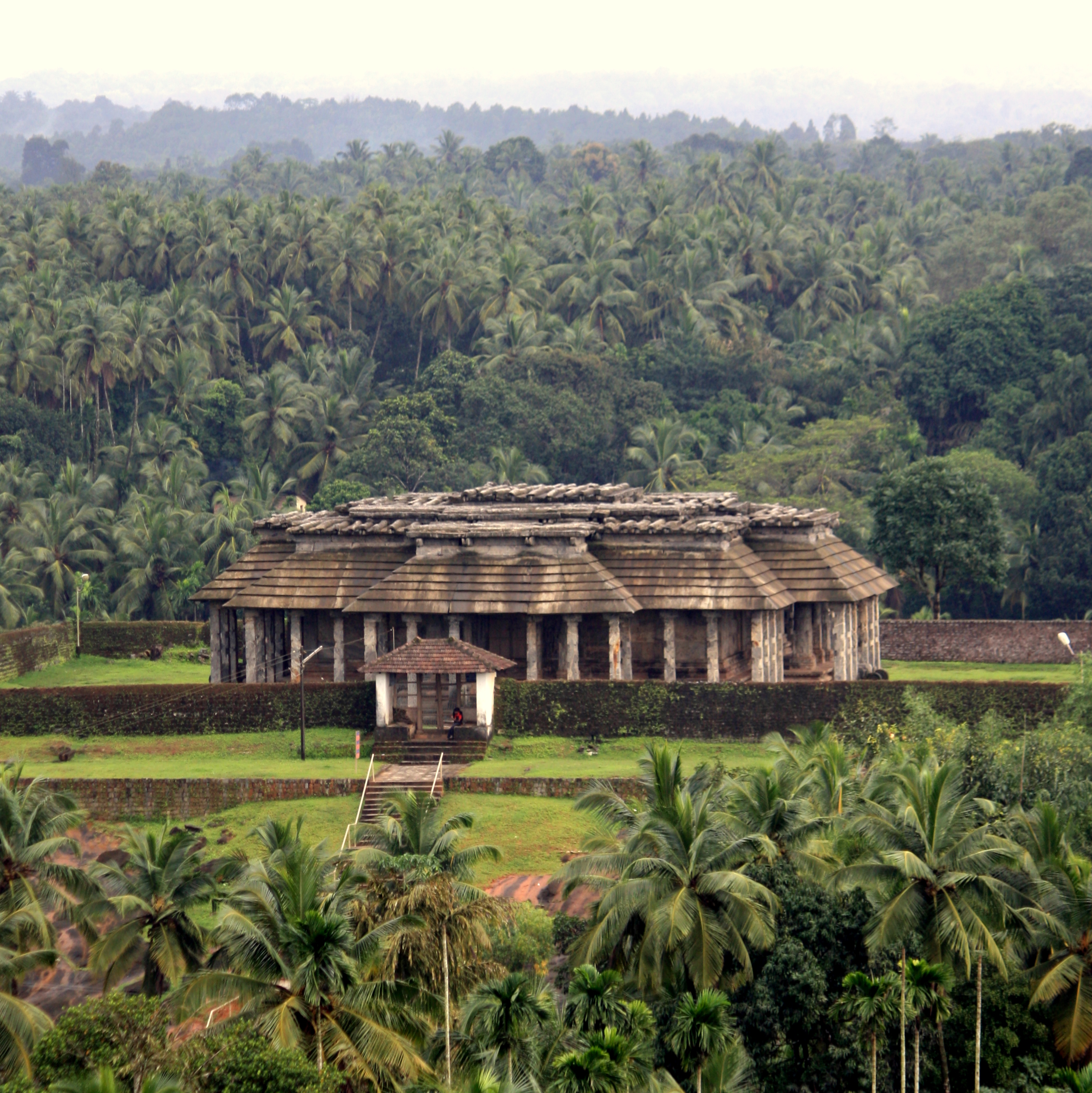
A complete pilgrim record drawn from the existing published article data.
The Historical Foundation: Echoes of the Santara Dynasty
Royal Patronage and Construction
"The construction of the Chaturmukha Basadi in 1586 CE stands as a powerful monument to the artistic and spiritual zenith achieved by the Santara rulers, embodying their enduring legacy in stone."
The Santara Legacy in Karkala
Key Historical Milestones
Architectural Marvel: Carved from the Earth
Monolithic Granite Construction
The Symbolism of Chaturmukha
Presiding Deities and Iconography
A temple's spiritual essence is fundamentally defined by the deities it enshrines, and the Chaturmukha Basadi perfectly exemplifies this principle. Its walls and central shrines are rich with intricate iconography, referencing revered figures and profound spiritual concepts that firmly anchor the structure within a vast and ancient heritage of Jain mythology and philosophy. The detailed carvings serve as visual sermons, conveying stories and teachings to the devotees.
The Tirthankaras Enshrined
Tirthankara Aranath, Mallinath, and Munisuvratnath
These three Tirthankaras, highly revered in Jainism, represent a profound path to liberation and spiritual purity. Aranath is traditionally associated with a fish as his symbol, Mallinath with a water pot, and Munisuvratnath with a tortoise. Their presence in the Chaturmukha Basadi underscores the temple's dedication to the core tenets of Jain philosophy, emphasizing non-violence (Ahimsa), truth (Satya), and spiritual asceticism. Worshippers meditate on their teachings to achieve spiritual elevation.
Jain Iconography and Spiritual Significance
"The Chaturmukha Basadi, with its four faces enshrining revered Tirthankaras, is not just a temple; it is a spiritual compass guiding devotees towards liberation and eternal peace."
The Spiritual Calendar: Festivals and Observances
Annual Devotions and Traditions
Significance of Jain Observances
A Visitor's Guide to Karkala
For those planning a pilgrimage or a cultural exploration to witness the grandeur of the Chaturmukha Basadi, essential practical information is paramount. Navigating to this remarkable historical site necessitates an understanding of its location and the best ways to experience its serene beauty. Karkala itself offers a rich tapestry of history and natural beauty, making it a rewarding destination.
To explore deeper into the rich history and architectural wonders of this region, we invite you to explore our other articles:


Planning Your Pilgrimage
Respectful Exploration
- Best Time to Visit: Plan your visit for the cooler morning or late afternoon hours, especially during warmer months, to comfortably appreciate the extensive details of the stonework. Early mornings offer a tranquil atmosphere and fewer crowds.
- Attire: Dress modestly, covering shoulders and knees, to show respect for the sacred nature of the site. Comfortable footwear is also advisable as you will be walking on stone surfaces.
- Photography: Be mindful of local customs and always seek permission before photographing individuals or sensitive areas within the temple premises. Some areas may prohibit flash photography to preserve ancient art.
Sacred Stories and Legends
Every ancient temple holds within its stone and lore a collection of sacred stories and legends that deepen its spiritual resonance. While specific foundational myths directly about the Chaturmukha Basadi are sparse in historical records, its creation and unique placement within Karkala’s sacred landscape are imbued with profound meaning, reflecting the devotional ethos of its builders and the enduring power of Jain faith.
The Vision of Immadi Bhairarasa
The Alignment with Bahubali
The Chaturmukha Basadi holds a unique external relationship with the famous Karkala Bahubali statue. This colossal 42-foot monolithic sculpture of Gommateshwara Bahubali was installed in 1432 CE by Veera Pandya of the Santara dynasty, under the spiritual guidance of Lalitakeerti, the Bhattaraka of Karkala. The Basadi's placement, facing this iconic statue, suggests a deliberate architectural and spiritual dialogue. It creates a harmonious relationship between the new temple and the pre-existing, revered symbol of renunciation and asceticism, linking the individual devotion within the Basadi to the broader spiritual narrative of Karkala's Jain heritage.
🗺 How to Reach
Hover a card to animate the journey on the map
Route to Chaturmukha Basadi: Exploring Karkala's Majestic Granite Temple
Common Questions
Where is Chaturmukha Basadi: Exploring Karkala's Majestic Granite Temple located?
Chaturmukha Basadi: Exploring Karkala's Majestic Granite Temple is documented at Badami, Karnataka.
Which deity is associated with Chaturmukha Basadi: Exploring Karkala's Majestic Granite Temple?
Chaturmukha Basadi: Exploring Karkala's Majestic Granite Temple is associated with Krishna.
Related Temples


A Living Covenant