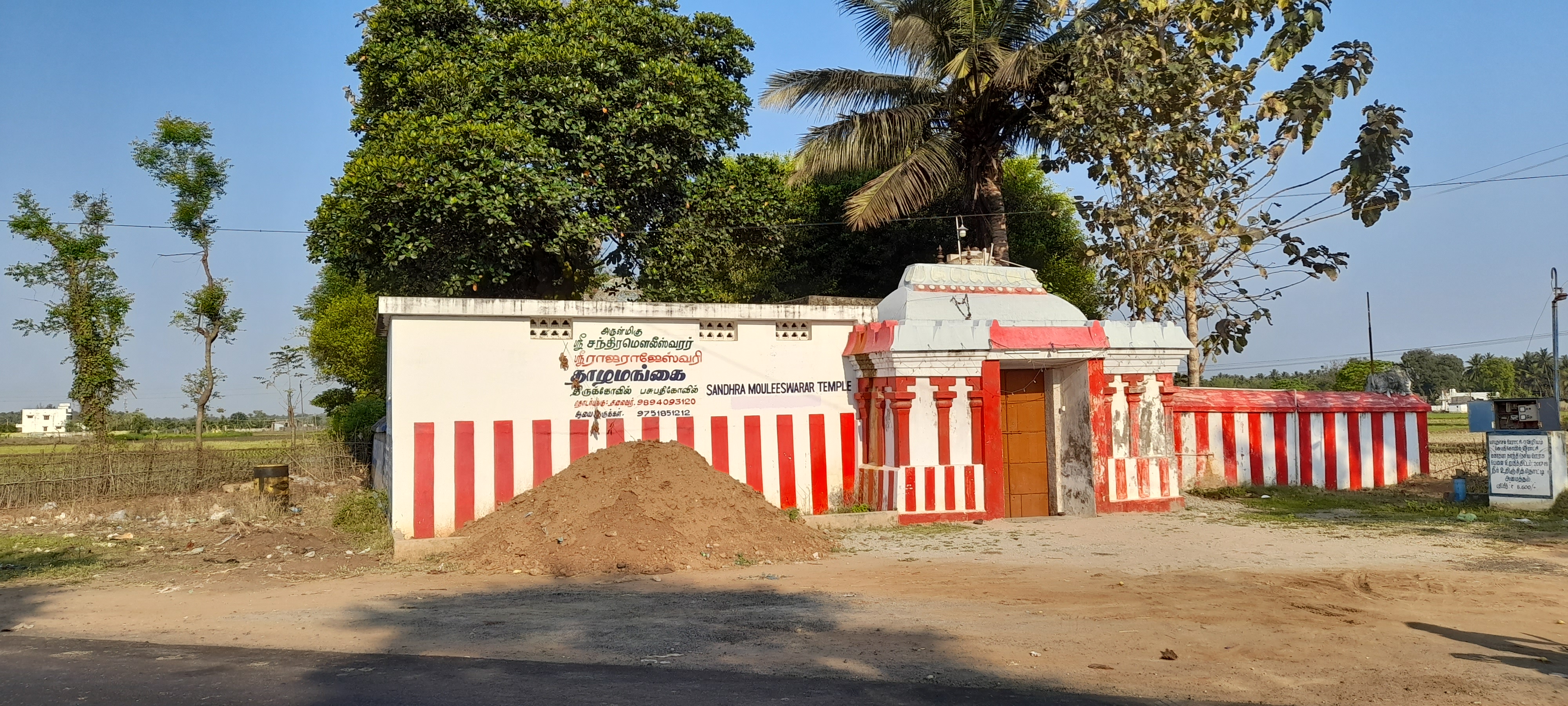
A complete pilgrim record drawn from the existing published article data.
The Sacred Geography: Understanding the Saptamangai Sthalams
The Concept of Saptamangai
Indrani's Devotion and the Sacred Circuit
The Saptamangai sthalams are more than just temples; they are points on a sacred map, each echoing the profound energies of the Divine Mother, woven into the fabric of South Indian spirituality.
Architectural Grandeur: Stone and Sacred Geometry
The Measured Layout and Orientation
Mandapa and Sacred Statuary
Integrating Nature and Spirituality
Mythology and Divine Intervention: The Legend of Chandra
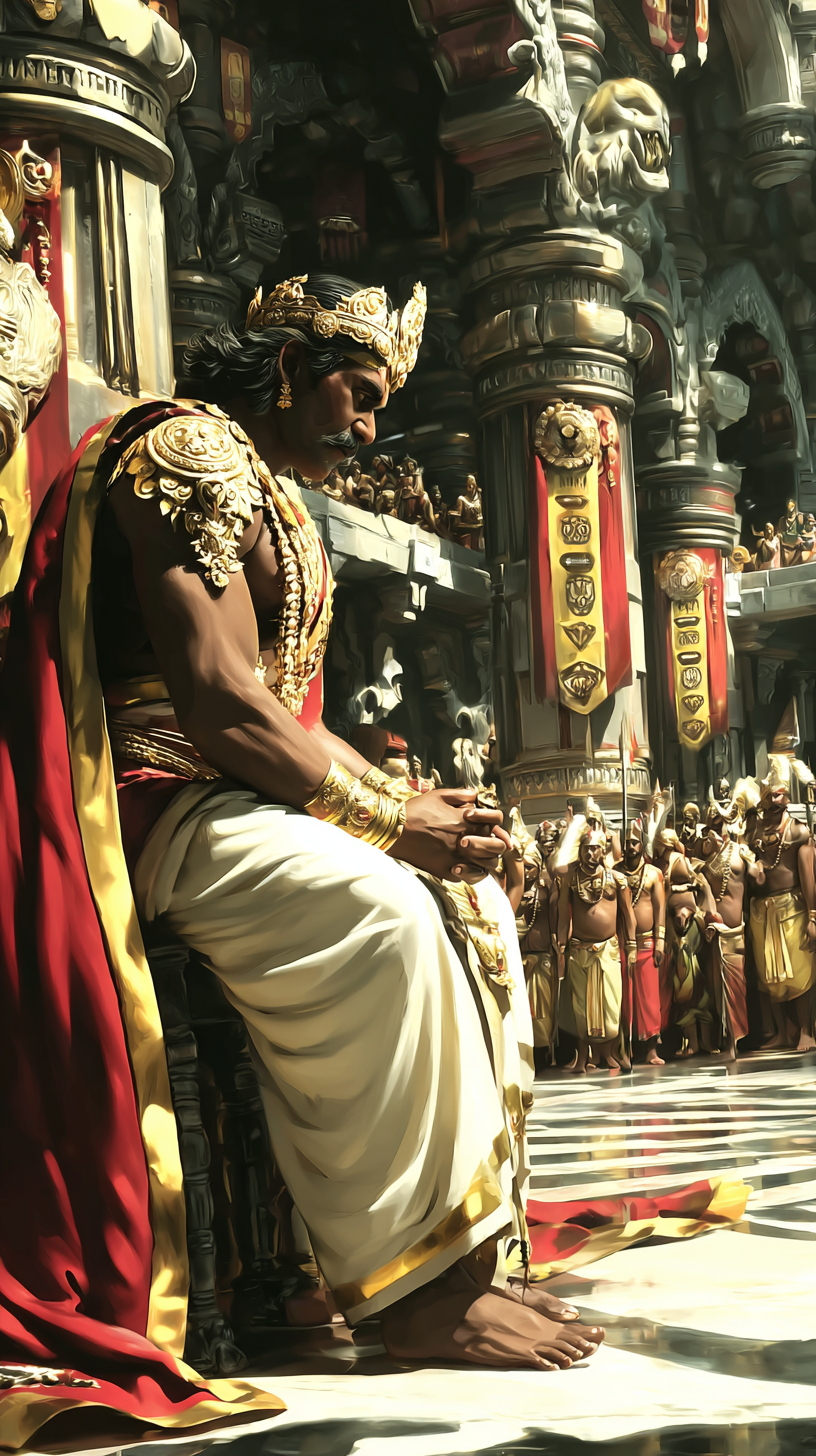
Daksha's Curse and Chandra's Plight
The Curse of Daksha
Daksha, having given 27 of his daughters in marriage to Chandra, grew furious when he perceived Chandra favoring only one, Rohini. In his rage, Daksha pronounced a curse that caused Chandra to waste away and lose his divine glow. Distraught and suffering, Chandra sought a path to redemption.
The Pilgrimage to Thazhamangai
The pilgrimage to Thazhamangai stands as a powerful testament to the power of repentance, the enduring quest for divine restoration, and Shiva's boundless compassion for his devotees.
Lessons in Repentance and Restoration
Festivals, Rituals, and Spiritual Practice
Annual Celebrations and Their Significance
Pilgrimage and Devotional Offerings
10th Century CEThe architectural and historical context places this temple firmly within a period of rich spiritual confluence, influencing centuries of devotional practice.
The Enduring Narrative in Practice
Planning Your Visit: A Guide for the Spiritual Traveler
For those planning a visit to this remarkable site, practical considerations ensure a respectful and enriching experience. Understanding the context of the Saptamangai is crucial for unlocking the true meaning of the pilgrimage.
"Every stone here carries the prayers of generations who came before."


Related temples: Aakkoor Thanthondreeswarar Temple | Abimukeswarar Temple
Location and Accessibility
Best Times and Etiquette
- Best Time to Visit: October to March for pleasant weather.
- Atmosphere: Expect a deeply spiritual and historically resonant environment.
- Rituals: Observe local customs regarding temple entry and worship to honor the sanctity of the Saptamangai lineage.
Exploring Nearby Sacred Sites
A temple is not merely stone and mortar — it is the crystallized devotion of generations, standing as testimony to the eternal yearning for the divine.
Historical Foundation and Patronage
Ancient Origins and Architectural Dating
Inscriptions and Historical Mentions
Presiding Deities and Associated Forms
Lord Chandramouleesvarar (Shiva)
Chandramouleesvarar
Lord Shiva, the presiding deity, is worshipped here as Chandramouleesvarar. This name signifies "the one who bears the moon (Chandra) on his head," directly linking him to the legend of Chandra's repentance and restoration of his divine light. Devotees revere Shiva in this form for his boundless compassion, his ability to grant forgiveness, and his power to alleviate suffering and bestow blessings.
The Lingam, the aniconic representation of Shiva, serves as the central focus of worship, embodying the ultimate reality and the source of all existence. His presence ensures the temple remains a beacon of hope for those seeking solace and spiritual rejuvenation.
The Saptamatrikas: Divine Mothers
Saptamatrikas
The seven Divine Mothers, or Saptamatrikas—Brahmani, Maheshvari, Kaumari, Vaishnavi, Varahi, Indrani, and Chamunda—are central to the temple's unique spiritual identity as a Saptamangai Sthalam. These powerful goddesses represent the personified energies of their respective male counterparts (Brahma, Shiva, Kartikeya, Vishnu, Varaha, Indra). They embody maternal protection, cosmic power, and the creative as well as destructive forces of the Divine Feminine.
Other Revered Deities
Vinayaka and Balamuruga
Within the temple complex, Vinayaka (Ganesha), the remover of obstacles, and Balamuruga (Kartikeya), the youthful warrior god and son of Shiva, hold significant places. Their shrines ensure a complete Shaivite worship experience, inviting blessings for wisdom, success, and protection. Murugan, also known as Kartikeya, is a beloved deity in Tamil Nadu, and his presence often symbolizes strength and divine knowledge.
Chandikesvarar
The shrine of Chandikesvarar, Shiva's chief devotee and treasurer, further enhances the temple's spiritual hierarchy. Worshipped as the guardian of the temple's offerings and the intermediary for devotees' prayers to Shiva, Chandikesvarar's presence underscores the deep devotional traditions associated with the temple dating back to the 10th century CE.
🗺 How to Reach
Hover a card to animate the journey on the map
Route to Chandramouleesvarar Temple: Secrets of the Saptamangai Sacred...
Common Questions
Where is Chandramouleesvarar Temple: Secrets of the Saptamangai Sacred... located?
Chandramouleesvarar Temple: Secrets of the Saptamangai Sacred... is documented at Thanjavur, Tamil Nadu.
Which deity is associated with Chandramouleesvarar Temple: Secrets of the Saptamangai Sacred...?
Chandramouleesvarar Temple: Secrets of the Saptamangai Sacred... is associated with Murugan.
Related Temples


A Living Covenant