
A complete pilgrim record drawn from the existing published article data.
The Historical Foundation: Roots in the Hoysala Kingdom
Patronage and Provenance
The patronage of Buci ensured that the Bucesvara Temple was not just a structure, but a declaration of the artistic and political might of the Hoysala realm.
This direct connection to the royal court elevates the site from a local shrine to a monument of profound historical and political consequence. It showcases how religious devotion and state power converged to create lasting cultural landmarks during the Hoysala reign.
Key Dates in Bucesvara Temple's History
A Landmark in Karnataka's Cultural Landscape
Architectural Brilliance: The Essence of Hoysala Style
The Twin Shrines and Unique Layout
The Sophisticated Staggered Geometry
This geometric complexity adds profound visual dynamism to the temple's exterior walls, allowing for a greater surface area for sculptural adornment. Simultaneously, it maintains remarkable structural integrity, showcasing the Hoysala architects' deep understanding of both aesthetics and engineering principles.
Exquisite Sculptural Detail and Superstructure
Deities and Divine Narratives
Principal Deities: Shiva and Surya
Lord Shiva
Shiva, one of the principal deities of Hinduism, is known as "The Destroyer" within the Trimurti (the Hindu trinity that includes Brahma and Vishnu). He is the supreme being who creates, protects and transforms the universe. Shiva is often depicted with a third eye on his forehead, a crescent moon in his matted hair, the river Ganga flowing from his hair, a snake around his neck, a trishula (trident) as his weapon, and a damaru (drum). He is the patron god of yoga and arts.
The juxtaposition of Shiva and Surya within the same sacred space beautifully encapsulates the cosmic harmony sought by the ancient builders, representing the union of transformative divine energy and essential life-sustaining light.
Mythological Tapestry on Stone
Scenes from the Ramayana
Many panels vividly depict episodes from the Ramayana, such as Rama's pursuit of the golden deer, the abduction of Sita by Ravana, and the epic battle on Lanka. These intricate carvings not only illustrate key moments but also capture the emotions and drama of these revered tales, offering devotees a visual sermon.
Krishna Leela from Bhagavata Purana
Another series of carvings portrays the enchanting 'Krishna Leela,' episodes from the life of Lord Krishna. These include his playful childhood antics, his heroic feats against demons, and his divine dance with the gopis. Such depictions brought the beloved deity's stories directly to the common people, reinforcing spiritual lessons through art.
Additional Iconography and Symbolism
The presence of such diverse iconography reveals the temple's role as a multifaceted cultural hub, reflecting the rich social and mythological life of the time. It speaks to a holistic worldview that embraced both spiritual aspirations and the celebration of life's earthly pleasures.
The Living Tradition: Festivals and Rituals
Cycles of Worship and Community
During these auspicious times, the atmosphere is rich with devotion, amplified by traditional music, rhythmic chants, and the intoxicating aroma of temple offerings. These events provide a living link to the temple's centuries-old traditions, allowing visitors to witness ancient practices in motion.
Observing Sacred Practices
Engaging with these sacred practices, even as an observer, can be a profoundly moving experience, offering insights into the enduring faith that has sustained the temple for over 800 years.
A Visitor's Guide to the Temple
For those planning a pilgrimage or a cultural exploration to this remarkable site, practical information ensures a more enriching and seamless experience. Understanding the logistics allows visitors to fully engage with the history and spiritual ambiance of the temple.
Related Temple: Chennakeshava Temple, Belur | Related Temple: Hoysaleswara Temple, Halebidu
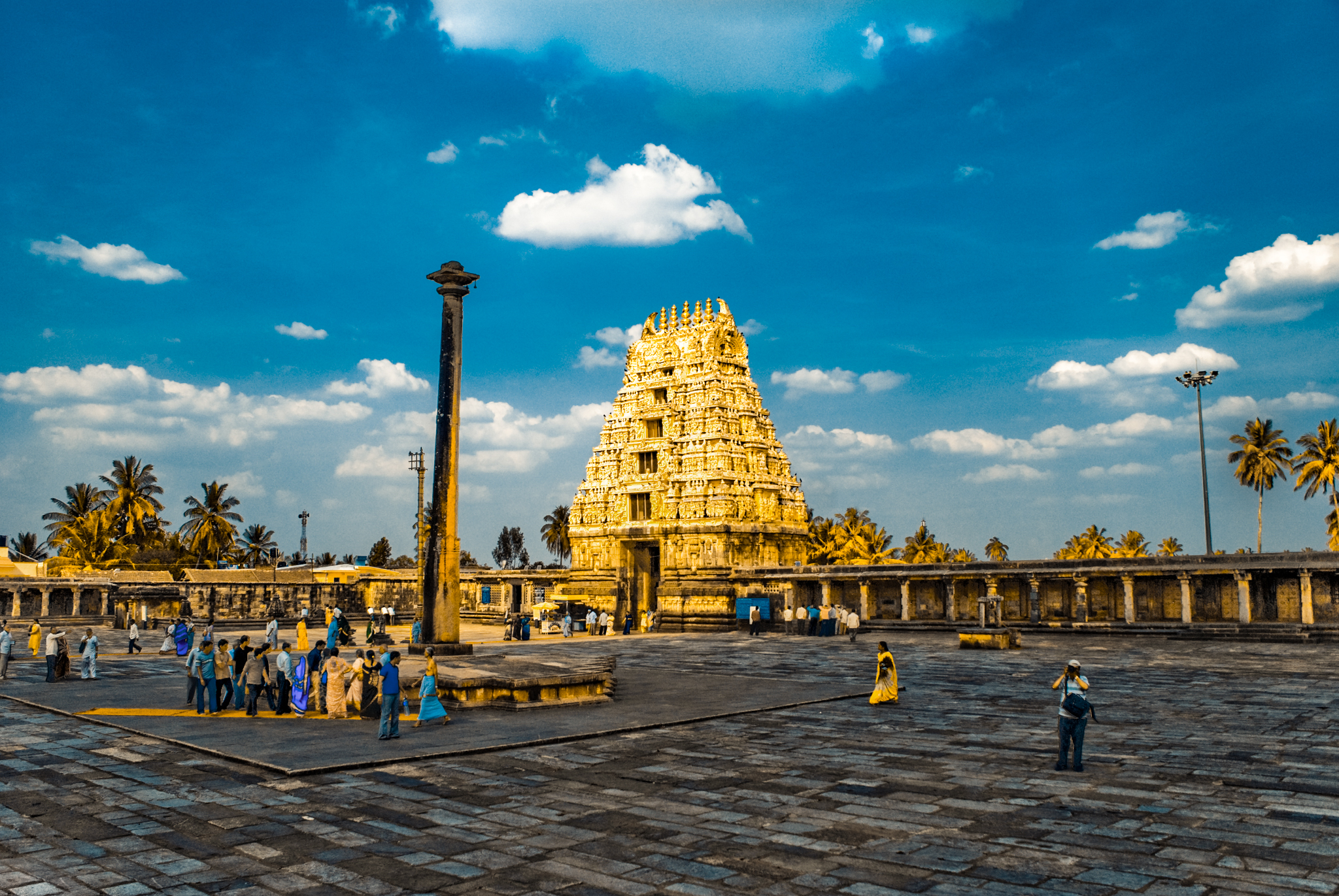
 Bucesvara Temple, Koravangala figure 8" loading="lazy" style="width:100%;border-radius:8px;" />
Getting There and Logistics
- Nearest Major City: Hassan, Karnataka
- Travel Distance: Approximately 12 km northeast of Hassan city. The drive typically takes about 20-30 minutes.
- Best Time to Visit: The cooler months, from October to March, offer the most pleasant experience for exploring the temple grounds. Summers (April to June) can be intensely hot, making extended outdoor exploration challenging.
- Accessibility: While historical sites sometimes present minor logistical challenges, the Bucesvara Temple is generally accessible. Local transport options from Hassan are available.
What to Expect on Site
🗺 How to Reach
Hover a card to animate the journey on the map
Route to Bucesvara Temple: A Masterpiece of Hoysala Architecture in...
Common Questions
Where is Bucesvara Temple: A Masterpiece of Hoysala Architecture in... located?
Bucesvara Temple: A Masterpiece of Hoysala Architecture in... is documented at Halebidu, Karnataka.
Which deity is associated with Bucesvara Temple: A Masterpiece of Hoysala Architecture in...?
Bucesvara Temple: A Masterpiece of Hoysala Architecture in... is associated with Shiva.
Related Temples


A Living Covenant