
A complete pilgrim record drawn from the existing published article data.
As we explore the history of this sacred site, we uncover a narrative rich with oral traditions, royal patronage, and the enduring legacy of a powerful deity. From the earliest foundations laid by local chieftains to the intricate carvings that tell epic stories, Kikkeri offers a profound window into the socio-religious landscape of pre-modern Karnataka.
The Echoes of History: Origins and Royal Patronage
The history of the Brahmeshvara Temple is interwoven with the evolving narrative of the region, specifically during the vibrant periods of the 11th and 12th centuries. This era witnessed significant cultural and political dynamism across South India, profoundly influencing architectural and religious developments.
Oral Traditions and Local Foundations
The Legend of Chief Keeka
According to ancient lore, the region now known as Kikkeri was once under the sway of a formidable tribal chief, Keeka. Through a strategic negotiation with the reigning monarch, Keeka secured rights to establish a village bearing his name, construct a fort for defense, and erect a temple—a powerful symbol of his tribe's integration and devotion. This foundational story underscores the deep historical roots and local significance of the temple's establishment.
The temple’s story is a heritage woven from royal decrees and ancient oral tales, revealing the complex interplay between political power and spiritual devotion.
Inscriptions and Historical Corroboration
Architectural Marvel: The Hoysala Hand
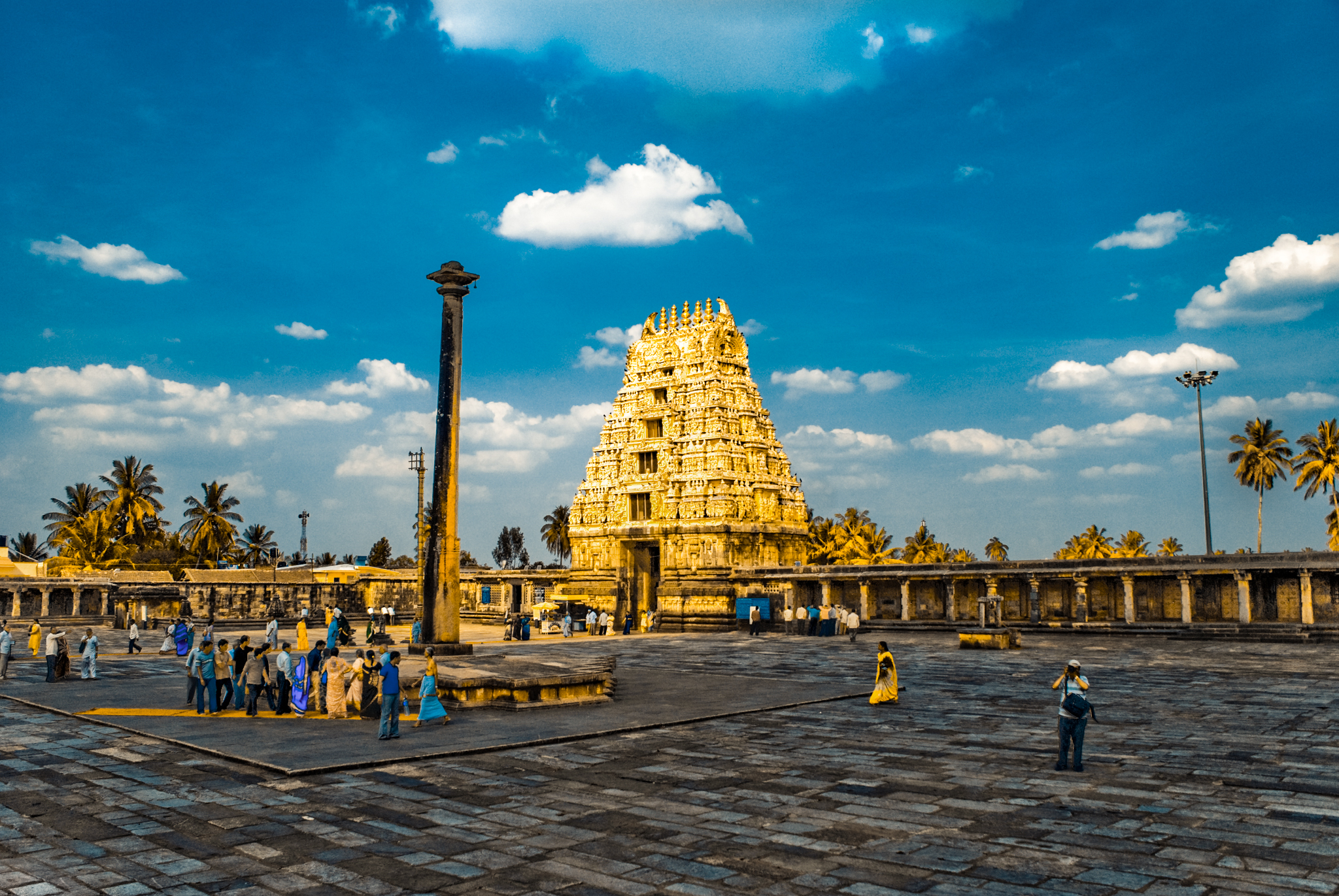
The physical structure of the Brahmeshvara Temple is a masterclass in Hoysala architectural innovation. It stands apart from many contemporary temples, demonstrating a unique synthesis of structural principles and decorative exuberance that define this celebrated style.
Unique Floor Plan and Layout
The Vimana and Sculptural Detail
The Rhythms of Celebration: Festivals and Rituals
Temple life at Kikkeri is pulsed by the rhythm of festivals, transforming the sacred space into a vibrant hub of community celebration. While specific annual festival schedules require local consultation, the temple undoubtedly participates in the grand Hindu calendar, drawing devotees from across the region.
Annual Temple Festivals
Daily Rituals and Devotional Practices
A Guide for the Pilgrim: Visiting Kikkeri
For travelers seeking to experience the tranquility and history of Kikkeri, understanding the logistics of a visit is essential. The surrounding region is steeped in history, and approaching the temple with respect ensures a richer and more meaningful experience.
The Brahmeshvara Temple in Kikkeri is more than just an architectural artifact; it is a profound statement about the enduring nature of faith, artistic expression, and cultural synthesis in India. It reflects the ingenuity of the Hoysala builders and the deep, abiding spiritual connection of the people of Karnataka to Lord Vishnu and the wider Hindu pantheon.


Related temples: Aakkoor Thanthondreeswarar Temple | Aazhimala Shiva Temple
Navigating Kikkeri and Surrounding Attractions
Best Times to Visit and Etiquette
A Pantheon of Faith: Deities and Syncretism
The spiritual focus of the Brahmeshvara Temple is primarily on Lord Vishnu, even though the name "Brahmeshvara" might suggest otherwise. What makes this temple truly remarkable is its profound integration of diverse streams of Hinduism, reflecting the inclusive nature of faith prevalent in the Deccan region.
Vishnu as the Central Focus
As a dedicated Vaishnavite shrine, the temple embodies the vast cosmic power and benevolent presence of Lord Vishnu. The architectural elements—the mandapas and the vimana—are designed to channel the devotee’s focus towards the divine presence within the sanctum, reflecting the profound philosophical depth of Vaishnavism. Iconography within the temple, though subtly integrated, aligns with Vishnu's attributes and narratives.
Lord Vishnu (Brahmeshvara)
Lord Vishnu, the preserver of the universe in the Hindu trinity, is the principal deity of the Brahmeshvara Temple. He is often depicted holding a conch (shankha), discus (chakra), mace (gada), and lotus (padma). His consort is Lakshmi, the goddess of wealth and prosperity. The temple's dedication to Vishnu highlights the strong Vaishnavite tradition that flourished under Hoysala patronage, celebrating his role in maintaining cosmic order and dharma.
Integration of Traditions
The Brahmeshvara Temple serves as a tangible reminder that spirituality, while diverse, often finds its most beautiful expression in shared reverence for the divine essence.
🗺 How to Reach
Hover a card to animate the journey on the map
Route to Brahmeshvara Temple: Lost Hoysala Masterpiece in Karnataka
Common Questions
Where is Brahmeshvara Temple: Lost Hoysala Masterpiece in Karnataka located?
Brahmeshvara Temple: Lost Hoysala Masterpiece in Karnataka is documented at Shravanabelagola, Karnataka.
Which deity is associated with Brahmeshvara Temple: Lost Hoysala Masterpiece in Karnataka?
Brahmeshvara Temple: Lost Hoysala Masterpiece in Karnataka is associated with Vishnu.
Related Temples


A Living Covenant