
A complete pilgrim record drawn from the existing published article data.
The Historical Context: A Legacy of the Western Chalukyas
The Chalukya Dynasty and Patronage
The Western Chalukyas established a distinct architectural idiom, bridging earlier traditions with innovative forms that would influence subsequent dynasties like the Hoysalas.
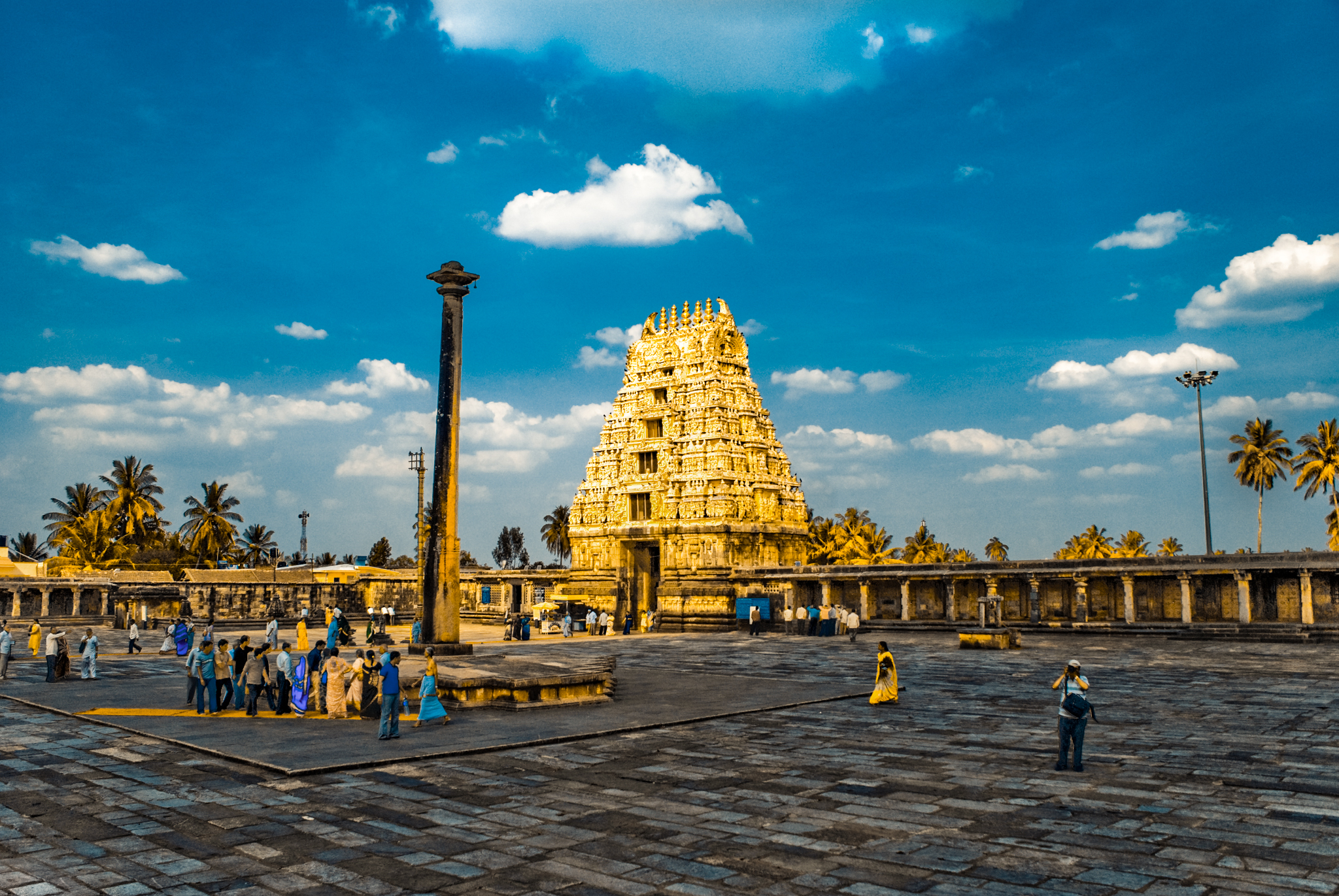
Their patronage led to the construction of hundreds of temples, each a testament to their devotion and artistic vision. The Bhimeshvara Temple exemplifies this legacy, reflecting the imperial might and cultural sophistication that defined the Chalukya empire.
Architectural Crossroads: Chalukya-Hoysala Synthesis
Key Historical Milestones
Construction Chronology and Material Science
Architectural Marvel: The Temple Plan and Structure
The Chatuskuta Vimana Configuration
Thoughtful Internal Spaces: Antarala and Sabhamantapa
Unique Features: The East Porch and Minor Shrines
Sculptural Narrative: Decoration and Iconography
The Auspicious Kirtimukha and Gateway Guardians
The intricate carvings, particularly the Kirtimukha, are not just decorative; they are symbolic portals, guiding the devotee's mind from the earthly realm towards spiritual contemplation.
Masterful Soapstone Carvings and Decorative Motifs
Iconographic Details: Depictions and Symbolism
Festivals and Community Life
Annual Celebrations and Rituals
The Temple's Role in Modern Community
A Visitor’s Guide to Nilagunda


Related temples: Aakkoor Thanthondreeswarar Temple | Aazhimala Shiva Temple
Reaching the Temple: Location and Connectivity
Planning Your Visit: Practical Advice and Local Exploration
- Best Time to Visit: The post-monsoon and winter months (October to February) are ideal, with pleasant temperatures.
- Attire: Dress modestly, respecting the sanctity of the temple environment. Light, comfortable clothing is recommended, especially if you plan to explore extensively.
- Photography: Photography is generally permitted, but it's always advisable to confirm with local authorities or priests, especially inside the sanctums. Respect any restrictions.
- Interaction: Engage respectfully with the local community and any resident priests. They can offer invaluable insights into the temple’s ongoing rituals and traditions.
- Nearby Attractions: Consider exploring other Chalukya-era temples in the Davangere region or visiting the city of Davangere itself for local cuisine and culture. Explore More Chalukya Temples for further historical insights.
Deities and Legends: The Spiritual Heart
The Presiding Deity: Lord Bhimeshvara
Lord Bhimeshvara (Shiva)
Lord Bhimeshvara represents a powerful manifestation of Shiva, often associated with strength, protection, and divine judgment. The 'Bhima' aspect hints at extraordinary power, possibly linking to mythological heroes or venerating a formidable aspect of Shiva. As 'Ishvara', he is the supreme ruler, controller of the universe, and the ultimate destroyer of evil. Devotees seek Bhimeshvara for courage, victory over adversaries, and spiritual liberation.
Local Legends and Mythological Connections
The Legend of Bhima's Devotion
According to a local legend, the mighty Pandava prince Bhima, renowned for his immense strength, once traveled through this region during his exile. Deeply devoted to Lord Shiva, he sought a place of profound spiritual energy to offer his prayers. After a strenuous journey, he discovered this serene spot in Nilagunda. Impressed by its tranquility and spiritual resonance, Bhima is said to have installed a Shiva Lingam here and performed rigorous penance. Pleased by his unwavering devotion and immense strength, Lord Shiva appeared before him, declaring that this sacred site would henceforth be known as Bhimeshvara, signifying Shiva's presence, blessed by Bhima's formidable power. This legend reinforces the temple's association with divine strength and unwavering faith.
The Temple as a Center of Worship
🗺 How to Reach
Hover a card to animate the journey on the map
Route to Bhimeshvara Temple: Exploring the Later Chalukya Masterpiece...
Common Questions
Where is Bhimeshvara Temple: Exploring the Later Chalukya Masterpiece... located?
Bhimeshvara Temple: Exploring the Later Chalukya Masterpiece... is documented at Davangere, Karnataka.
Which deity is associated with Bhimeshvara Temple: Exploring the Later Chalukya Masterpiece...?
Bhimeshvara Temple: Exploring the Later Chalukya Masterpiece... is associated with Shiva.
Related Temples


A Living Covenant