




A complete pilgrim record drawn from the existing published article data.
Historical Foundation
Hampi's temples are deeply rooted in a rich and ancient past, primarily flourishing under the mighty Vijayanagara Empire. This section delves into the historical origins of this magnificent city, exploring how it rose to prominence as a spiritual and political powerhouse in South India. We will uncover the key periods, influential rulers, and significant events that shaped Hampi's religious landscape, laying the groundwork for the breathtaking architectural wonders that continue to inspire visitors today.
Early Beginnings: Pre-Vijayanagara Era
Long before the majestic Vijayanagara Empire rose to prominence, the region now known as Hampi, then called Kishkindha or Pampa Kshetra, was already a significant spiritual and cultural hub. Its ancient roots trace back millennia, deeply embedded in Hindu mythology and early human settlements along the Tungabhadra River. Archaeological findings reveal continuous habitation and religious activity, indicating a sacred landscape that predates the imperial city. This foundational period saw the emergence of several important shrines and structures, laying the groundwork for the architectural splendor that would later define Hampi's identity.
The Rise of the Vijayanagara Empire
The Zenith and Decline of a Great Empire
Key Takeaway: Hampi's Layered History
Hampi's history is not solely defined by the Vijayanagara Empire. It possesses significant pre-imperial roots with continuous religious activity and patronage from Chalukya and Hoysala dynasties, culminating in its zenith as a global economic and cultural powerhouse before its tragic decline.
Architecture & Craftsmanship
Hampi's temples stand as a breathtaking testament to the architectural brilliance and unparalleled craftsmanship of the Vijayanagara Empire. This distinct style, characterized by its grandeur and meticulous detailing, seamlessly blends Dravidian influences with unique local innovations. From towering gopurams and expansive mandapas to intricate carvings depicting deities, mythological narratives, and daily life, every structure reflects a profound artistic vision. The sophisticated use of granite and advanced engineering techniques allowed for the creation of enduring masterpieces that continue to captivate visitors with their beauty and historical significance.
Distinctive Features and Materials
"The monuments at Hampi bear exceptional testimony to the Vijayanagara Empire's outstanding architectural expression and town planning in the 14th-16th centuries. Its ruins are a living testament to human creative genius and a significant stage in human history." — UNESCO World Heritage Nomination File
Architectural Marvels: Virupaksha, Vittala & Hazara Rama

The towering gopuram of Virupaksha Temple, a beacon of Hampi's enduring spiritual legacy.
Engineering Ingenuity and Sculptural Brilliance
What is a Gopuram?
A gopuram is a monumental entrance tower, usually ornate and pyramidal, at the entrance of a Hindu temple, especially in South India. They are often multi-storied and covered with sculptures of deities, animals, and mythological figures.

The iconic monolithic Stone Chariot, a masterpiece of Vijayanagara architecture at the Vittala Temple.
The Presiding Deity
Every temple in Hampi is consecrated to a specific presiding deity, serving as its spiritual core and the primary focus of devotion. These divine figures, predominantly manifestations of Shiva or Vishnu, embody the rich religious traditions that flourished during the Vijayanagara Empire. Understanding who these central deities are offers invaluable insight into each temple's unique purpose, architectural design, and the rituals performed within its sacred precincts. The following details will explore the specific deities revered in Hampi's most iconic temples, shedding light on their significance and associated mythology.
Lord Virupaksha and Goddess Pampa
Virupaksha (Shiva)
- Main Deity: Virupaksha (a fierce form of Shiva)
- Deity Form: Lingam (an aniconic representation)
- Consort: Pampa (Parvati)
- Tradition: Shaiva
- Spiritual Significance: Associated with the element of Earth (Prithvi) as part of the Pancha Bhoota Sthala concept, although not formally one of the five specific temples. The continuous worship since the 7th century highlights its enduring spiritual power.
Virupaksha is revered as the guardian deity of the Vijayanagara rulers, whose devotion is enshrined in the very fabric of Hampi's monumental architecture.
Secondary Deities and Vaishnava Presence

The imposing monolithic Yoga Narasimha statue, a testament to the diverse spiritual forms revered in Hampi.
Festivals & Living Traditions
Hampi's magnificent temples are not merely historical monuments; they are vibrant centers where ancient traditions and spiritual practices continue to flourish. Throughout the year, these sacred sites host a variety of festivals, bringing the ruins to life with color, music, and devotion. These celebrations offer a profound insight into the enduring cultural heritage and living faith of the region, connecting visitors to centuries of spiritual continuity. Understanding these festive customs enriches the experience, revealing the dynamic heart of Hampi's religious life.
Virupaksha Car Festival (Rathotsava)

The Virupaksha Car Festival, a vibrant annual event bringing the ancient traditions of Hampi to life.
Hampi Utsav: A Cultural Extravaganza
Hampi Utsav, also known as the Vijaya Utsav, is an annual cultural festival that transforms the ancient ruins of Hampi into a vibrant stage of celebration. This grand extravaganza pays homage to the rich history, art, and architecture of the Vijayanagara Empire, drawing artists and tourists from across the globe. Attendees can immerse themselves in traditional music, classical dance performances, puppet shows, dazzling light and sound displays, and various cultural events that bring the glorious past to life. This section delves into the festival's fascinating history, its typical timings, and practical advice on how to experience this unforgettable spectacle.
Daily Rituals and Offerings
Hampi's temples are not merely historical monuments but living centers of devotion, where daily rituals form the heart of their spiritual activities. These sacred practices, often performed by temple priests according to age-old traditions, involve various pujas, aartis, and specific offerings made to the presiding deities. Understanding the schedule and nature of these daily observances provides a deeper insight into the living religious heritage of Hampi, allowing visitors to experience the profound spiritual atmosphere that permeates these historic sites.
Plan Your Visit
To ensure a memorable and seamless exploration of Hampi's iconic temples, a little preparation goes a long way. This section is designed to equip you with all the essential details needed for a well-organized visit. We will provide insights into the rich historical context of these ancient marvels, outline their typical operating hours to help you schedule your day effectively, and offer comprehensive guidance on the most convenient ways to reach this breathtaking UNESCO World Heritage site in Karnataka.
Best Time to Visit & Duration
Planning your trip to Hampi involves considering the ideal time of year to experience its ancient wonders comfortably. Understanding the climate patterns and peak seasons is crucial for an enjoyable visit. Additionally, knowing how much time to allocate allows you to explore the magnificent temples and ruins without feeling rushed, ensuring you capture the essence of this UNESCO World Heritage site.
How to Reach Hampi
Hampi is well-connected, albeit indirectly, to major cities.
- Nearest City: Hosapete (13 km) is the closest town with better connectivity and accommodation options.
- Nearest Airport: The nearest functional airport is Kempegowda International Airport, Bengaluru (BLR), approximately 350 km away. Smaller regional airports include Vijayawada Airport (180 km) and Hubballi Airport (190 km). From Bengaluru, you can take an overnight bus or train to Hosapete.
- Nearest Railway: Hosapete Junction (HPT) is the nearest railway station, just 13 km from Hampi, with good connections to major cities like Bengaluru, Hyderabad, and Goa.
- By Road: Hampi is easily accessible by road from major cities in Karnataka and neighboring states. KSRTC (Karnataka State Road Transport Corporation) operates regular buses to Hosapete. From Hosapete, local buses, auto-rickshaws, or taxis are readily available to Hampi.
Visitor Guidelines & Tips
To ensure a respectful and enriching visit:
- Dress Code: Modest dress is required, especially when entering active temples. Footwear must be removed before entering temple sanctums.
- Photography: Photography is generally allowed throughout the site, but prohibited inside the garbhagrihas (sanctums) of active temples like Virupaksha. Drones are prohibited without prior permission from ASI.
- Site Navigation: The ruins are spread out, so consider renting a bicycle, scooter, or taking an auto-rickshaw tour. Walking is the best way to explore many areas.
- Stay Hydrated: Hampi can get hot, especially outside the peak season. Carry water and wear comfortable shoes.
- No Smoking/Alcohol: These are strictly prohibited on the site.
 Best Temples in Hampi: History, Timings and How to Reach figure 6" loading="lazy" style="width:100%;border-radius:8px;" />


Related temples: Aakkoor Thanthondreeswarar Temple | Aazhimala Shiva Temple
Sacred Stories & Mythology
Beyond their architectural grandeur, the temples of Hampi are deeply interwoven with a tapestry of ancient Hindu mythology and sacred narratives. This region, believed to be Kishkindha from the epic Ramayana, served as a pivotal stage for divine events involving deities like Lord Rama, Hanuman, and Shiva. Exploring these profound stories and legends offers visitors a unique insight into the spiritual essence and historical significance that permeates every stone and structure, revealing tales of cosmic battles, divine blessings, and heroic deeds that shaped the very landscape.
The Legend of Pampa and Pampapati
Pampa's Penance on Hemakuta Hill
Long ago, the daughter of Brahma, Pampa, sought to marry Lord Shiva. To achieve this, she performed severe penance on the sacred Hemakuta Hill, meditating tirelessly, surviving on leaves and later just air. So profound was her devotion that Shiva was pleased and agreed to take her as his wife. This divine marriage consecrated the land, transforming it into Pampakshetra, a place where profound spiritual energy is said to linger to this day. Devotees believe that visiting Hemakuta Hill can still bring blessings of devotion and marital harmony.
Kishkindha: The Realm of Rama and Hanuman
"To walk through Hampi is to walk through the pages of the Ramayana and the Puranas, where every stone has a story and every ruin whispers tales of gods and kings." — Nicholas Gier, 'The Yoga of Kings'
Saints, Poets & Devotees
Hampi's spiritual landscape was profoundly shaped by the contributions of numerous saints, poets, and devotees. These revered figures not only worshipped at its temples but also enriched the region's cultural and religious fabric through their hymns, teachings, and unwavering devotion. Their stories are intrinsically linked to the very stones of Hampi, inspiring generations and leaving an indelible mark on its sacred sites. This section explores the lives and legacies of some of these influential personalities who walked these hallowed grounds.
Adi Shankara and the Virupaksha Matha
Adi Shankara, the revered 8th-century philosopher and theologian, is deeply associated with the spiritual landscape of India, including the sacred site of Hampi. His profound contributions to the Advaita Vedanta school of Hinduism left an indelible mark. The Virupaksha Matha, a significant monastic institution within Hampi, is believed to have a historical connection to his lineage or teachings, serving as a vital center for spiritual learning and practice. This section explores the historical ties between Adi Shankara's legacy and the Virupaksha Matha, delving into its origins and enduring spiritual importance within Hampi's rich heritage.
Vidyaranya: The Guiding Light of Vijayanagara
Pro-Tip: Explore the Shankaracharya Matha
While visiting the Virupaksha Temple, take time to explore the Adi Shankara-linked monastery (matha) within its complex. It offers a glimpse into the continuous spiritual traditions of Hampi and often has resident ascetics who can share insights.
Royal Patronage and Devotion
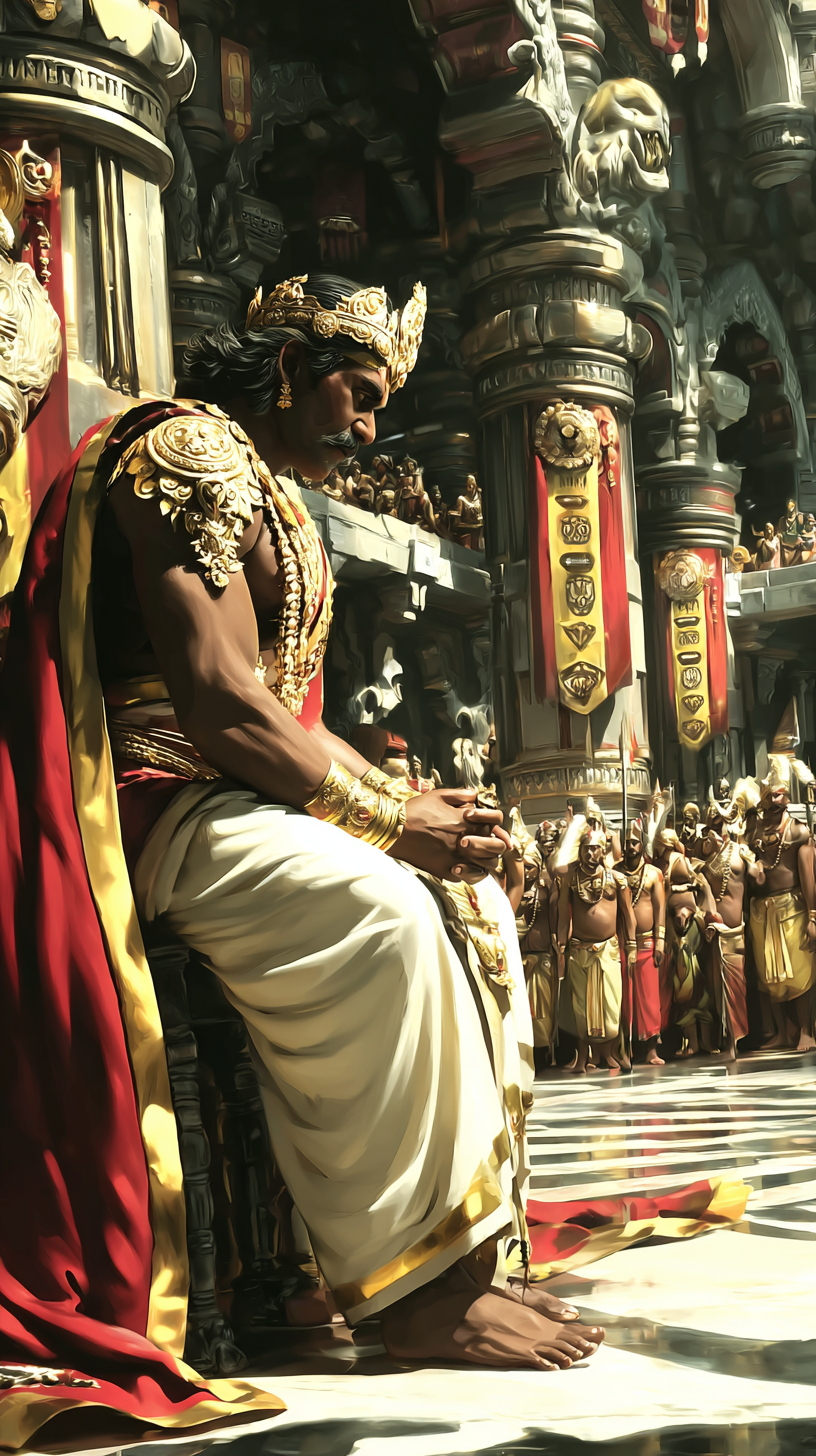
The magnificent temples of Hampi stand as enduring symbols of the profound royal patronage and unwavering devotion of the Vijayanagara emperors. These powerful rulers, driven by deep religious faith, invested immense resources into commissioning and maintaining grand architectural marvels. Their support not only funded the construction of iconic shrines but also fostered a vibrant spiritual and artistic culture that defined the empire. This section explores how the kings' piety and political aspirations intertwined to shape the sacred landscape of Hampi.
Records, Marvels & Heritage
Hampi's temples are not merely ancient structures but profound repositories of history, meticulously documented through inscriptions and chronicles that offer invaluable insights into the Vijayanagara Empire. These sacred sites showcase unparalleled architectural marvels, reflecting the extraordinary artistic prowess and engineering genius of their creators. Exploring Hampi allows visitors to immerse themselves in a rich cultural heritage, where every stone narrates a tale of devotion, power, and artistic excellence, making it a truly remarkable testament to India's past.
UNESCO World Heritage Site Status
Hampi spans 4,100 hectares (16 sq mi) and contains over 1,600 surviving monuments, making it one of the largest medieval cities by area in the world by c. 1500 CE.
Engineering Marvels and Unique Features
Hampi is a treasure trove of engineering and artistic ingenuity:
- Musical Pillars: The 56 musical pillars in the Vittala Temple's mandapa are perhaps the most famous example. Each pillar, when gently struck, produces distinct musical notes, demonstrating an incredible understanding of acoustics and stone carving.
- Stone Chariot: The monolithic stone chariot at Vittala Temple is the only known example of its kind in India, carved entirely out of granite, appearing as if it could roll away. Folk beliefs even suggest it once did.
- Advanced Water Systems: The Vijayanagara engineers developed sophisticated rainwater harvesting tanks and aqueduct systems, some dating to pre-Vijayanagara times, to manage water resources for the vast city.
- Corbelling without Mortar: Many temples, including Hazara Rama and Vittala, utilized granite corbelling construction without the use of mortar, showcasing advanced structural stability techniques.
- Continuous Worship: The Virupaksha Temple holds the distinction of being the oldest continuously functioning temple in South India, active since at least the 7th century CE.
Key Takeaway: Hampi's Distinctive Identity
Hampi is unique in being the only site identified simultaneously as Pampakshetra (Shiva-Parvati's abode), Kishkindha (from the Ramayana), and the monumental imperial capital of Vijayanagara. This multi-layered identity makes it a place of profound historical, mythological, and spiritual significance.

The elegant Lotus Mahal, showcasing a blend of Hindu and Islamic architectural elements, a symbol of Hampi's diverse heritage.
Archaeological Legacy and Conservation
Hampi, a UNESCO World Heritage Site, stands as a profound testament to the architectural and artistic brilliance of the Vijayanagara Empire. Its sprawling archaeological landscape, adorned with intricately carved temples, palaces, and public structures, offers an unparalleled glimpse into a glorious past. The preservation of this invaluable heritage is paramount, involving dedicated efforts to protect its ancient ruins and ensure their longevity for future generations. These conservation initiatives are crucial for maintaining Hampi's status as a living museum of Indian history and culture.
🗺 How to Reach
Hover a card to animate the journey on the map
Route to Hampi
Common Questions
Where is Best Temples in Hampi: History, Timings & How to Reach located?
Best Temples in Hampi: History, Timings & How to Reach is documented at Hampi, Karnataka.
Which deity is associated with Best Temples in Hampi: History, Timings & How to Reach?
Best Temples in Hampi: History, Timings & How to Reach is associated with Shiva.
Related Temples

A Living Covenant