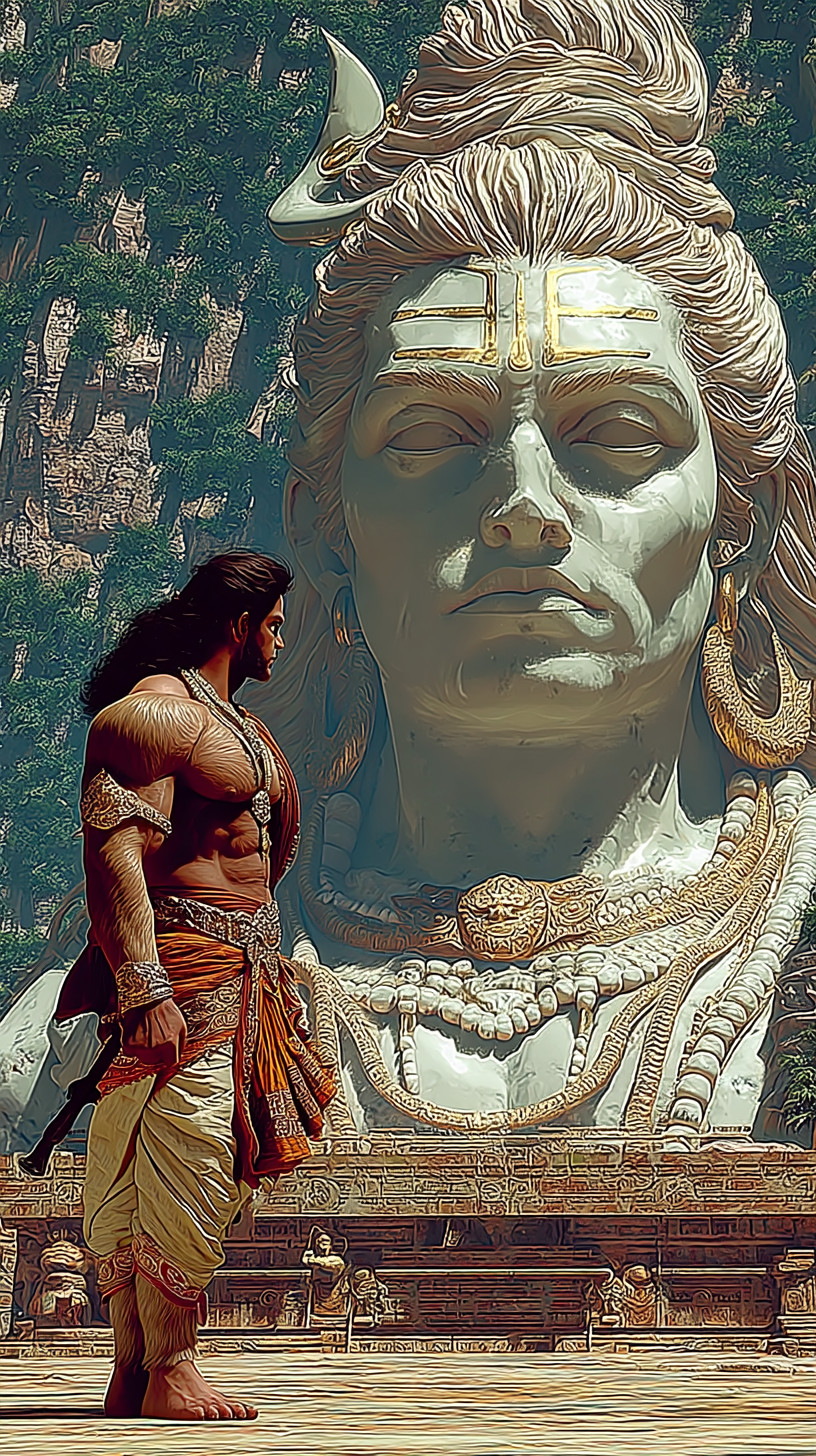
A complete pilgrim record drawn from the existing published article data.

Historical Foundation: A Monument Born of Devotion
Vision and Development
Key Milestones in the Murugan Statue's History
Construction Milestones
"The statue is a living symbol of the deep spiritual roots connecting the Tamil diaspora and the Malaysian community, a breathtaking testament to shared devotion that transcends geographical boundaries."
Architectural Grandeur: An Icon of Engineering and Artistry
Monumental Scale and Design

Innovative Construction Techniques
"The statue is not merely stone and metal; it is the materialized spirit of Murugan, an invitation to conquer inner demons and achieve spiritual triumph through profound devotion."
Presiding Deity: Lord Murugan, The Divine Warrior
Iconography and Significance
Lord Murugan (Kartikeya / Skanda)
Lord Murugan is a prominent Hindu deity, especially popular in South India, Sri Lanka, and among the Tamil diaspora worldwide. He is the son of Shiva and Parvati, and the younger brother of Ganesha. Known as the God of War, wisdom, and victory, he is depicted as a youthful, handsome warrior, often holding a spear (Vel) and riding a peacock. His legends emphasize his prowess in battle against demons (like Surapadman), his wisdom, and his role as a divine general. Murugan represents spiritual evolution, the conquest of inner demons, and the pursuit of divine knowledge.
The Legend of Kartikeya
The Birth of Murugan and the Vel
Goddess Parvati lovingly gathered these six infants into one, forming the six-faced (Shanmukha) child, Kartikeya. The divine weapon, the Vel, was gifted to him by his mother Parvati, specifically forged to destroy the formidable demon Surapadman. With this invincible spear, Murugan triumphed over Surapadman, restoring cosmic order and peace to the universe. This victory established him as the divine commander of the gods' army and a symbol of ultimate victory over evil.
Festival and Spiritual Significance: The Thaipusam Pilgrimage
Thaipusam: A Vibrant Expression of Faith

The Ascent to Divine Connection
Visitor Information: Planning Your Pilgrimage
Practicalities for a Meaningful Visit
Respecting Sacred Traditions
- Dress Code: As a sacred Hindu site, respectful attire is essential. Visitors should dress modestly, covering shoulders and knees. Scarves and sarongs are often available for rent at the entrance for those not adequately dressed.
- Ascent Experience: The climb involves 272 steps. Pace yourself, wear comfortable shoes, and bring water. The journey upward is considered part of the pilgrimage. Be mindful of monkeys along the steps; avoid carrying exposed food or plastic bags.
- Photography Etiquette: While photography is generally permitted, be respectful when capturing images of devotees, rituals, or within the temple interiors. Always seek permission before taking close-up photographs of individuals.
- Environmental Awareness: Help preserve the natural beauty of the caves by disposing of waste properly. Avoid disturbing the cave's ecosystem or wildlife, especially the resident monkeys.
Legacy and Inspiration: A Cross-Cultural Beacon
A Symbol of Diaspora and Devotion
Future Preservation and Outreach
 Batu Caves Murugan Statue figure 8" loading="lazy" style="width:100%;border-radius:8px;" />
Related temples: Aakkoor Thanthondreeswarar Temple | Abimukeswarar Temple
🗺 How to Reach
Hover a card to animate the journey on the map
Route to Batu Caves Murugan Statue: Journey to Malaysia's Spiritual...
Common Questions
Where is Batu Caves Murugan Statue: Journey to Malaysia's Spiritual... located?
Batu Caves Murugan Statue: Journey to Malaysia's Spiritual... is documented at Salem, Tamil Nadu.
Which deity is associated with Batu Caves Murugan Statue: Journey to Malaysia's Spiritual...?
Batu Caves Murugan Statue: Journey to Malaysia's Spiritual... is associated with Murugan.
Related Temples


A Living Covenant