



A complete pilgrim record drawn from the existing published article data.
Tracing the Ancient History of Bagalamukhi Temple
The Bagalamukhi Temple in Bankhandi, dedicated to Goddess Bagalamukhi, boasts a history deeply rooted in Himachal Pradesh's spiritual landscape. Its ancient origins, though not precisely dated, mark it as a long-standing sacred site.
Foundation and Early Development
Local traditions and its North Indian (Pahari) architectural style suggest establishment centuries ago. The temple has seen various renovations, evolving to its current form while maintaining its spiritual integrity.
Enduring Legacy
As a vital center of devotion, its historical and cultural significance is recognized. Himachal Pradesh has designated it a State Protected heritage site, ensuring its preservation.
The Distinctive Architecture of Bagalamukhi Temple
The Bagalamukhi Temple in Bankhandi exemplifies the North Indian (Pahari) architectural style, which is well-adapted to the Himalayan region's climate and topography. This distinctive style is characterized by its multi-tiered, sloped roofs, often constructed from slate or wood, designed to shed heavy snowfall and rain. The temple's structure typically integrates local materials, primarily stone and deodar wood, known for its durability and resistance. Intricate carvings adorn the wooden elements, depicting mythological figures, floral motifs, and geometric patterns, reflecting the rich artistic traditions of Himachal Pradesh. The overall design prioritizes both structural integrity and aesthetic harmony, creating a sacred space that resonates with its natural surroundings and traditional Hindu iconography.
Pahari Style Characteristics
The temple's architecture is a prime example of the indigenous Pahari style prevalent in the Western Himalayas. Key features include its distinctive multi-tiered, gabled roofs, often covered with local slate, and a compact, often square, ground plan. This design is not only aesthetically pleasing but also functional, effectively managing the region's harsh weather conditions, particularly heavy monsoon rains and winter snow.
Materials and Craftsmanship
Construction predominantly utilizes locally sourced stone for the foundation and walls, combined with deodar wood for structural elements, doors, and decorative carvings. The wood carvings are a hallmark of Pahari temples, showcasing skilled artistry through detailed depictions of deities, mythical creatures, and intricate geometric patterns that add to the temple's visual richness.
Symbolic Design Elements
The temple's layout and ornamentation often incorporate symbolic meanings rooted in Hindu cosmology. The spire (shikhara) or tiered roof ascends towards the heavens, representing the cosmic mountain Meru. The intricate carvings and iconography serve not only as decoration but also as visual narratives of religious stories and philosophical concepts, guiding devotees through the sacred space.
Goddess Bagalamukhi: Mythology and Worship at Bankhandi
Goddess Bagalamukhi, the eighth Dasa Mahavidya, embodies the power to paralyze enemies' speech and actions. Emerging from a yellow lake to quell a cosmic storm, she restored divine order by silencing malevolent forces. Her name reflects her ability to control the tongue, and her golden hue and turmeric association are iconic. Devotees seek her blessings for victory and protection at Bankhandi.
Worship at Bankhandi
At Bankhandi, worship focuses on invoking Bagalamukhi's Stambhan (paralysis) power. Rituals include specific mantras and turmeric offerings, performed to secure success in disputes, overcome obstacles, and gain protection from adversaries.
Planning Your Pilgrimage: Essential Guide to Bagalamukhi Temple
Visiting the revered Bagalamukhi Temple in Bankhandi, Himachal Pradesh, requires thoughtful preparation to ensure a fulfilling spiritual experience. This guide provides practical information for pilgrims and visitors, covering essential aspects from travel logistics to local customs. Plan your journey to this significant Shakti Peeth with these helpful tips.
Getting There
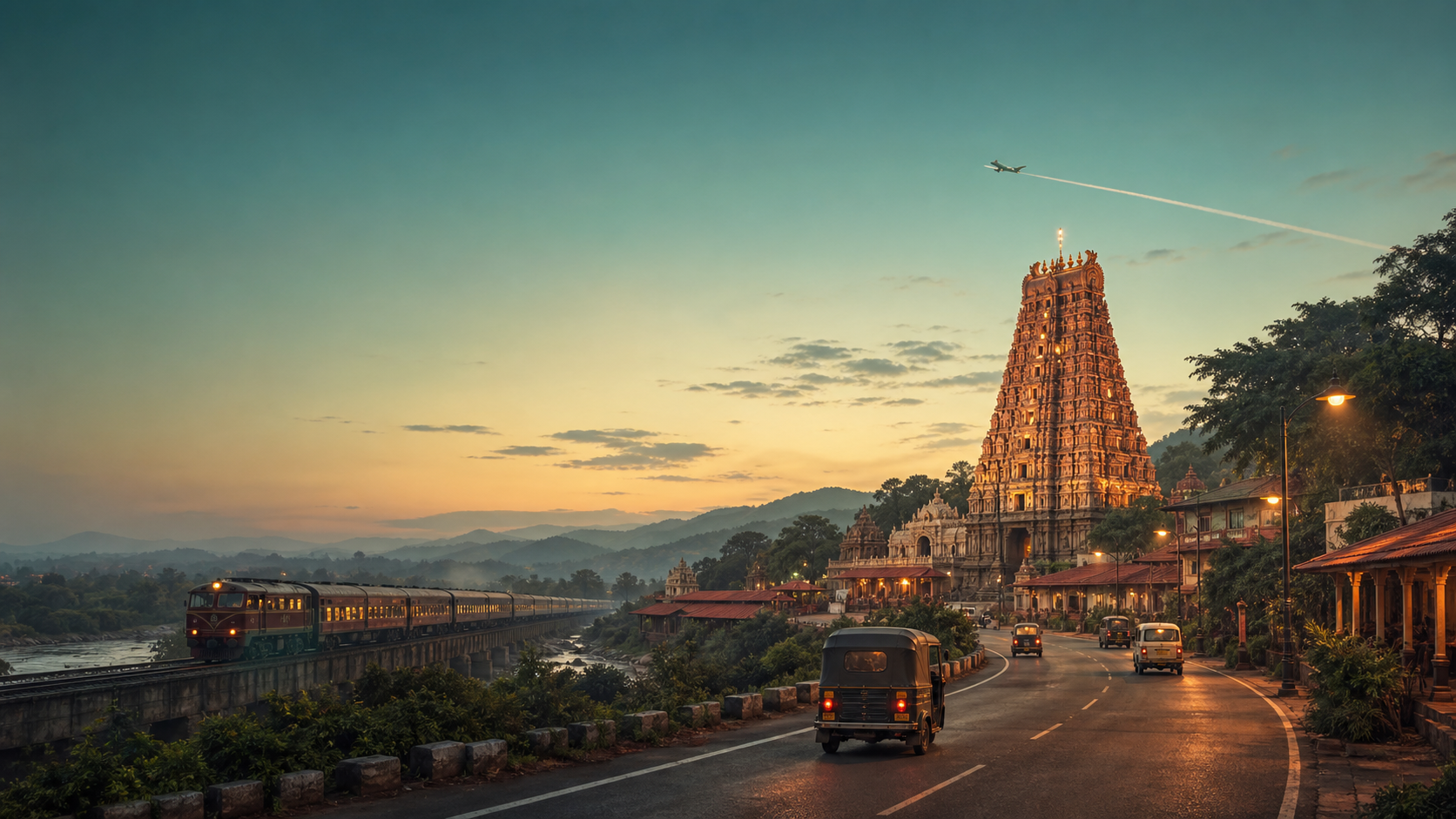
The temple is accessible by road from major towns. The nearest airport is Gaggal Airport (Kangra), approximately 30 kilometers away. Pathankot serves as the closest major railway station, roughly 80 kilometers from Bankhandi. Taxis and local buses are readily available from these transit points to reach the temple.
Best Time to Visit & Etiquette
The ideal seasons for visiting are spring (March to May) and autumn (September to November) when the weather is pleasant. Avoid the monsoon months (July-August) due to heavy rainfall and extreme winter. Visitors are requested to dress modestly, maintain silence, and respect local customs and temple traditions during their visit.
Local Amenities
Basic accommodation options, including guesthouses and dharamshalas, are available near the temple premises. Several local eateries offer simple, vegetarian meals. It is advisable to carry essential personal items as extensive shopping facilities might be limited in the immediate vicinity.
| Deity | Bagalamukhi |
|---|---|
| Significance | Revered as the presiding deity of one of only three historically significant Bagalamukhi temples in India. |
The Golden Goddess Who Silenced Chaos
In an age of profound distress, a powerful demon unleashed a devastating storm, threatening to engulf the entire cosmos. The gods, overwhelmed and despairing, turned to Lord Vishnu for salvation. He guided them to the sacred Haridra Sarovar, a golden lake of immense power. From its shimmering depths, the resplendent Goddess Bagalamukhi emerged, radiating a fierce, golden light. Wielding her mighty mace, she confronted the demon, instantly paralyzing his speech and rendering him utterly powerless. The storm ceased, and cosmic order was restored. This temple in Bankhandi is believed to be the very site of her divine manifestation, where she continues to bestow victory, silence adversaries, and protect her devotees from all harm.
A rare spiritual gem, the Bagalamukhi Temple in Bankhandi is one of just three historically significant temples in India dedicated to the formidable Goddess Bagalamukhi.
Among the rare and revered, Bagalamukhi Temple stands as one of just three historically significant shrines dedicated to the goddess in all of India.
Related temples: Basgo Monastery | Chaurasi Temple Bharmour
Bagalamukhi Temple, Bankhandi: A Seat of Divine Power
The Bagalamukhi Temple in Bankhandi, Himachal Pradesh, stands as one of India's most revered shrines dedicated to Goddess Bagalamukhi, the eighth of the ten Mahavidyas, or great wisdom goddesses. This sacred site is widely recognized for its profound spiritual energy and is considered a pivotal center for devotees seeking protection, victory over adversaries, and the suppression of negative forces. Its unique position among Bagalamukhi temples underscores its importance within the spiritual landscape of the Himalayan region, drawing pilgrims from across the nation.
Primary Shrine of Bagalamukhi
Among the various temples dedicated to Goddess Bagalamukhi, the Bankhandi temple holds a distinguished status. It is believed to be one of the most potent and ancient sites where the goddess is invoked, making it a focal point for the practice of Bagalamukhi sadhana and rituals.
Spiritual Significance in Himachal Pradesh
Within Himachal Pradesh, the temple is a cornerstone of spiritual life, representing a powerful divine presence. Its historical and religious importance contributes significantly to the state's rich tapestry of sacred sites, attracting devotees seeking blessings and spiritual solace.
Modern Pilgrimage
The Bagalamukhi Temple in Bankhandi has significantly evolved to accommodate the increasing influx of modern pilgrims, blending its ancient spiritual heritage with contemporary conveniences. While retaining its profound sanctity, the temple complex now boasts improved infrastructure, including enhanced road connectivity, ample parking facilities, and a range of accommodation options from traditional dharamshalas to nearby guesthouses. These developments have made the temple more accessible to devotees from across India and even international visitors, transforming the journey from a challenging expedition into a relatively comfortable spiritual sojourn. Efforts have also been made to ensure basic amenities like clean drinking water, sanitation facilities, and designated areas for offerings, enhancing the overall pilgrimage experience for the thousands who visit annually, particularly during auspicious periods. Contemporary pilgrims visiting Bagalamukhi Temple often come seeking solutions to complex legal disputes, protection from adversaries, or success in competitive endeavors, reflecting the goddess's unique power to neutralize opposition. Devotees participate in specific rituals such as 'Bagalamukhi Homa' (fire ritual) or 'Pitambara Devi Puja' (worship of the yellow-clad goddess), which are meticulously performed by resident priests according to traditional Vedic rites. The atmosphere during these ceremonies is intensely devotional, as pilgrims offer fervent prayers and oblations, believing deeply in the immediate efficacy of the goddess's blessings. The temple serves not merely as a place of worship but also as a vibrant spiritual hub, fostering a strong sense of community among devotees who share a common faith in the potent energy of Maa Bagalamukhi.🗺 How to Reach
Hover a card to animate the journey on the map
Route to Seera Da Baroh
Common Questions
Where is Bagalamukhi Temple Bankhandi: Tantric Mahavidya Powerhouse located?
Bagalamukhi Temple Bankhandi: Tantric Mahavidya Powerhouse is documented at Kangra, Himachal Pradesh.
Which deity is associated with Bagalamukhi Temple Bankhandi: Tantric Mahavidya Powerhouse?
Bagalamukhi Temple Bankhandi: Tantric Mahavidya Powerhouse is associated with the Hindu goddess Bagalamukhi.
Related Temples

A Living Covenant