A complete pilgrim record drawn from the existing published article data.
The Ancient Roots: History and Context
Historical Foundation and Dating
The temple stands as a silent witness to the cultural synthesis that defines the history of Tamil Nadu, echoing devotion across centuries.
Architectural Bridge to the Himalayas
A Spiritual Nexus in Tamil Nadu
The Divine Ensemble: Architecture and Iconography
Architectural Splendor and Craftsmanship
The Presiding Deities: Vishnu and Nara-Narayana
Lord Vishnu (Badri Narayanan)
As the preserver of the universe, Lord Vishnu is one of the most significant deities in the Hindu pantheon. At the Badri Narayanan temple, he is worshipped in a tranquil, meditative posture, embodying cosmic peace and spiritual contemplation. This form, known as Badri Narayanan, is particularly revered for its ability to grant devotees inner calm and guide them on their spiritual journey. His presence signifies order, protection, and the ultimate truth.
A Pantheon of Companions: Lakshmi, Garuda, Anjaneya, and Ganesha
Lord Ganesha
Lord Ganesha, the elephant-headed son of Shiva and Parvati, holds a revered place in the Hindu pantheon as the Vighnaharta, the remover of obstacles. His presence at the Badri Narayanan temple signifies auspiciousness and new beginnings, and devotees often offer prayers to him first to ensure the smooth completion of any endeavor. Ganesha symbolizes wisdom, intellect, and prosperity, making him a beloved deity whose blessings are sought universally.
The intricate iconography within the temple narrates timeless sagas, where every deity stands as a pillar of cosmic order and a source of divine grace.
Legends Woven in Stone: The Myth of Kallalagar
The Legend of Kallalagar's Journey
Kallalagar's Journey to Madurai
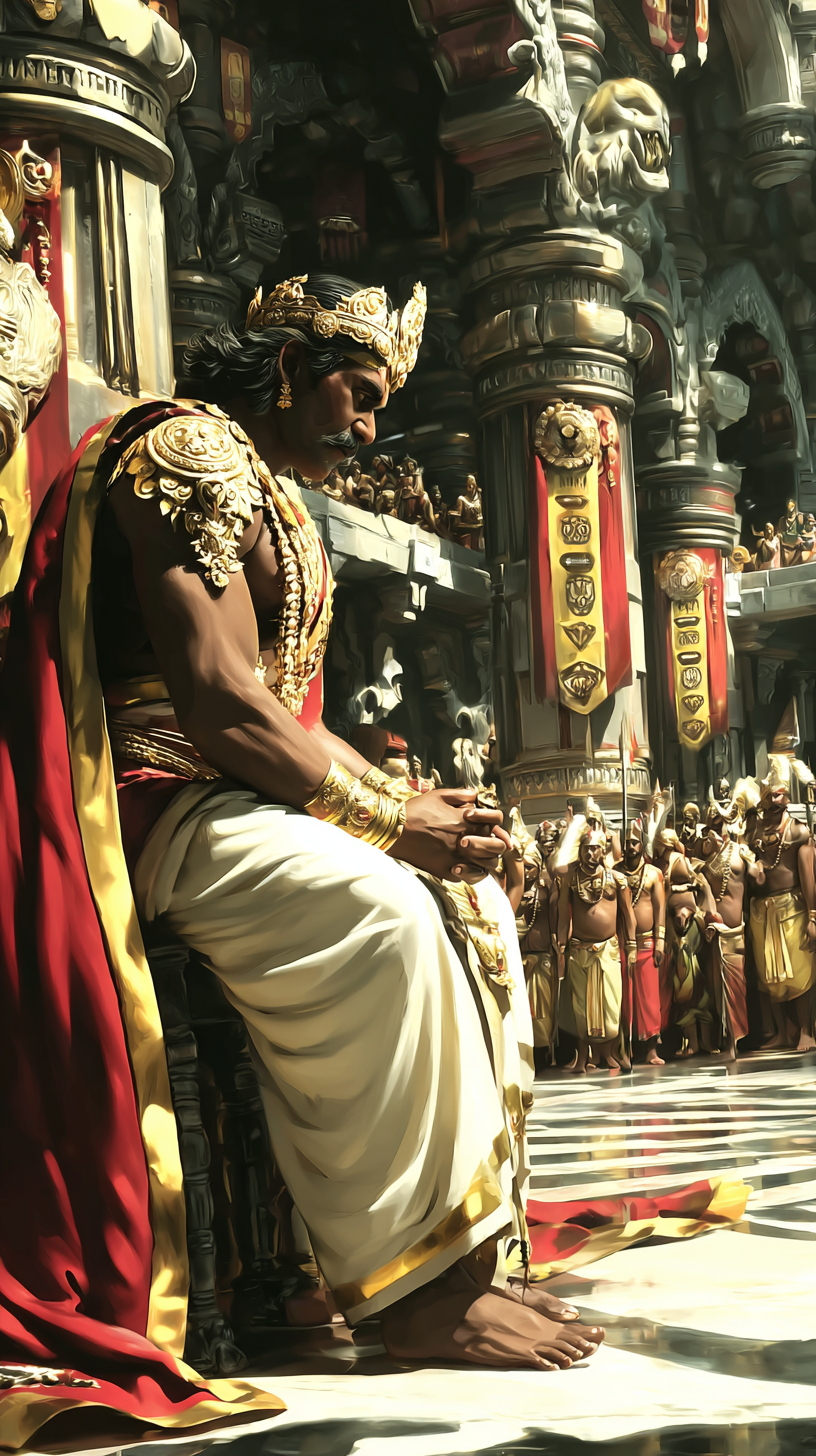
During the famed Chittirai festival, Lord Kallalagar, adorned in magnificent attire, commences his journey from Alagar Koil to Madurai. His intention is to witness the celestial wedding of his sister, Meenakshi. The procession, a grand spectacle of devotion and cultural vibrancy, traverses several kilometers, with thousands of devotees cheering him on. As he approaches the Vaigai River, a crucial point in his journey, news reaches him that the wedding has already concluded. Overwhelmed by disappointment, he performs a ritual in the river and retreats, symbolizing the blend of divine grandeur and human emotions.
Symbolic Significance and Festival Connection
Rhythms of Devotion: Festivals and Rituals
Daily Worship and Community Gatherings
8th Century Foundation
Daily Pujas
Monthly Bhajans
The Grand Chittirai Festival
A Guide for the Pilgrim: Visiting the Temple
For those planning a visit to this historically and spiritually rich location, understanding the practicalities ensures a more meaningful and respectful experience. Navigating the temple complex requires a thoughtful approach, balancing the desire for exploration with the need for reverence and cultural sensitivity.
We encourage you to continue your exploration of India's sacred heritage. Discover the majestic Meenakshi Amman Temple in Madurai, a testament to Dravidian architecture, or delve into the vibrant legends surrounding Alagar Koil, intrinsically linked to the Badri Narayanan temple's own myths.


Planning Your Pilgrimage
2-4 Hours Recommended Visit
Year-round Accessibility
Essential Visitor Information
To facilitate your journey to this ancient and sacred site, here is vital information for travelers:
- Best Time to Visit: The winter months (October to March) offer pleasant weather. For a truly immersive cultural experience, consult local calendars for major festivals like the Chittirai festival in April/May, which dramatically amplifies the spiritual atmosphere.
- Temple Hours: Daily pujas are ongoing; visitors can typically enter from early morning until noon, and then again from late afternoon until evening. It is advisable to check local schedules for specific bhajan timings and any special closures.
- Attire: Dress respectfully, ensuring shoulders and knees are covered. Traditional Indian attire is welcomed but not mandatory; modest Western clothing is also acceptable.
- Atmosphere: Expect a serene blend of solemn reverence during ritual times and vibrant community activity, especially during festivals. Silence is encouraged inside the sanctum.
- Photography: Generally permitted in the outer areas, but often restricted inside the main shrine. Always check for signs or ask temple staff.
- Accessibility: The temple is accessible by road from Madurai city. Be prepared for walking and stairs within the complex.
🗺 How to Reach
Hover a card to animate the journey on the map
Route to Badri Narayanan Temple: Ancient Splendor in Madurai, Tamil Nadu
Common Questions
Where is Badri Narayanan Temple: Ancient Splendor in Madurai, Tamil Nadu located?
Badri Narayanan Temple: Ancient Splendor in Madurai, Tamil Nadu is documented at Madurai, Tamil Nadu.
Which deity is associated with Badri Narayanan Temple: Ancient Splendor in Madurai, Tamil Nadu?
Badri Narayanan Temple: Ancient Splendor in Madurai, Tamil Nadu is associated with Ganesh.
Related Temples


A Living Covenant