
A complete pilgrim record drawn from the existing published article data.

A Storied Past: Historical Foundation
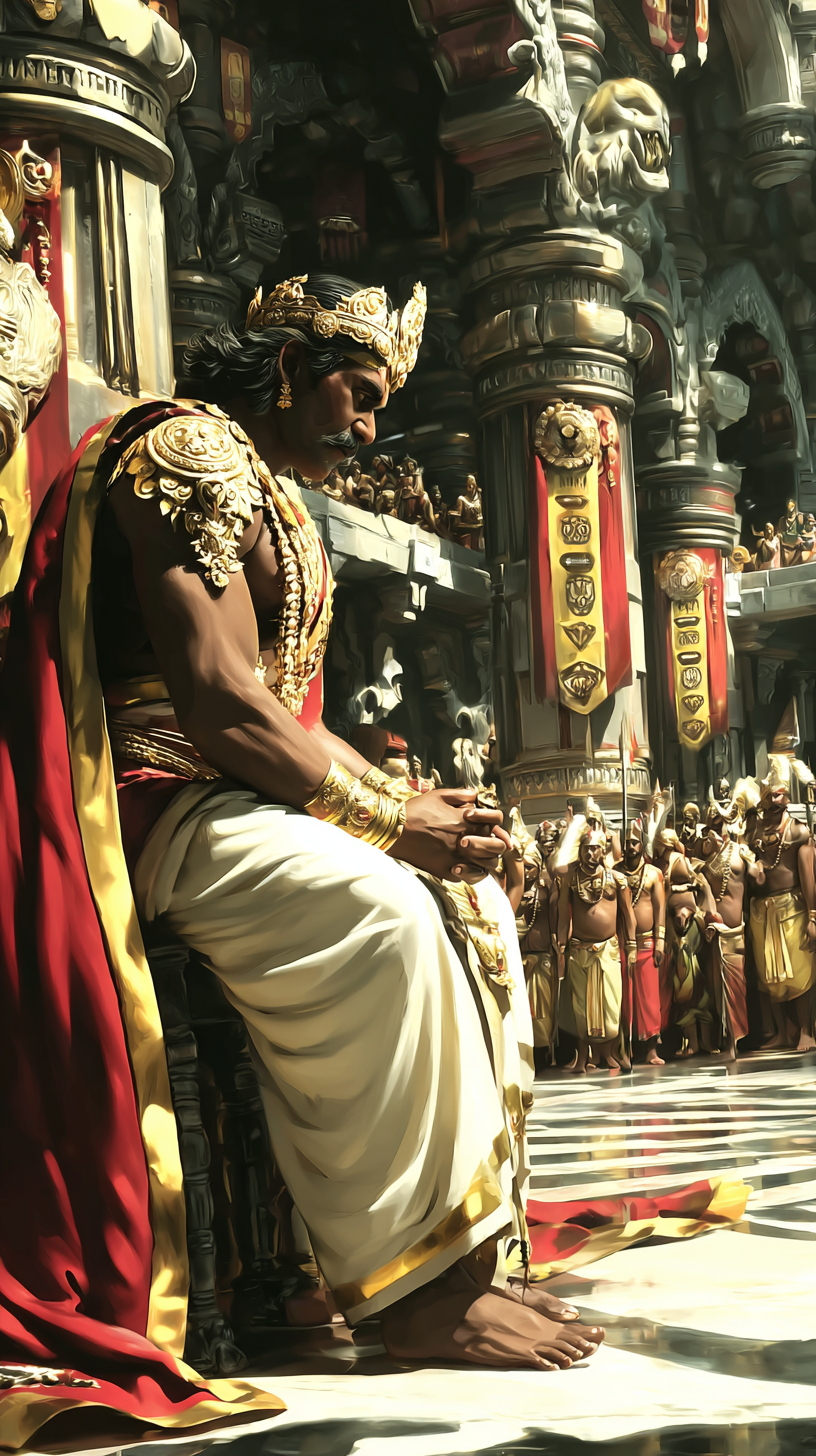
Royal Patronage and Administration
The Sage's Legacy and Temple Origins
The Ayikudi Balasubramanya Swami Temple is a living chronicle, where royal history merges smoothly with the timeless pursuit of spiritual realization and divine connection.
Architectural Evolution and Renovation
Early Structures: Nature's Embrace

Modernization and Enduring Craftsmanship
The Presiding Deity: Lord Balasubramanya
Balasubramanya: Youthful Divine Warrior
Lord Balasubramanya Swami
Lord Balasubramanya is a youthful manifestation of Murugan, the Hindu god of war, victory, wisdom, and love. As the son of Shiva and Parvati, he embodies divine energy and righteous action, often depicted with a spear (Vel) and riding a peacock. Devotees seek his blessings for courage, success, and spiritual enlightenment, recognizing him as the divine protector and bestower of prosperity.
Cosmic Symbolism: The Five Sacred Vrikshas
Each tree, or Vriksha, is consecrated to a specific deity, creating a microcosm of the divine universe within the temple complex. This symbolic representation showcases a holistic approach to spirituality, where various divine energies converge under the protective grace of Balasubramanya:
- Arasu (Surya): The Peepal tree, revered as a manifestation of the Sun God, Surya, symbolizing light, knowledge, and life-giving energy.
- Vembu (Ambhikai): The Neem tree, associated with Ambhikai, the Mother Goddess, signifying healing, protection, and nurturing maternal power.
- Kariveppilai (Mahesha): The Curry Leaf tree, linked to Mahesha (Lord Shiva), embodying transformative power, divine grace, and cosmic dissolution.
- Madhulai (Ganesha): The Pomegranate tree, connected to Lord Ganesha, representing auspicious beginnings, wisdom, and the remover of obstacles.
- Mavilangu (Vishnu): This sacred tree symbolizes Lord Vishnu, signifying preservation, cosmic order, and sustenance of the universe.

Festivals and Daily Rituals
The Grandeur of Soora Samharam

Daily Poojas and Spiritual Practices
Visiting the Temple
We encourage you to explore related spiritual journeys by visiting Kasi Vishwanathar Temple Tenkasi or explore deeper into the history of Tamil Nadu Heritage.


Planning Your Pilgrimage
Engaging with Local Traditions
Photography might be restricted in certain areas, particularly within the sanctum sanctorum, so it is advisable to inquire beforehand. Embrace the opportunity to experience the local culture, savor traditional offerings, and witness the unwavering faith that defines this remarkable spiritual haven.
Sacred Stories and Local Legends
The Discovery in the River
Mallan's Divine Find
Legend recounts the extraordinary devotion of Mallan, a dedicated follower whose steadfast prayers led to a miraculous discovery. While performing his ablutions in the nearby Mallam River, Mallan was divinely guided to an ancient idol of Lord Balasubramanya submerged beneath the waters. This sacred find marked the initial manifestation of the deity's presence in the region, inspiring the establishment of an early shrine and setting the spiritual foundation for the temple that stands today.
The Sanyasi's Sacred Abode
The Sanyasi and the Sacred Arasa Tree
The spiritual lineage of Ayikudi is deeply tied to a revered Brahmin ascetic, Mugura Bhakthar sanyasi. This holy man attained Samadhi—a state of profound meditative absorption and spiritual liberation—on the serene banks of the Hanumannathi River. To commemorate his enduring spiritual presence, an Arasa (Peepal) Tree was planted over his memorial. Subsequently, the sacred idol of Balasubramanya was installed upon this very spot, ensuring continuous worship and veneration, making the site a powerful convergence of nature, asceticism, and divine presence.
The Hanumannathi River: A Sacred Lifeline
Mythological Connections
The gentle flow of the Hanumannathi River mirrors the continuous stream of devotion that has sustained the Ayikudi Balasubramanya Swami Temple for generations, embodying a living, breathing connection to the divine.
Ecological and Spiritual Significance
🗺 How to Reach
Hover a card to animate the journey on the map
Route to Ayikudi Balasubramanya Swami Temple: Hanumannathi River Heritage
Common Questions
Where is Ayikudi Balasubramanya Swami Temple: Hanumannathi River Heritage located?
Ayikudi Balasubramanya Swami Temple: Hanumannathi River Heritage is documented at Tenkasi, Tamil Nadu.
Which deity is associated with Ayikudi Balasubramanya Swami Temple: Hanumannathi River Heritage?
Ayikudi Balasubramanya Swami Temple: Hanumannathi River Heritage is associated with Murugan.
Related Temples


A Living Covenant