A complete pilgrim record drawn from the existing published article data.
Tracing the Ancient Origins and Spiritual Evolution of Arunachala
Arunachala, an ancient hill in Tamil Nadu, holds profound spiritual significance rooted in Hindu mythology. It is revered as a manifestation of Lord Shiva, particularly as the _Jyotirlingam_ of fire.
Mythological Origins as Shiva's Manifestation
According to legend, Arunachala is where Shiva appeared as an infinite column of light to settle a dispute between Brahma and Vishnu. This event established it as a primordial _lingam_.
Evolution as a Pilgrimage Center
Over millennia, Arunachala developed into a major pilgrimage destination, attracting devotees seeking spiritual liberation. The Annamalaiyar Temple at its base is a testament to its enduring sanctity.
Ramana Maharshi's Spiritual Abode
In modern times, Arunachala became synonymous with Bhagavan Ramana Maharshi, who lived on and around the hill for over 50 years, teaching self-enquiry and attracting seekers worldwide.
Architectural Marvels: Unpacking the Design of Arunachaleswara Temple
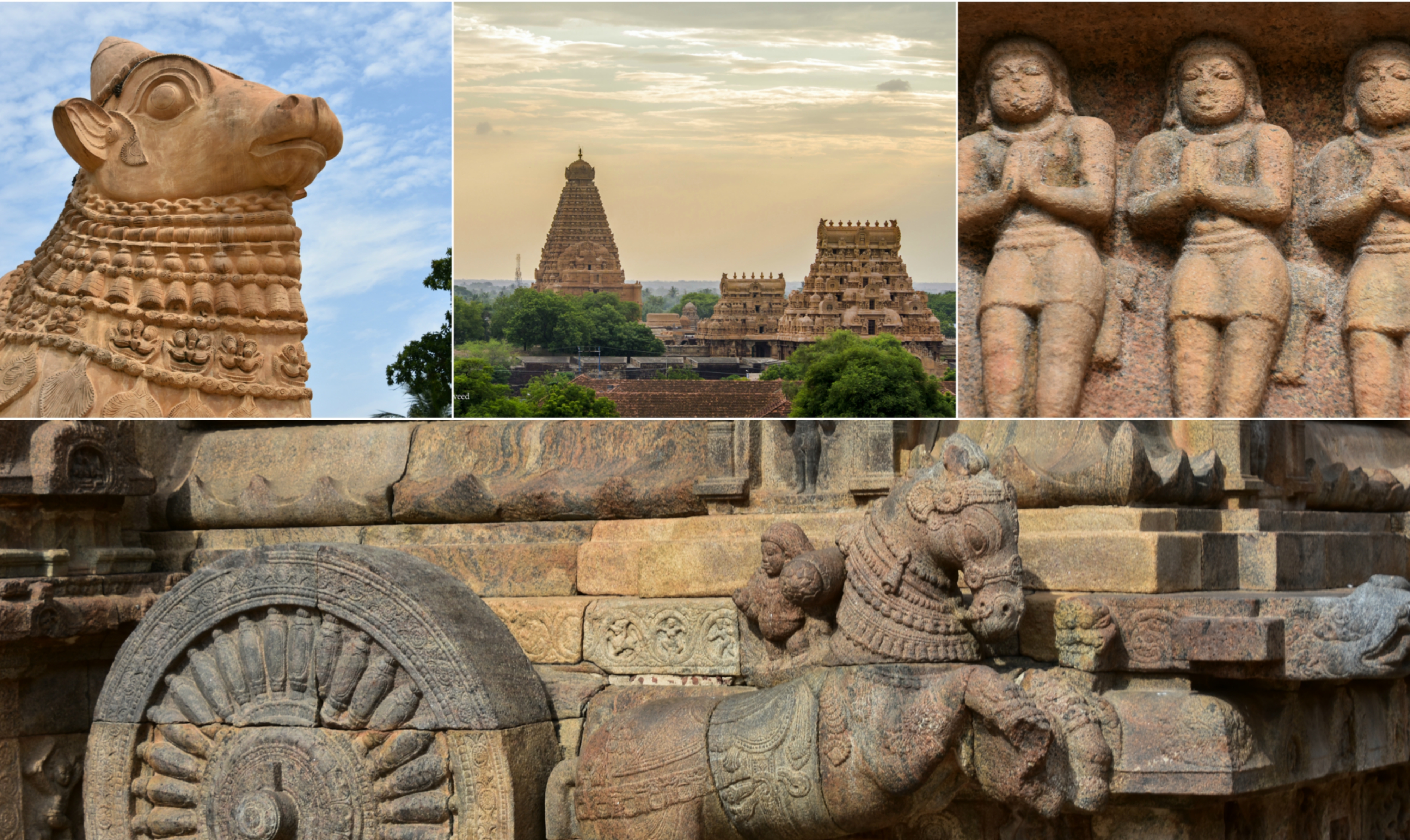
The Arunachaleswara Temple exemplifies classic Dravidian architecture, characterized by its monumental scale and intricate detailing. Its design reflects centuries of South Indian craftsmanship, featuring towering gateways, expansive courtyards, and numerous shrines that embody profound spiritual symbolism.
Towering Gopurams
The temple complex is adorned with nine gopurams, or monumental entrance towers. The tallest, the Rajagopuram, stands at approximately 66 meters, featuring multiple tiers of sculptures depicting deities and mythological scenes, a hallmark of Vijayanagara period construction.
Expansive Courtyards and Mandapams
Within its massive prakarams (courtyards), the temple houses several mandapams (pillared halls), including the thousand-pillared hall. These structures provide vast open spaces for devotees and house various subsidiary shrines, reflecting the temple's growth over centuries.
The Sacred Mountain of Arunachala: A Beacon of Spiritual Enlightenment
Arunachala, located in Tamil Nadu, is a revered sacred mountain considered a natural lingam of Lord Shiva. It stands as a profound spiritual magnet, drawing seekers worldwide to its powerful energy. The mountain is historically significant as a prominent center for self-realization.
Geological and Mythological Significance
Arunachala is believed to be the manifestation of Shiva as a column of fire, a form without beginning or end. Its ancient origins are deeply intertwined with Hindu mythology, making it a living deity.
Ramana Maharshi and Self-Realization
The mountain is inextricably linked with the sage Ramana Maharshi, who attained enlightenment here. His teachings on self-inquiry, 'Who am I?', resonate deeply with the spiritual essence of Arunachala.
A Pilgrim's Guide to Experiencing the Sacredness of Arunachala
To fully immerse yourself in Arunachala's spiritual atmosphere, understanding its key practices is essential. This guide offers practical advice on darshan, Girivalam, and local customs, preparing you for a respectful and profound pilgrimage.
Darshan and Temple Etiquette
Temple timings are 6:00 AM – 12:30 PM and 4:00 PM – 9:00 PM. Traditional attire is preferred, and footwear must be removed before entering. Maintain quiet reverence.
The Sacred Girivalam
The 14-kilometer circumambulation of Arunachala Hill is a deeply revered practice, often undertaken barefoot, especially during full moon nights. Begin early morning or late evening to avoid heat.
| Deity | Bhagavan Sri Ramana Maharshi |
|---|---|
| Form | Human spiritual master, Avadhuta |
| Consort | None (a renunciate) |
| Sampradaya | Advaita Vedanta (though he did not formally belong to a lineage, his teachings align with this philosophy) |
| Significance | A revered sage and jivanmukta (liberated being) who taught the path of Self-enquiry (Atma-vichara) and realized the Self on the sacred Arunachala mountain. |
The Call of Arunachala
At the tender age of sixteen, Venkataraman (later Ramana Maharshi) experienced a profound and spontaneous 'death experience' that led to his permanent Self-realization. This pivotal event ignited an irresistible pull towards the sacred mountain of Arunachala in Tiruvannamalai. Leaving his home and family, he journeyed to Arunachala, where he spent years in deep meditation and austerities, initially in temple vaults and caves. He remained silent for years, his radiant presence and profound peace drawing seekers from all walks of life, eventually establishing the spiritual beacon that is Sri Ramanasramam.
The only way to be rid of misery is to know the Self.
Bhagavan Sri Ramana Maharshi
Your own Self-realization is the greatest service you can render the world.
Bhagavan Sri Ramana Maharshi
Lord Shiva as Arunachaleswara and the Legacy of Ramana Maharshi
Arunachala mountain, Tamil Nadu, is revered as Lord Shiva's manifestation, Arunachaleswara. Its profound spiritual energy is deeply connected to Bhagavan Sri Ramana Maharshi, who resided at its base, attracting countless seekers.
The Fiery Lingam Mythology
Mythology states Arunachala originated as an infinite Tejolingam (column of fire) from Shiva, settling a cosmic dispute. Brahma and Vishnu, failing to find its limits, recognized Shiva's supremacy.
Ramana Maharshi's Connection
Ramana Maharshi attained self-realization on Arunachala, viewing it as his Guru and the world's spiritual heart. His self-inquiry teachings, centered on the mountain, continue legacy.
🗺 How to Reach
Hover a card to animate the journey on the map
Verified routes to Arunachala
Common Questions
Where is Arunachala: Ramana's Sacred Mountain located?
Arunachala: Ramana's Sacred Mountain is documented at Tiruvannamalai district, Tamil Nadu.
Which deity is associated with Arunachala: Ramana's Sacred Mountain?
Arunachala: Ramana's Sacred Mountain is associated with Ramana.