A complete pilgrim record drawn from the existing published article data.
A Glimpse into the Temple's Rich Historical Tapestry
The historical origins of the Arulmigu Vanchinadha Swamy Temple are ancient, though specific construction dates remain unknown. Architectural evidence suggests its foundation during the Chola period, a powerful dynasty renowned for temple building. Subsequent centuries saw patronage from various rulers, including the Nayaks, who contributed to its expansion and renovation. Inscriptions within the temple complex serve as historical records, detailing endowments and structural modifications over time. These layers of history reflect the continuous reverence and maintenance of this sacred site by different dynasties.
Ancient Origins
The temple's foundation is believed to date back to the Chola period, though precise construction dates are unrecorded.
Dynastic Patronage
Various dynasties, including the Cholas and Nayaks, contributed to the temple's construction, expansion, and renovation over centuries.
Historical Records
Inscriptions found within the temple complex provide valuable insights into its long history and the patronage it received.
Architectural Grandeur and Dravidian Craftsmanship
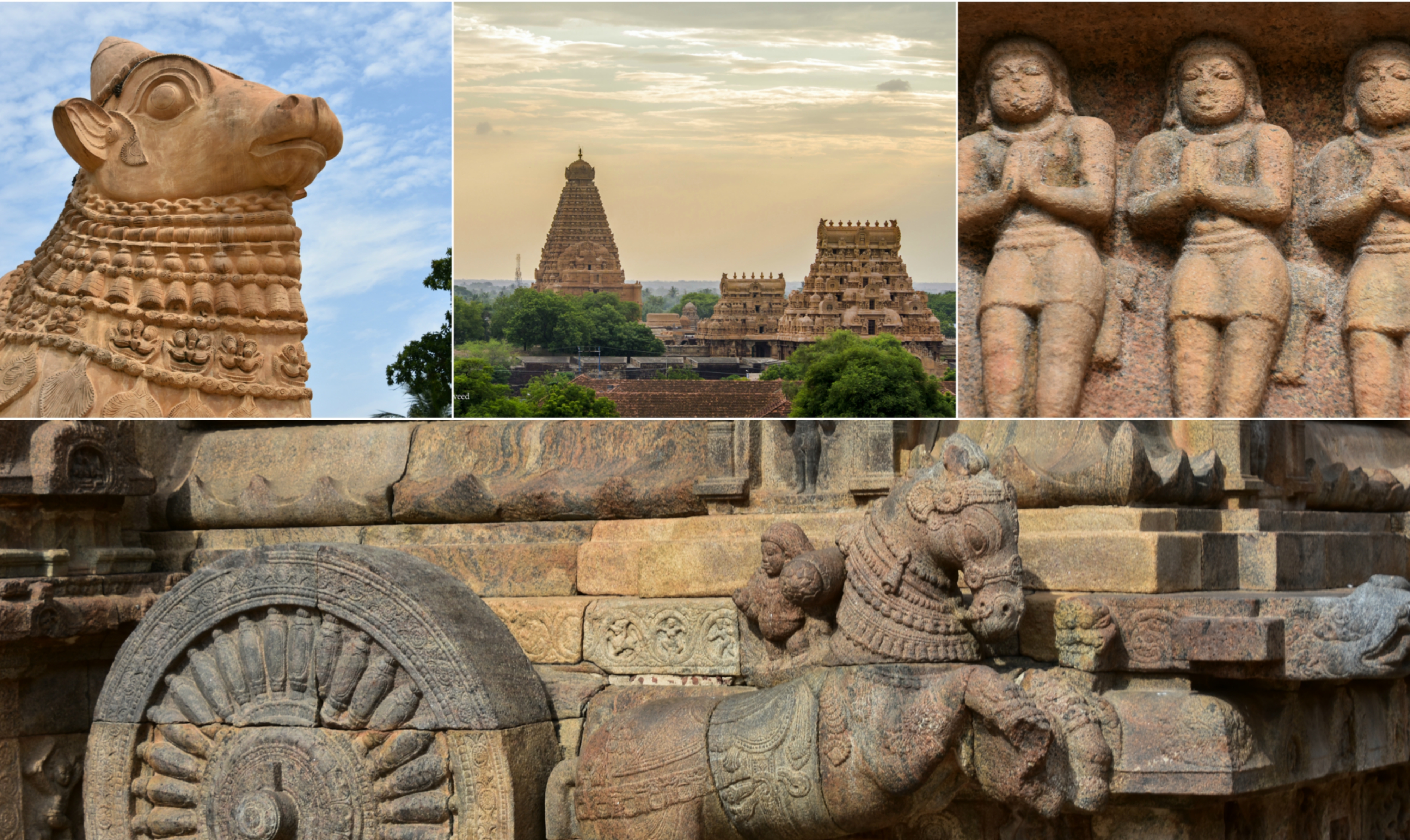
The Arulmigu Vanchinadha Swamy Temple showcases the distinctive Dravidian architectural style. Its imposing rajagopuram at the entrance is a multi-tiered tower adorned with intricate stucco figures depicting mythological scenes and deities. Inside, several mandapams (halls) feature finely carved pillars and ornate ceilings, leading to the central sanctum. The vimana (tower over the main shrine) is also richly decorated. Every surface, from walls to sculptures, reflects the exceptional craftsmanship of ancient artisans, preserving the aesthetic and religious narratives through stone and plasterwork.
Dravidian Style
The temple is a prime example of Dravidian architecture, characterized by its towering gopurams and intricate stone work.
Gopurams and Mandapams
The entrance features an imposing rajagopuram, and multiple mandapams with carved pillars lead to the main shrine.
Intricate Sculptures
The temple's walls, pillars, and vimana are adorned with detailed sculptures and stucco figures depicting mythological narratives.
The Divine Presence: Lord Shiva and Temple Mythology
Lord Shiva, as Vanchinadha Swamy, is the principal deity, accompanied by Goddess Mangalambigai. The temple is deeply embedded in Puranic lore. A prominent legend states that Yama, the God of Death, worshipped Shiva at this very spot to atone for a sin, earning Srivanchiyam the unique distinction of being the only temple where Yama is depicted as a devotee. This association makes it a significant Parihara Sthalam for dispelling fear of death and seeking longevity. Another legend suggests Shiva granted moksha to a devotee named Vanchinathan here.
Presiding Deities
The main deities are Lord Shiva as Vanchinadha Swamy and his consort, Goddess Mangalambigai.
Lord Yama's Penance
A unique legend describes Lord Yama worshipping Shiva here to absolve himself of a curse, making Srivanchiyam a special site.
Mythological Significance
The temple is considered a Parihara Sthalam for overcoming fear of death and is associated with Shiva granting liberation to devotees.
Planning Your Spiritual Journey: A Visitor's Guide
The Arulmigu Vanchinadha Swamy Temple is open from 6:00 AM to 12:30 PM and 4:00 PM to 9:00 PM. Entry is free. The ideal time to visit is between October and March for pleasant weather. Traditional attire is encouraged, and footwear must be removed before entering the temple premises. The temple is accessible by bus from Perambalur (approx. 25 km) and by train via Ariyalur (approx. 45 km). Plan for a visit duration of 1-2 hours to fully experience the temple's spiritual ambiance and rituals.
Temple Timings and Entry
The temple is open from 6:00 AM to 12:30 PM and 4:00 PM to 9:00 PM, with free entry for all visitors.
Best Time and Dress Code
The best time to visit is from October to March. Traditional attire is preferred, and footwear removal is mandatory.
Accessibility and Duration
Accessible by bus and train, the temple requires 1-2 hours for a complete visit and offers parking facilities.
| Deity | Shiva |
|---|---|
| Form | Shiva is often depicted as a yogi, adorned with a crescent moon, a third eye, and a serpent around his neck, holding a trident and a damaru. His form can also be as Nataraja, the cosmic dancer, or Lingam, an aniconic representation. |
| Consort | Parvati |
| Sampradaya | Shaivism |
| Significance | Shiva is one of the principal deities of Hinduism, known as the Destroyer and Transformer within the Trimurti. He represents creation, preservation, and destruction, and is revered as the supreme being in Shaivism. |
No Specific Mythological Story Available
No specific mythological story or legend associated with this temple is available in the provided information.
In the presence of Shiva, one finds both destruction and creation, a timeless cycle of existence and renewal.
A visit to a sacred space offers a moment of peace, connecting the devotee to the divine.
Related temples: Aakkoor Thanthondreeswarar Temple | Aazhimala Shiva Temple
Introduction to Arulmigu Vanchinadha Swamy Temple, Srivanchiyam
The Arulmigu Vanchinadha Swamy Temple, located in Srivanchiyam, Thiruvarur District, Tamil Nadu, is a revered Hindu shrine dedicated to Lord Shiva, known here as Vanchinadha Swamy. This ancient temple holds significant spiritual importance as one of the prominent Shiva temples in the region. It is particularly known as a Parihara Sthalam for Rahu and Ketu, attracting devotees seeking relief from planetary afflictions and negative influences. Its rich heritage and tranquil ambiance make it a notable pilgrimage destination for those seeking divine blessings and spiritual solace in the Kaveri delta region.
Location and Significance
Situated in Srivanchiyam, Thiruvarur District, this temple is a key spiritual site in Tamil Nadu, known for its ancient heritage.
Presiding Deity
Lord Shiva is worshipped as Vanchinadha Swamy, the primary deity of this revered temple.
Parihara Sthalam Importance
The temple is renowned as a Parihara Sthalam, especially for addressing issues related to the planetary nodes Rahu and Ketu.
Restoration & Conservation
The Arulmigu Vanchinadha Swamy Temple, like many ancient architectural marvels, has undergone various phases of restoration and conservation to preserve its structural integrity and artistic heritage. Over centuries, natural elements such as weather, along with the inevitable effects of time, have taken their toll on the temple's intricate stone carvings, stucco figures, and delicate mural paintings. Efforts have been meticulously undertaken by authorities and dedicated conservationists to counteract this degradation. These projects often involve careful cleaning of sculptures, consolidation of crumbling masonry, and precise repair of damaged architectural components, ensuring that the temple’s original grandeur and the intricate details of its craftsmanship are maintained for future generations to appreciate and venerate.
Conservation work at Srivanchiyam is typically a multi-faceted endeavor, often involving the Tamil Nadu Hindu Religious and Charitable Endowments (HR&CE) Department, archaeological experts, and local community organizations deeply invested in the temple's welfare. Modern conservation techniques are employed, carefully balancing traditional craftsmanship with scientific methods to ensure minimal intervention and maximum preservation of original materials. Challenges frequently include sourcing appropriate materials that match the temple's ancient construction, addressing issues like water seepage and structural weaknesses, and protecting delicate frescoes from environmental damage. These ongoing projects are crucial for sustaining the temple's role as a living heritage site, allowing devotees, historians, and art enthusiasts alike to experience its profound historical and religious significance in an authentic and well-preserved setting.
🗺 How to Reach
Hover a card to animate the journey on the map
Verified routes to arulmiguvanchinadhaswamytemplesrivanjiyamthiruvarurdistricttamilnadu
Common Questions
Where is Srivanchiyam Vanchinadha Swamy Temple: Ancient Shiva Shrine located?
Srivanchiyam Vanchinadha Swamy Temple: Ancient Shiva Shrine is documented at Tamil Nadu.
Which deity is associated with Srivanchiyam Vanchinadha Swamy Temple: Ancient Shiva Shrine?
Srivanchiyam Vanchinadha Swamy Temple: Ancient Shiva Shrine is associated with Shiva.