A complete pilgrim record drawn from the existing published article data.
Tracing the Ancient Roots: History of Patteeswarar Temple
The history of the Arulmigu Patteeswarar Swamy Temple is deeply rooted in antiquity, with its origins tracing back to the glorious Chola period. This enduring importance is evident through the patronage it received from various subsequent dynasties, including the Vijayanagara Empire and the Nayaks. Each era contributed to its expansion and preservation, solidifying its role as a pivotal center of religious and cultural life in the region. The temple stands as a living chronicle, reflecting the shifting political landscapes while maintaining its spiritual essence and architectural integrity throughout centuries of change.
Chola Era Foundations
Historical records and inscriptions suggest that the temple's initial structure and worship practices were established during the reign of the Chola kings, indicating its ancient lineage.
Dynastic Patronage
Over time, various dynasties, including the Vijayanagara rulers and the Nayaks of Madurai, extended their patronage, contributing to the temple's growth, renovation, and artistic embellishment.
Cultural Significance Through Ages
Beyond its religious function, the temple historically served as a hub for cultural activities, education, and community gatherings, reflecting its central role in regional life.
Architectural Grandeur: The Dravidian Splendor of Perur Temple
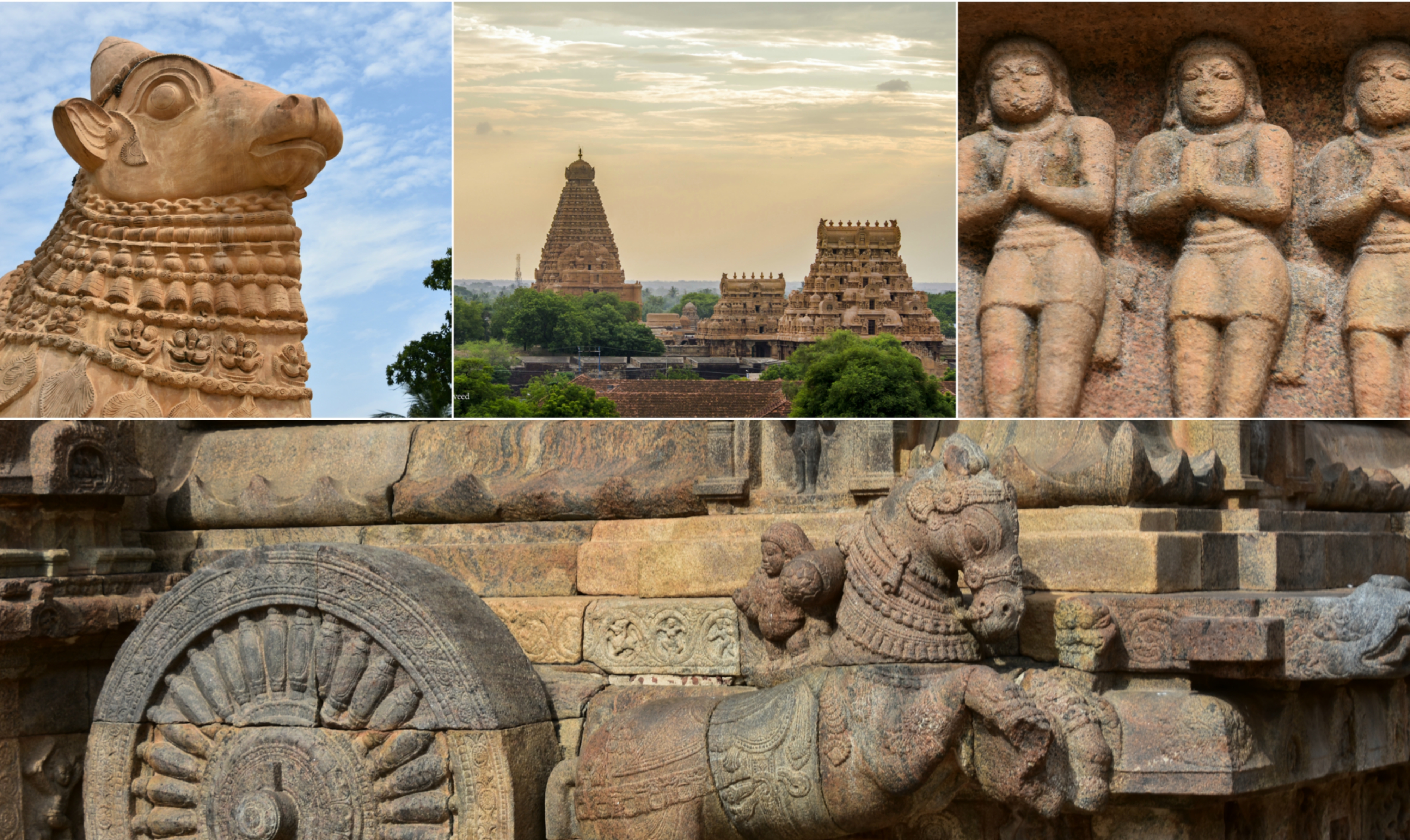
The Arulmigu Patteeswarar Swamy Temple is a magnificent exemplar of classic Dravidian architecture, characterized by its towering gopurams, expansive mandapams, and intricate sculptural elements. Every pillar and wall narrates mythological tales and showcases the exceptional artistic prowess of ancient craftsmen. The temple complex features the Kanaka Sabha, a unique golden hall, and the Pattamandapam, adorned with detailed carvings. These architectural marvels combine to create a visually stunning and spiritually immersive environment, reflecting centuries of devotion and artistic dedication.
Gopurams and Mandapams
The temple is distinguished by its majestic gopurams (gateway towers) and numerous mandapams (halls), each meticulously carved with divine figures and epic scenes.
Intricate Sculptures and Carvings
The walls, pillars, and ceilings are adorned with a profusion of intricate sculptures depicting deities, mythical creatures, and episodes from Hindu scriptures, showcasing remarkable craftsmanship.
Dravidian Architectural Features
Key elements of Dravidian style, such as the vimana (temple tower over the sanctum), prakarams (circumambulatory paths), and temple tanks, are prominently featured, contributing to its grandeur.
The Divine Presence: Lord Patteeswarar and Sacred Lore
Dedicated to Lord Shiva, the presiding deity is revered as Patteeswarar, a name deeply embedded in fascinating temple mythology. The temple's unique significance stems from the legend involving Kamadhenu, the divine cow, and her calf, Patti. According to the lore, Patti worshipped Shiva at this very spot, leading to the deity being named Patteeswarar. This sacred narrative underscores the temple's ancient origins and its profound connection to divine blessings. Devotees believe that worshipping here brings prosperity and fulfills wishes, reinforcing the temple's spiritual allure and the sanctity of its main deity.
Lord Patteeswarar: The Presiding Deity
Lord Shiva, in his form as Patteeswarar, is the central deity of the temple. He is worshipped in the form of a lingam within the sanctum sanctorum.
The Legend of Patti and Kamadhenu
The temple derives its name from the legend of Patti, the calf of divine cow Kamadhenu, who is said to have worshipped Shiva here, leading to the manifestation of the lingam.
Mythological Significance
This legend imbues the temple with a unique mythological significance, highlighting the devotion of even animals and the responsiveness of Lord Shiva to sincere prayers.
Experiencing Devotion: A Visitor's Guide to Perur Temple
Visitors to the Arulmigu Patteeswarar Swamy Temple can immerse themselves in its profound spiritual ambiance by understanding its daily rituals, vibrant festivals, and practical aspects. The temple offers a serene environment for prayer and contemplation, with specific timings for darshan and various offerings. Adhering to the suggested dress code and removing footwear before entering ensures respect for the sacred space. Planning a visit during the cooler months or major festivals like Panguni Uthiram and Arudra Darisanam provides an even more enriching and memorable pilgrimage experience, connecting visitors deeply with the temple's spiritual heart.
Temple Timings and Entry
The temple is generally open from 6:00 AM to 12:30 PM and 4:00 PM to 9:00 PM, offering ample time for devotees to seek darshan. Entry is free for all visitors.
Rituals and Offerings
Devotees can participate in various pujas and offer prayers. Specific rituals are performed throughout the day, and offerings are accepted at designated counters.
Festivals and Celebrations
Major festivals such as Panguni Uthiram, Arudra Darisanam, and Shivaratri are celebrated with great fervor, attracting large crowds and showcasing the temple's vibrant traditions.
| Deity | Shiva |
|---|---|
| Form | Shiva is often depicted in various forms, including the aniconic Lingam, or as a meditating ascetic with a third eye, crescent moon, and Ganga flowing from his hair. He is also known as Nataraja, the cosmic dancer. |
| Consort | Parvati |
| Sampradaya | Hindu |
| Significance | Shiva is one of the principal deities of Hinduism, revered as the Destroyer or Transformer within the Trimurti. He represents the cyclical nature of creation and dissolution, embodying both asceticism and fertility. |
No Specific Stories Provided
No specific mythological stories or legends associated with Arulmigu Patteeswarar Swamy Temple, Perur, Coimbatore, are provided in the available data. The temple is dedicated to Lord Shiva, a principal deity in Hinduism, known for his various manifestations and cosmic roles.
Shiva, the Destroyer, embodies both creation and dissolution, reminding us of life's eternal cycle.
In the heart of devotion, find the divine presence that transcends all forms.
Related temples: Aakkoor Thanthondreeswarar Temple | Aazhimala Shiva Temple
Arulmigu Patteeswarar Swamy Temple: A Sacred Abode in Perur
The Arulmigu Patteeswarar Swamy Temple, nestled in Perur, Coimbatore, stands as a revered ancient Hindu temple dedicated to Lord Shiva. It embodies centuries of profound spiritual heritage and showcases remarkable architectural grandeur. This sacred site serves as a vital spiritual center, drawing devotees and visitors alike to experience its tranquil ambiance and rich cultural legacy. Its historical significance and continuous worship underscore its enduring importance in the region's religious landscape, offering a glimpse into Tamil Nadu's spiritual traditions.
Location and Significance
Situated in Perur, a western suburb of Coimbatore, the temple is easily accessible and holds deep spiritual value for local communities and pilgrims.
Deity and Dedication
The primary deity worshipped here is Lord Shiva, known as Patteeswarar. The temple is a testament to the enduring devotion to Shiva in the region.
Spiritual Heritage
The temple's long history is intertwined with continuous spiritual practices, making it a repository of ancient traditions and a beacon of faith.
Cultural Impact
The Arulmigu Patteeswarar Swamy Temple has profoundly shaped the cultural landscape of Perur and the wider Coimbatore district, serving as a vibrant hub for artistic expression and community celebration. Its ancient architecture and divine narratives have inspired generations of sculptors, painters, and artisans, whose works often depict the temple's deities, mythological tales, and intricate carvings. The temple's annual festivals, particularly the Panguni Uthiram Brahmotsavam, are major cultural events that draw devotees and tourists alike, featuring elaborate processions, traditional music concerts (Nadaswaram, Thavil), Bharatanatyam performances, and religious discourses. These events not only reinforce spiritual beliefs but also provide a platform for preserving and promoting traditional Tamil arts, making the temple a living museum of cultural heritage and a focal point for local artistic talent.
Beyond its religious significance, the Patteeswarar Swamy Temple plays a crucial role in fostering community cohesion and identity. It serves as a gathering place for social interactions, family events, and collective spiritual experiences, strengthening the bonds among local residents. The temple's administration often engages in various charitable activities, supporting educational initiatives, providing food to the needy, and contributing to local welfare programs, thereby extending its influence beyond purely religious functions. Its historical presence and continuous operation have made it an integral part of Perur's social fabric, shaping local customs, traditions, and even the daily rhythms of life. The temple's timeless allure continues to attract visitors, contributing to local tourism and providing a sense of pride and belonging for the people of Coimbatore.
🗺 How to Reach
Hover a card to animate the journey on the map
Verified routes to arulmigupatteeswararswamytempleperurcoimbatoredistricttamilnadu
Common Questions
Where is Arulmigu Patteeswarar Perur: Lord Shiva's Divine Grace located?
Arulmigu Patteeswarar Perur: Lord Shiva's Divine Grace is documented at Tamil Nadu.
Which deity is associated with Arulmigu Patteeswarar Perur: Lord Shiva's Divine Grace?
Arulmigu Patteeswarar Perur: Lord Shiva's Divine Grace is associated with Shiva.