A complete pilgrim record drawn from the existing published article data.
Arulmigu Chitragupta Swamy Temple: An Ancient Shrine in Kanchipuram
The Arulmigu Chitragupta Swamy Temple in Kanchipuram, Tamil Nadu, stands as a unique and ancient Hindu pilgrimage site. Dedicated primarily to Chitragupta, the celestial accountant of Yama, it holds a distinctive spiritual identity within the region's rich temple landscape. While Lord Shiva is the main deity, the temple's focus on Chitragupta makes it a rare and significant destination for devotees seeking blessings related to karma and destiny. Its historical roots, though not fully documented, suggest a profound connection to Kanchipuram's sacred heritage, drawing pilgrims from across the state and beyond.
Kanchipuram's Sacred Landscape
Kanchipuram, known as the "City of a Thousand Temples," hosts numerous ancient shrines. The Chitragupta Swamy Temple adds to this spiritual tapestry with its unusual dedication.
Unique Devotion to Chitragupta
This temple is one of the few dedicated to Chitragupta, the deity who records the deeds of humans. This singular focus distinguishes it from most other Hindu temples.
Dual Deity Significance
Despite its name, Lord Shiva is revered as the main deity, creating a fascinating blend of worship practices and mythological narratives within its precincts.
The Art of Stone: Unveiling the Temple's Architectural Splendor
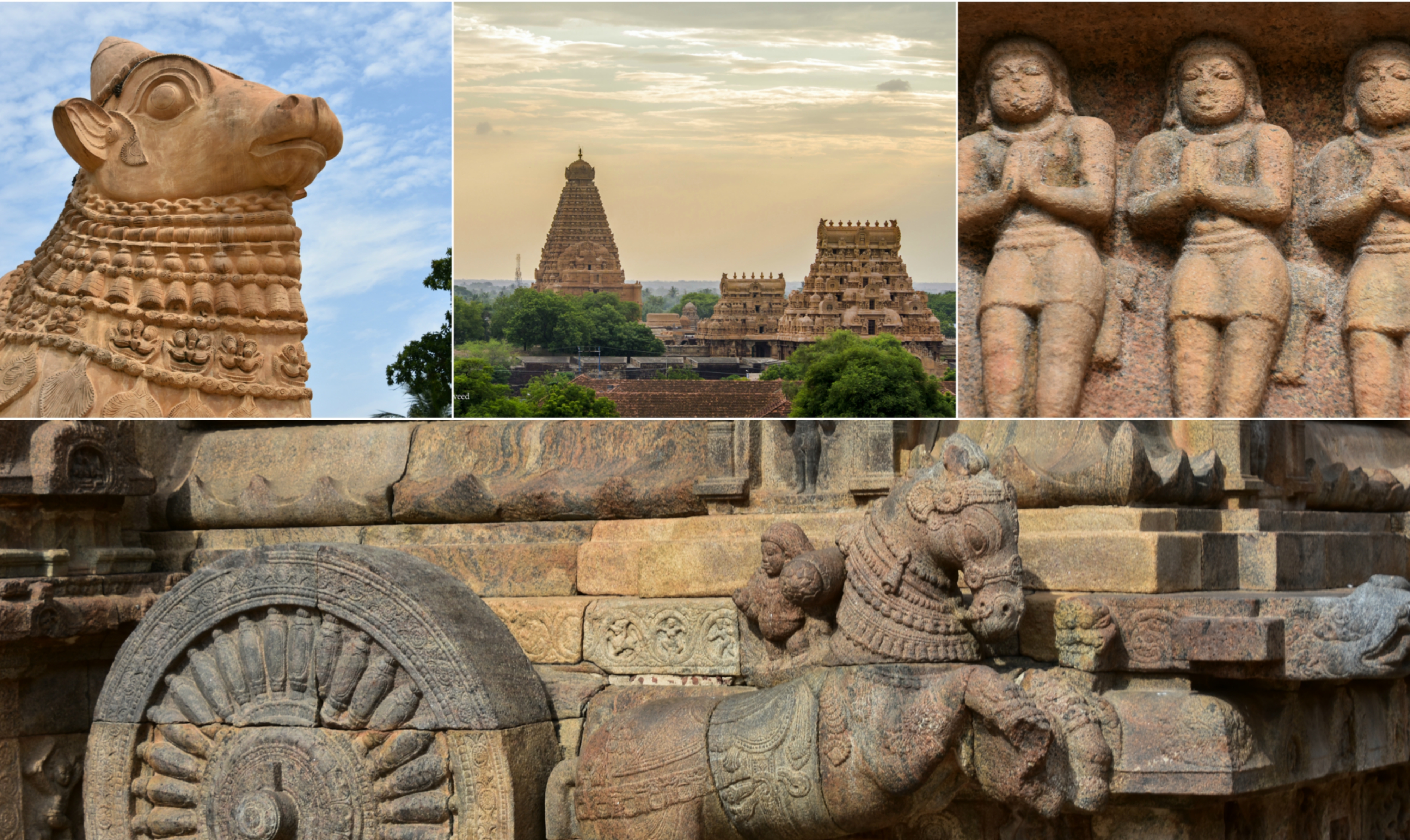
The Arulmigu Chitragupta Swamy Temple showcases characteristics typical of Dravidian architecture, a prominent style in South India. While specific details about its material and exact style are not documented, these temples are generally built using stone, featuring towering gopurams (entrance towers), mandapams (halls), and intricate carvings. The temple's design likely incorporates traditional elements such as sculpted deities, mythological figures, and decorative motifs that tell stories from Hindu scriptures, reflecting the artistic and religious fervor of its builders. Its aesthetic contributes significantly to its spiritual ambiance.
Dravidian Architectural Traits
The temple exhibits features consistent with Dravidian architecture, known for its pyramidal towers and elaborate sculptural work.
Sculptural Narratives
Intricate carvings on the temple walls and pillars likely depict various deities, celestial beings, and mythological episodes, serving as visual scriptures.
Structural Elements
Typical structural components include a central shrine, often surrounded by circumambulatory paths, and potentially smaller shrines for other deities.
Divine Narratives: Chitragupta, Shiva, and Temple Mythology
The Arulmigu Chitragupta Swamy Temple is unique for its primary dedication to Chitragupta, the divine record-keeper who notes the good and bad deeds of all beings. This makes it a rare shrine where devotees pray for righteous karma and a favorable judgment in the afterlife. Concurrently, Lord Shiva is revered as the main deity, a common practice in many South Indian temples, often found in his Lingam form. This dual devotion highlights a syncretic tradition, where Chitragupta is venerated alongside the supreme aspect of Shiva, reflecting the interconnectedness of cosmic administration and divine power within Hindu mythology.
Chitragupta's Role
Chitragupta is believed to be the son of Brahma and the scribe of Yama, responsible for maintaining the celestial ledger of human actions.
Shiva's Presence
Despite the temple's name, Lord Shiva holds the position of the main deity, signifying his overarching spiritual importance and presence.
Mythological Interplay
The temple's narratives intertwine the roles of Chitragupta and Shiva, illustrating the cosmic order and the path to spiritual liberation.
A Guide for Pilgrims: Experiencing Arulmigu Chitragupta Swamy Temple
Visitors to the Arulmigu Chitragupta Swamy Temple can expect a serene and spiritually enriching experience. The temple is open from 6:00 AM to 12:30 PM and again from 4:00 PM to 9:00 PM, with free entry for all. The best time to visit is between October and March, when the weather is pleasant. Traditional attire is preferred, and footwear must be removed before entering the sacred premises. A visit typically lasts 1–2 hours. Parking is available near the temple. For those traveling by bus, local routes connect from Perambalur to Veppanthattai, while train and flight options are available via Tiruchirappalli.
Temple Timings and Entry
The temple operates during specific morning and evening hours, offering free access to all devotees and visitors.
Dress Code and Etiquette
Adhering to traditional attire and removing footwear are customary practices, ensuring respect for the sacred environment.
Travel and Accessibility
The temple is accessible by car via NH38, with public transport options including local buses, and train/flight connections through Tiruchirappalli.
| Deity | Shiva |
|---|
The Divine Accountant's Origin
A legend tells of Brahma, the creator, commanding Yama, the god of death, to keep records of human deeds. Yama complained of the impossible task. Brahma then meditated, and from his body emerged Chitragupta, born with a pen and inkpot. Brahma declared him the celestial accountant, tasked with meticulously recording every good and bad deed of all beings, ensuring justice and the correct allocation of destinies. This temple, named after him, honors his vital role in the cosmic order, reminding devotees of the inescapable law of karma.
Every deed, good or ill, is recorded in the cosmic ledger, shaping one's destiny.
In Kanchipuram's sacred embrace, find solace and reflect upon the eternal dance of creation and dissolution.
Related temples: Aakkoor Thanthondreeswarar Temple | Aazhimala Shiva Temple
Tracing the Temple's Past: From Origins to Present Day
The historical origins of the Arulmigu Chitragupta Swamy Temple remain largely unknown, reflecting its ancient yet unrecorded past. While specific details regarding its construction, founding dynasty, and initial builders are not available, its architectural style suggests a heritage rooted in the Dravidian temple-building traditions of Tamil Nadu. Over centuries, temples in this region have often undergone renovations and expansions by various local rulers and communities, ensuring their preservation and continued worship. The temple's enduring presence in Kanchipuram testifies to its sustained spiritual importance through different eras.
Early Foundations
The exact period of the temple's initial construction is not definitively known, suggesting its age predates detailed historical records.
Patronage and Evolution
Though specific dynasties are unrecorded, it is presumed that various local patrons contributed to the temple's maintenance and development over its long history.
Enduring Legacy
Despite the lack of specific historical records, the temple continues to be an active place of worship, maintaining its spiritual legacy in Kanchipuram.
Modern Pilgrimage
In the contemporary era, the Arulmigu Chitragupta Swamy Temple has embraced modern amenities to facilitate a seamless pilgrimage experience for its growing number of devotees. Kanchipuram's well-developed road network, proximity to major railway stations, and accessibility from Chennai International Airport make the temple easily reachable for both domestic and international visitors. Online platforms, including the temple's official website and numerous travel blogs, provide essential information on darshan timings, special pujas, and accommodation options, allowing pilgrims to meticulously plan their spiritual journeys. The surrounding area has also seen the development of various guest houses, restaurants, and local transport services, catering to diverse needs and budgets. This blend of traditional reverence with modern convenience ensures that the ancient spiritual practices remain vibrant and accessible to a new generation of worshippers, fostering a continuous flow of visitors seeking blessings from Lord Chitragupta. The temple's annual Brahmotsavam and other significant festivals continue to be major draws, attracting thousands of devotees who partake in the vibrant celebrations. In the digital age, these events are often promoted through social media and live-streamed, extending their reach to a global audience unable to attend in person. Beyond religious observances, the temple actively engages with the local community, often hosting cultural programs, educational workshops, and charitable initiatives that reinforce its role as a central pillar of Kanchipuram's social fabric. Modern pilgrims, ranging from devout elders seeking spiritual solace to younger generations curious about their heritage, contribute to the temple's dynamic atmosphere, ensuring its continued relevance and vitality as both a sacred site and a cultural landmark. This evolving interaction highlights the temple's adaptability and enduring appeal in a rapidly changing world.🗺 How to Reach
Hover a card to animate the journey on the map
Verified routes to arulmiguchitraguptaswamytemplekanchipuramtamilnadu
Common Questions
Where is Chitragupta Swamy Temple Kanchipuram: Keeper of Karma located?
Chitragupta Swamy Temple Kanchipuram: Keeper of Karma is documented at Tamil Nadu.
Which deity is associated with Chitragupta Swamy Temple Kanchipuram: Keeper of Karma?
Chitragupta Swamy Temple Kanchipuram: Keeper of Karma is associated with Shiva.